
Conservation tech · multiple hotspots
WhaleID
A computer vision pipeline for re-identifying individual humpback whales — built with local partners across a network of humpback hotspots.
Papers & Documents
Built with Dr. Caine Delacy and a network of local partners working across humpback whale hotspots in the Indian, Pacific, and Atlantic basins. The thesis is plain: effective protection starts with the ability to track whales as individuals, not as a population in aggregate.
The pipeline is computer vision built around an embedding model and similarity search. Re-identification reduces to a constant-time lookup against the catalog. Inputs are full-body underwater photographs — head tubercle patterns, dorsal ridges, pectoral scarring, fluke geometry, peduncle texture — not isolated fluke patches. Cross-population matches are ranked by a multiplicative fusion score and tiered into four outcomes: auto-merge, known individual, needs review, or new individual.
The pipeline runs five stages: detection (Roboflow YOLO), segmentation (SAM2 Hiera Large), orientation normalization (OpenCV PCA), multi-model feature extraction (MIEW-ID v3, MegaDescriptor-L, ALIKED + LightGlue, NeuralWhale shape and texture descriptors), and a conservative decisioning layer that prioritizes catalog integrity over false confidence. Every stage produces auditable artifacts — masks, overlays, keypoint visualizations — so an expert reviewer can see exactly how a match was made.
The architecture is meant to run locally. Field biologists, conservation NGOs, and community monitors can upload imagery, receive identifications, and contribute to a shared catalog without cloud infrastructure, proprietary tools, or outside control over the data.
The model is not the contribution. The contribution is conservation infrastructure for longitudinal study at population scale across multiple hotspots simultaneously. A co-authored paper on the methodology is expected in 2026.
By the numbers
- Body regions detected
- 6
- Networks in the model stack
- 7
- Pipeline stages
- 5
- Catalog search latency
- <1ms
Six body regions
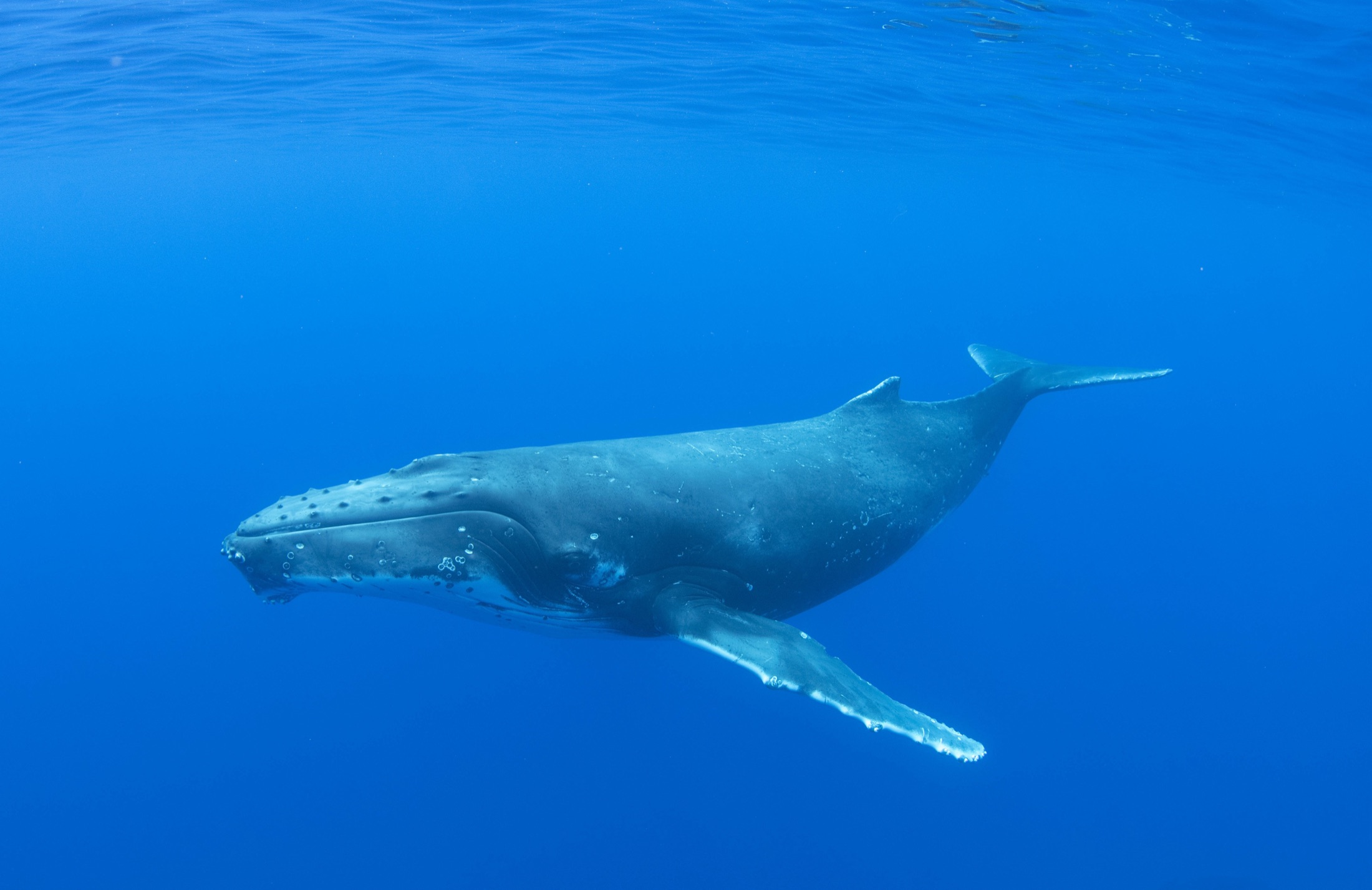
Most whale photos aren't tail shots. They're dorsal views from boats, lateral shots from shore, or head-on encounters. WhaleID extracts identity from whatever body parts are visible.
| Region | What it identifies |
|---|---|
| Head | Tubercle patterns — the bumpy nodules on the rostrum |
| Pectoral fin | Scarring, white patches, trailing-edge geometry |
| Body (lateral) | Scar patterns, pigmentation markings |
| Dorsal fin | Shape, nicks, trailing edge |
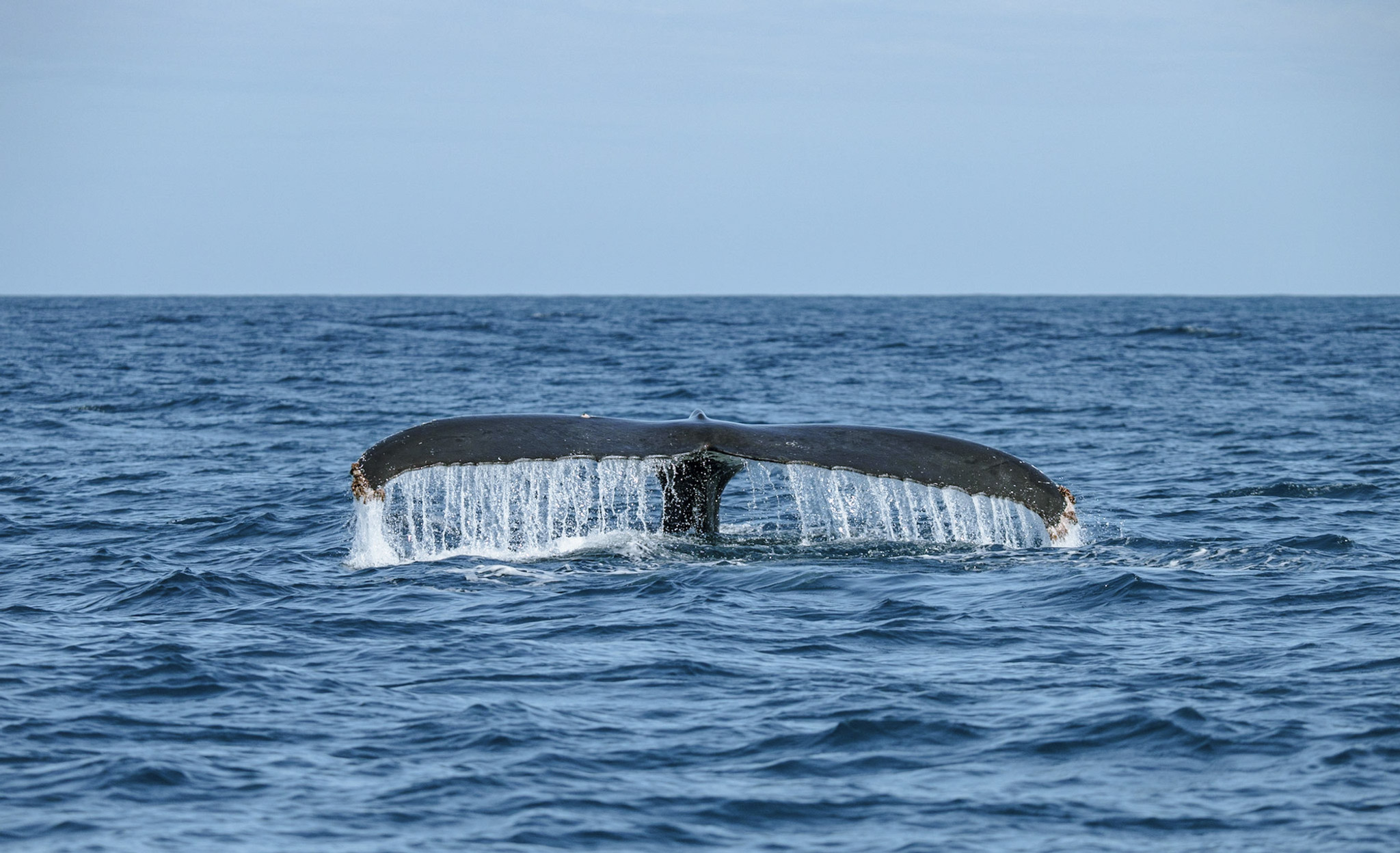
| Fluke | Trailing edges, pigmentation, distinctive notches |
| Caudal peduncle | Skin texture, scarring near the tail base |
The model stack
Detection runs first; per-region feature extractors run in parallel; multiplicative fusion produces a single identity score.
| Component | Technology |
|---|---|
| Body-part detection | Gemini 2.5 Pro · 4 regions per photo · ~20s |
| Cross-view network | DINOv2 · 768-dim |
| Identity network | MIEW-ID · 2,152-dim wildlife re-identification |
| Feature network | MegaDescriptor · 1,536-dim Swin-L |
| Custom extractors | TubercleMap · FlukeID · PectoralPattern · WhitePatch · DorsalFinprint |
| Keypoint matching | LightGlue (ALIKED descriptors) · NeuralWhale |
| Vector search | pgvector + HNSW · sub-millisecond |
| Decision | Atlas-first body-part matching with multiplicative fusion (8 tiers) |
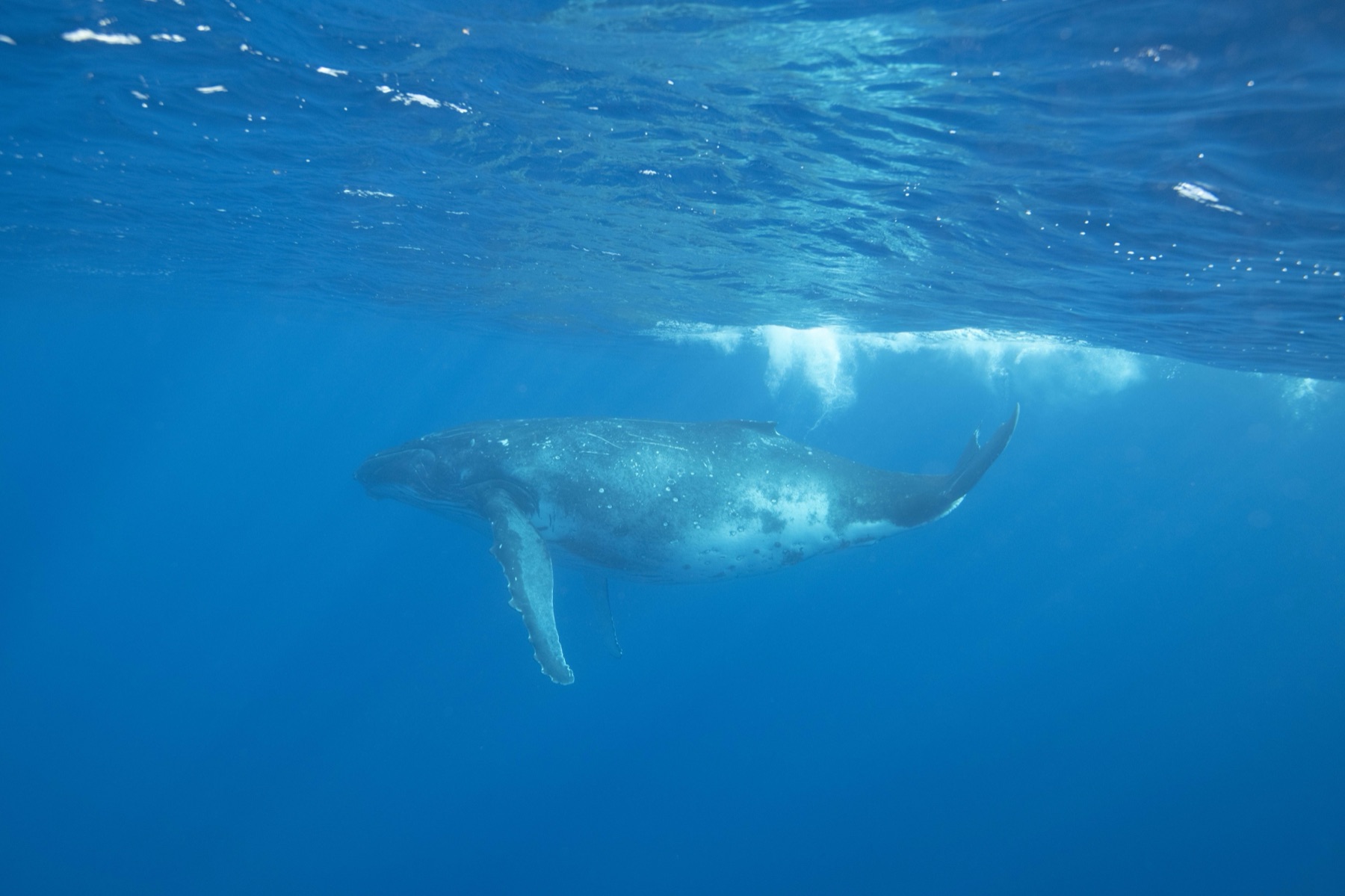
Field Photographs · 4 images
Humpback Departure
Bazaruto Archipelago, Mozambique
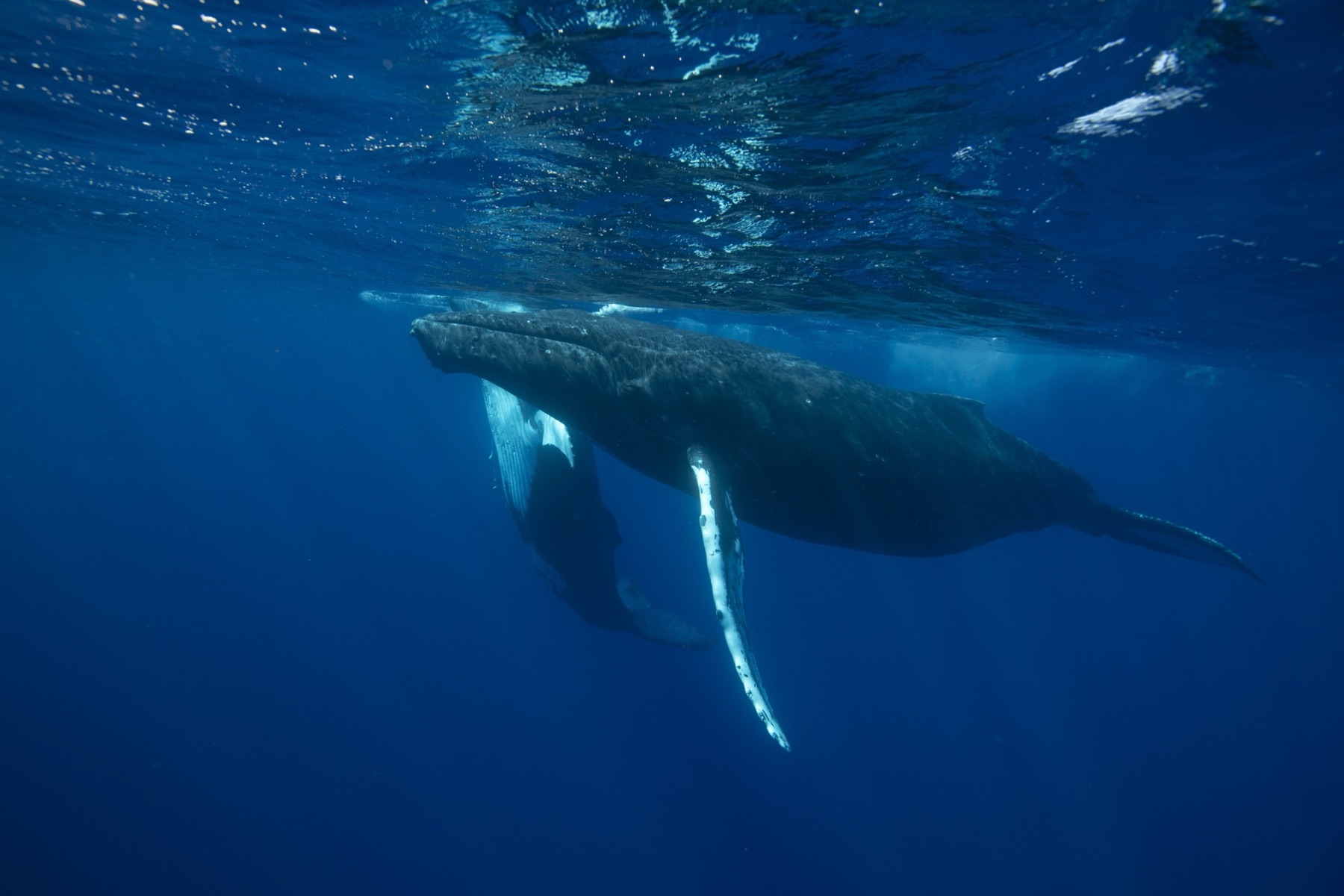 Atlas Match — W022
Re-ID atlas / verification frame
Field Capture — W004
Humpback hotspot · field capture
Atlas Match — W022
Re-ID atlas / verification frame
Field Capture — W004
Humpback hotspot · field capture
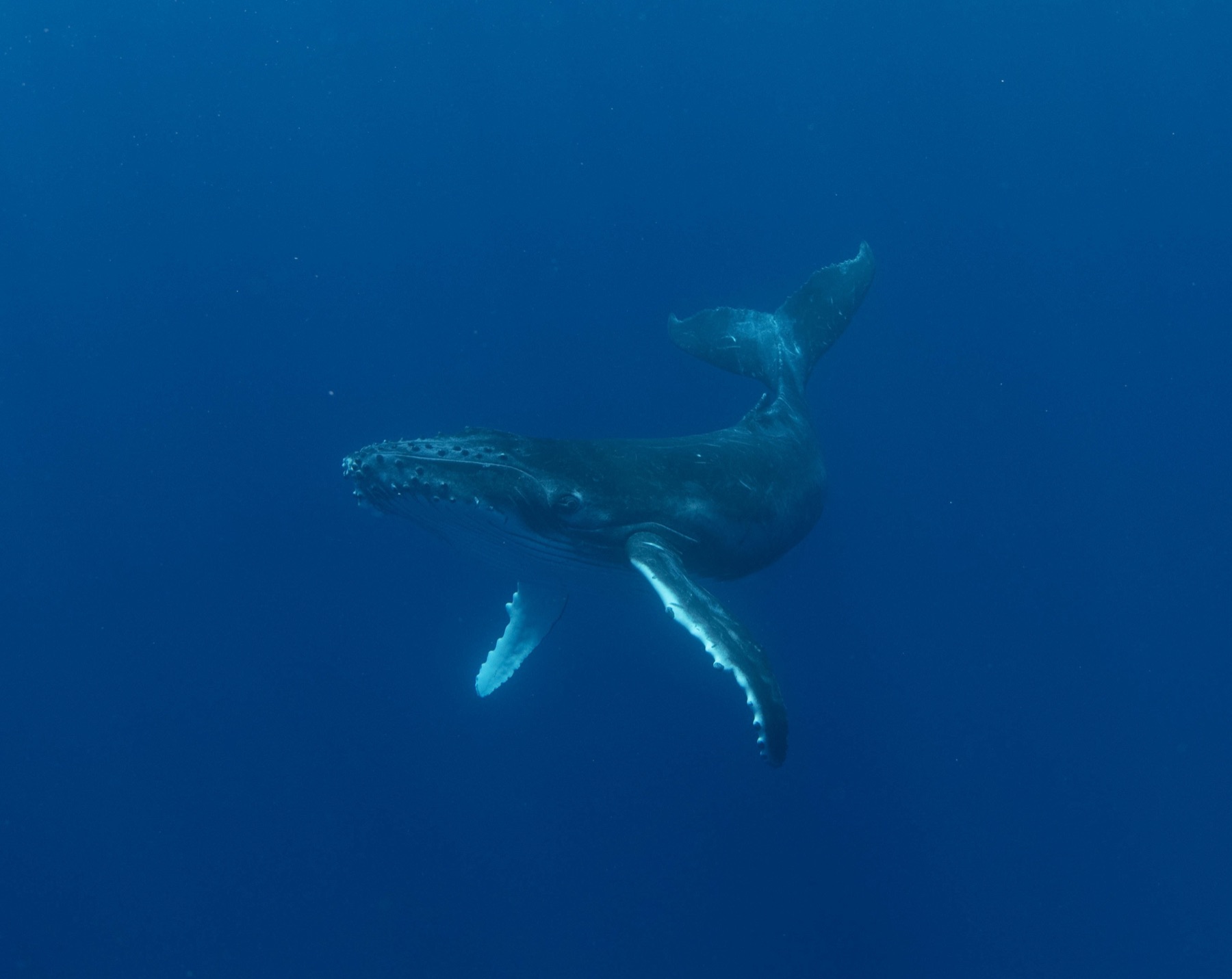 Atlas Reference — W001
Humpback hotspot · field capture
Atlas Reference — W001
Humpback hotspot · field capture
Other projects
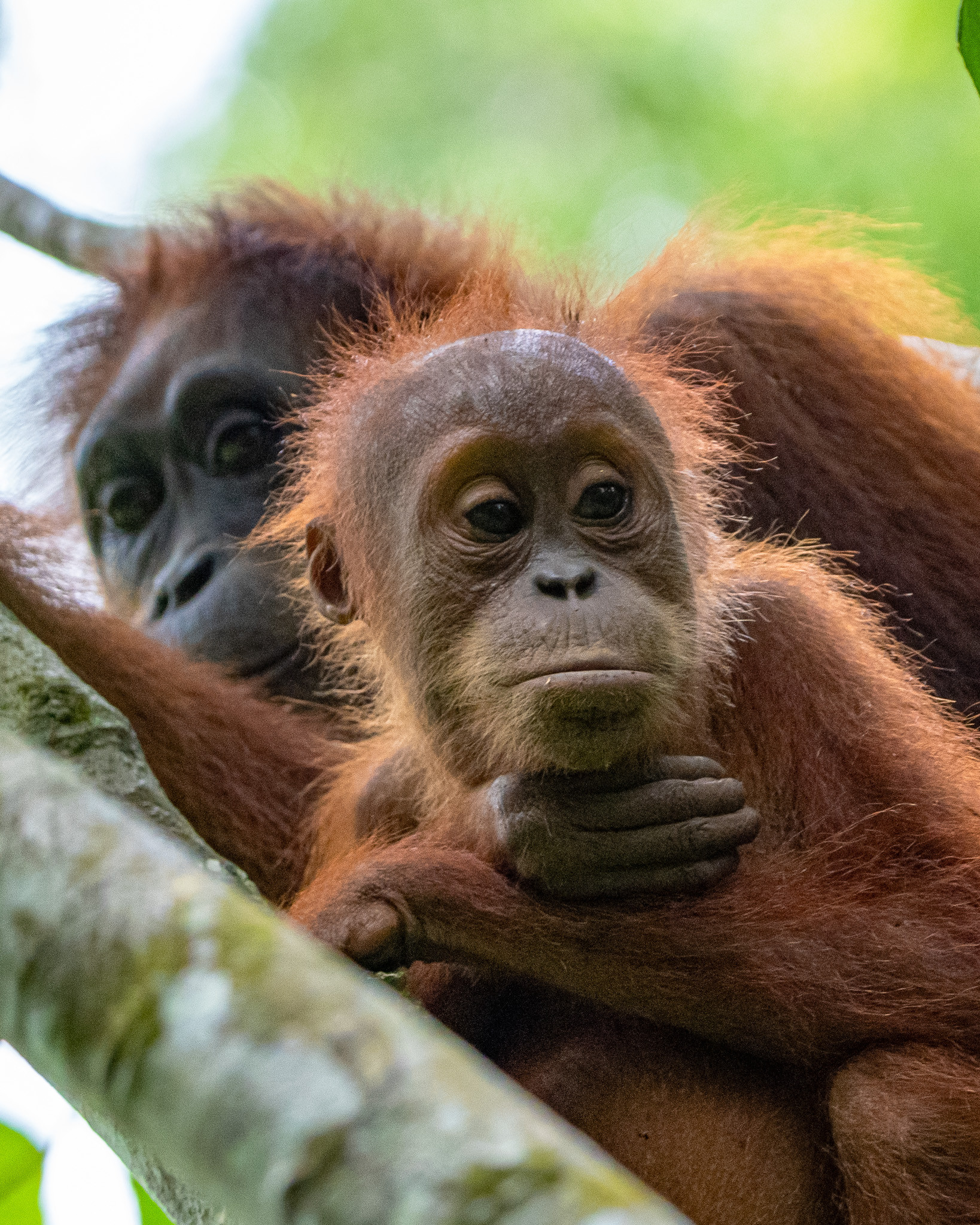
Indonesia · Sumatra
Sumatra
Protecting the last stronghold of wild tigers, rhinos, elephants, and orangutans — through community-led conservation science and regenerative economic systems.
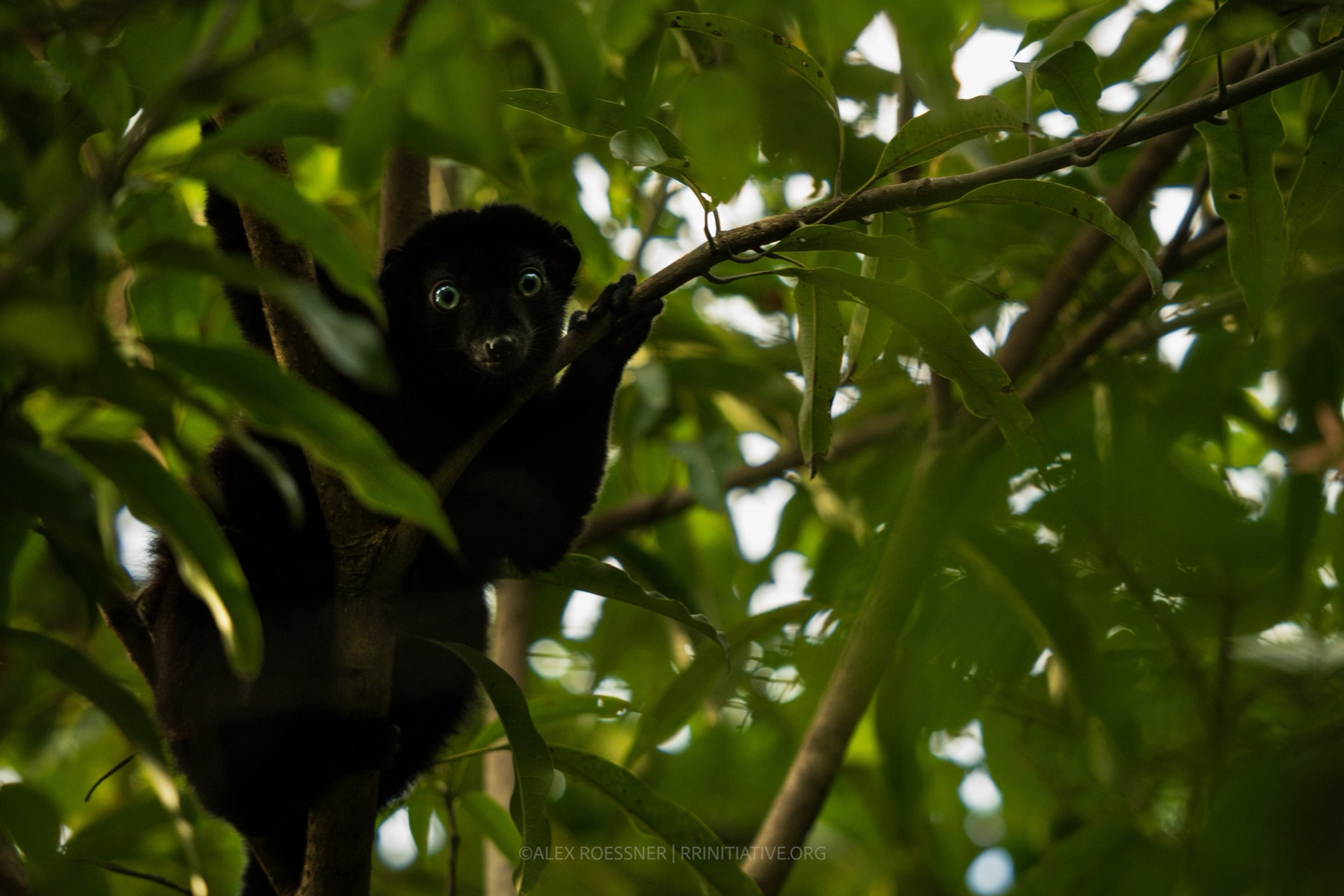
Madagascar
Madagascar
An expedition to a forgotten forest where a grassroots model is stopping deforestation — and saving a species on the brink.

Ecuador · Chocó
The Chocó
An expedition to document the wildlife of an unexplored forest on the brink of collapse.