
Madagascar
Madagascar Forgotten Forest
An expedition to a forgotten forest where a grassroots model is stopping deforestation — and saving a species on the brink.
Papers & Documents
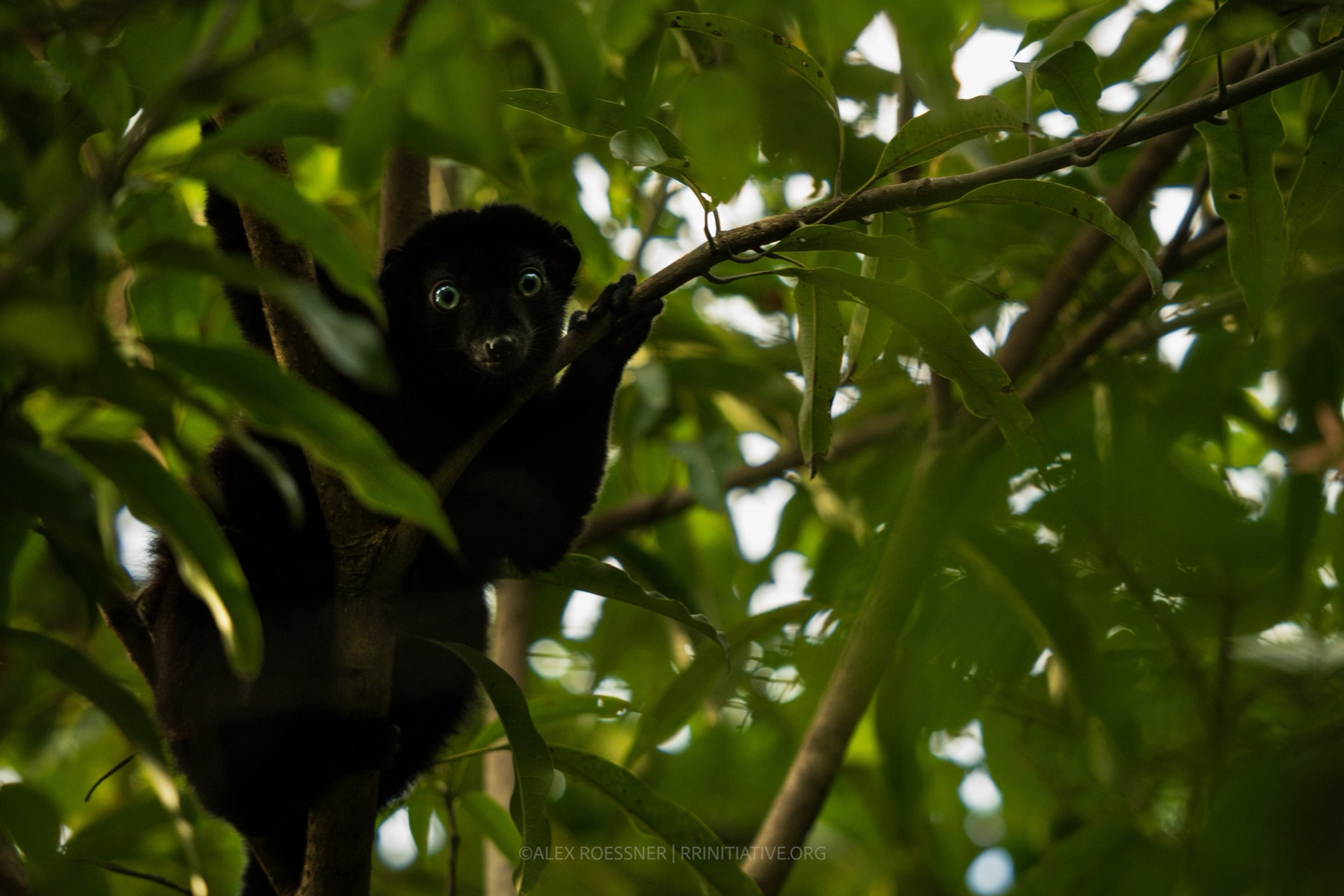
In March 2025, I returned from an expedition in Northwest Madagascar, where I was fortunate to work alongside Guy Randriatahina, founder of Mikajy Natiora and one of the world's leading experts on blue-eyed black lemurs. Mikajy Natiora is a community-led NGO working to protect the Andatilambolo Forest, home to one of the last viable populations of these critically endangered lemurs. What I saw there wasn’t just conservation — it was a functioning model of resilience, integrity, and trust.
Mikajy Natiora has spent over 20 years in the same remote region, working hand-in-hand with local communities to protect a uniquely intact patch of forest atop a hill which has otherwise been stripped for agriculture. Their approach is not built on force or fines — it's built on reciprocity. Rather than punish harmful behaviors, they reward stewardship: families who avoid destructive rice farming on the hillsides — a key driver of deforestation — are supported with seeds, community events, traditional medicines, and primary healthcare access. In return, the forest stands, and the lemurs thrive.
The results are undeniable: deforestation has stopped on one side of the hill, the lemur population is stable, and the village is engaged.
But on the other side of that same hill, another village remains disconnected — and the threats persist. This initiative is about extending the protection model: equipping Mikajy Natiora with the resources to replicate success across the corridor, and formalizing long-term protections.
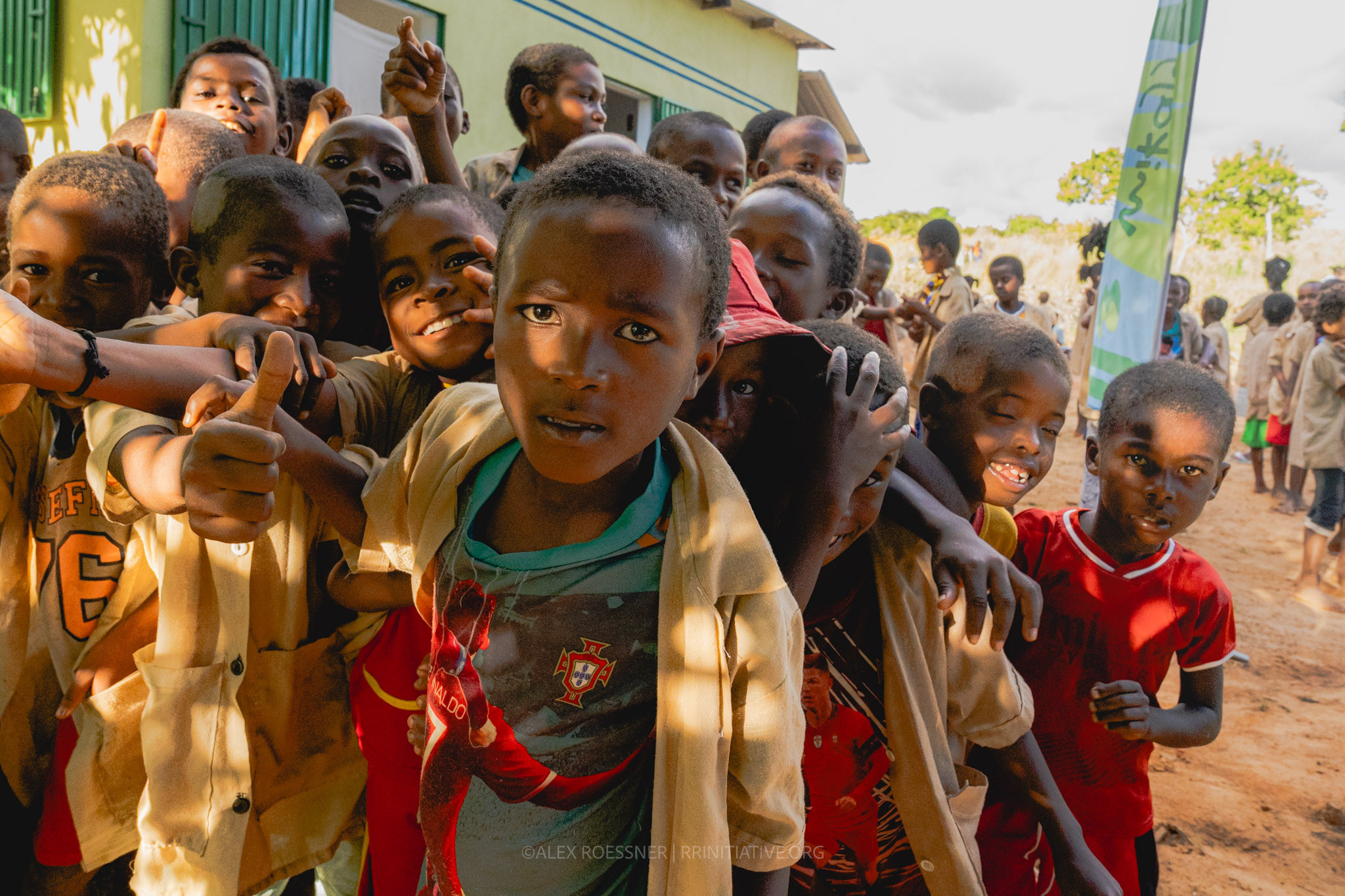
The most immediate need is a school — the first in this region. Followed by modest medical facilities. And continued field support for research, forest monitoring, and education.
This is one of the most under-studied forest patches on the planet. The research potential is profound — but so is the responsibility. This is about a way of life, a living forest, and a local model of conservation that works.
By the numbers
- Years on this hill
- 12
- Population decline of E. flavifrons (1990–2014)
- >80%
- Mobile clinics per year
- 4
- Local rangers on patrol
- 4
Andilambologno
Two days from Antananarivo. Past the receding primary forest, past the village of Mahitsihazo, lies a forest no government protects — and a community that does.
- Region
- Sofia, northwest Madagascar
- Nearest village
- Mahitsihazo
- Coordinates
- 14°17.045′ S · 48°03.899′ E
- Legal status
- Unprotected
- Adjacent park
- Sahamalaza-Iles Radama National Park
- Field partner
- Mikajy Natiora — Madagascar-based, Madagascar-led, founded 2013
Focal species
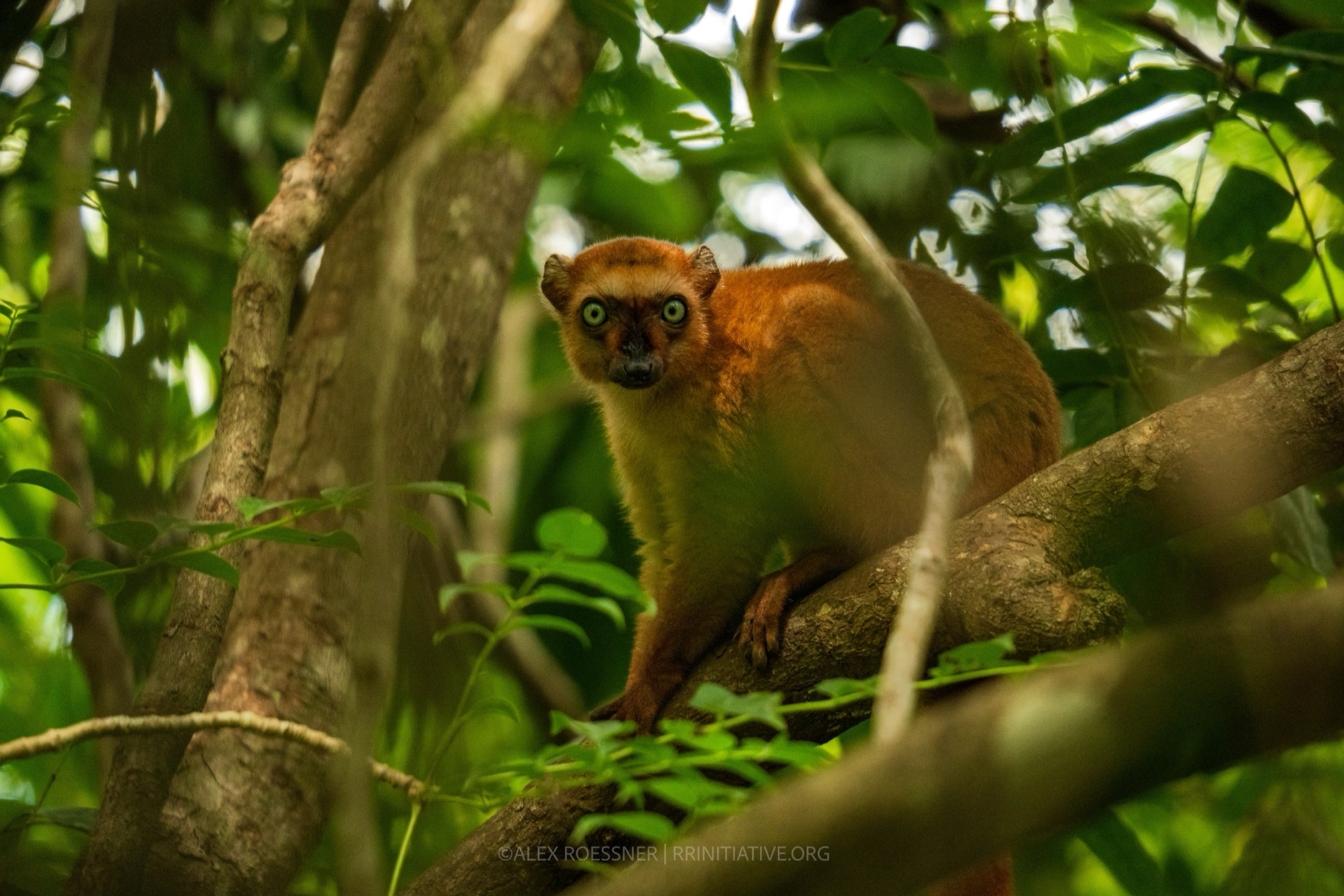
Four species monitored on the Andilambologno hill. Most of what else lives in the forest is uncounted.
| Species | Common name | IUCN status |
|---|---|---|
| Eulemur flavifrons | Blue-eyed black lemur | Critically Endangered |
| Hapalemur occidentalis | Northern bamboo lemur | Vulnerable |
| Mirza zaza | Northern giant mouse lemur | Vulnerable |
| Cheirogaleus medius | Fat-tailed dwarf lemur | Vulnerable |
The team
Twelve years on this hill. Madagascar-based, Madagascar-led. Only locals work here.
-
Dr. Sylviane Volampeno
Founder & Principal Investigator
Primatologist · PhD Zoology, University of KwaZulu-Natal · Lecturer at the University of Antananarivo · Founded Mikajy Natiora in 2013
-
Guy Randriatahina
Project Coordinator
One of the world's leading experts on Eulemur flavifrons · Long-tenured field director, formerly with AEECL
-
Tsiory Rakotomalala
Field Coordinator
Manages forest patrols, ranger schedule, and the four-times-a-year mobile clinic
-
Teoda + 3 field rangers
Local field staff
All from the surrounding villages. Daily presence on the hill.
Field Photographs · 30 images
Female Flavifrons
Andilambolo Forest, Madagascar
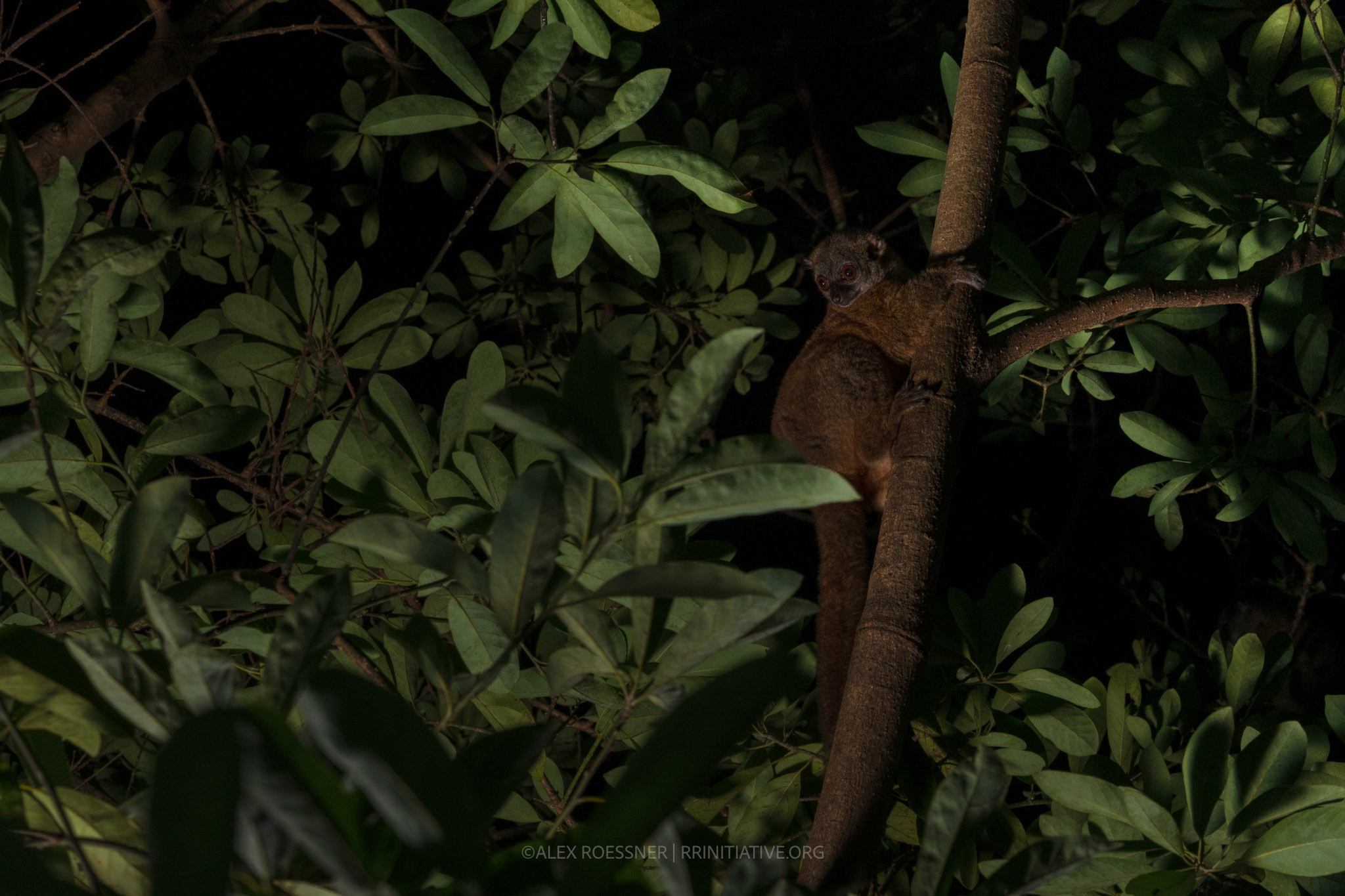 Sportive
Lokobe, Nosy Be, Madagascar
Sportive
Lokobe, Nosy Be, Madagascar
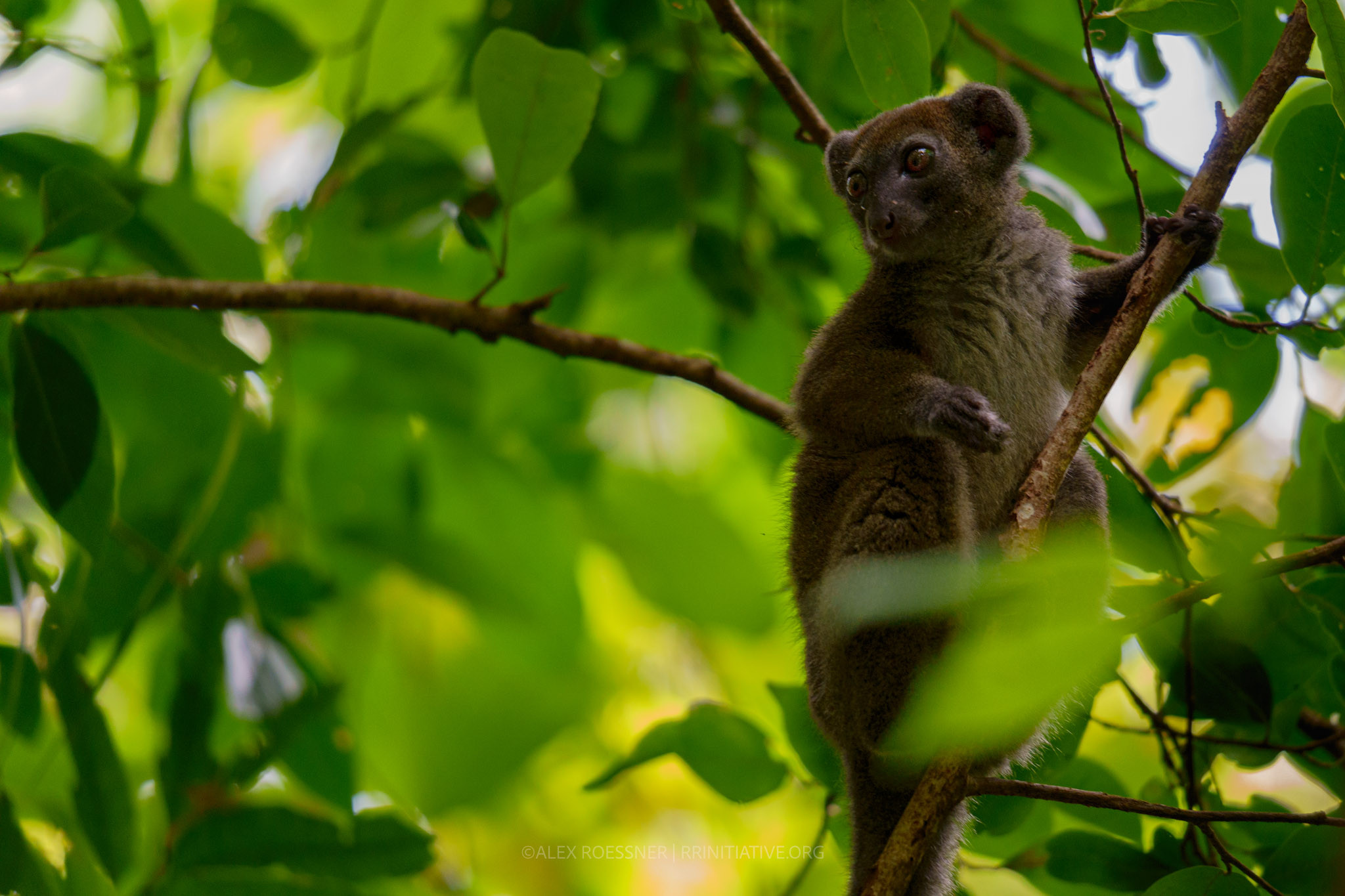 Bamboo Gaze
Andilambolo Forest, Madagascar
Bamboo Gaze
Andilambolo Forest, Madagascar
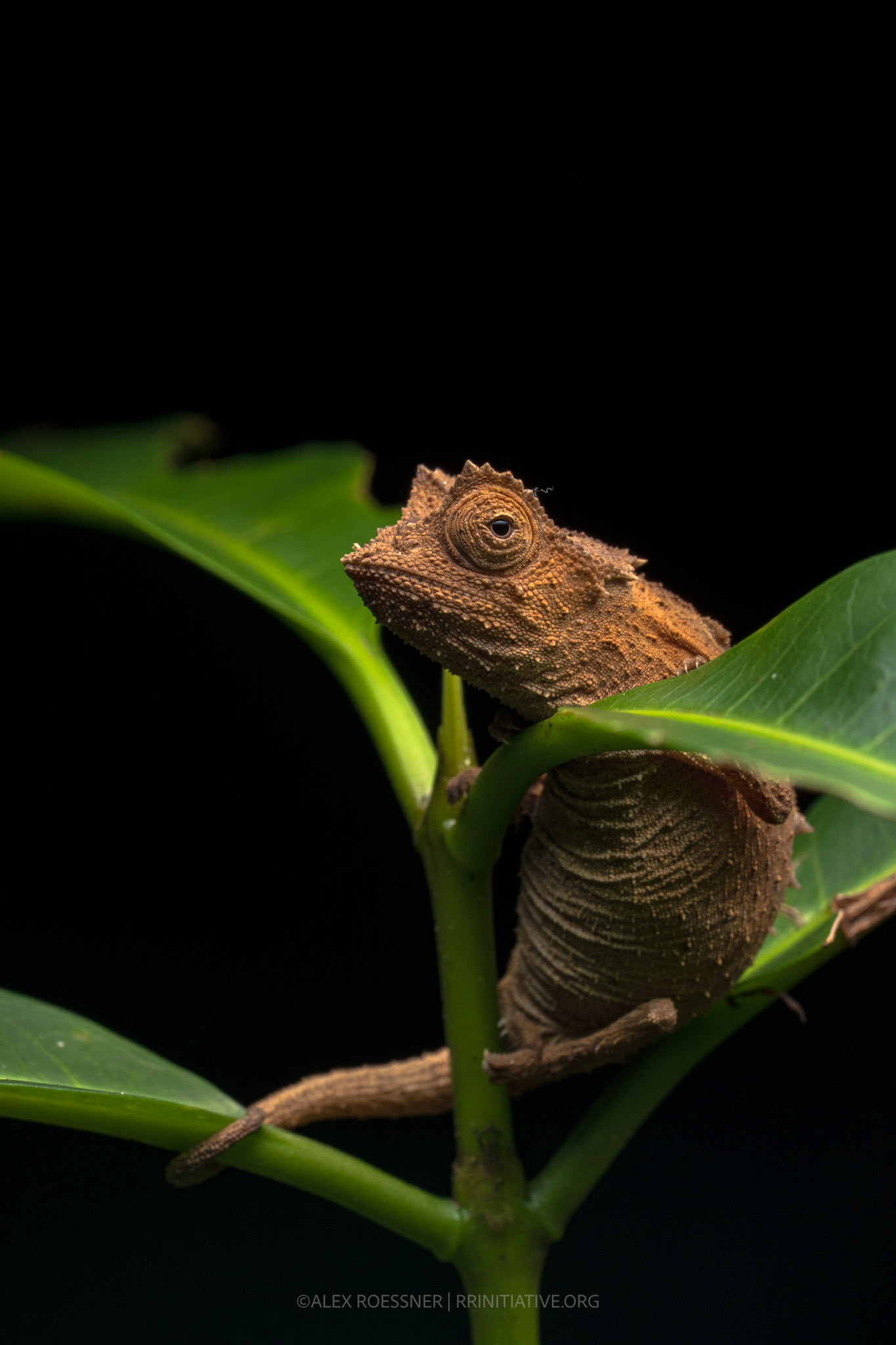 Comfy Chameleon
Lokobe, Nosy Be, Madagascar
Comfy Chameleon
Lokobe, Nosy Be, Madagascar
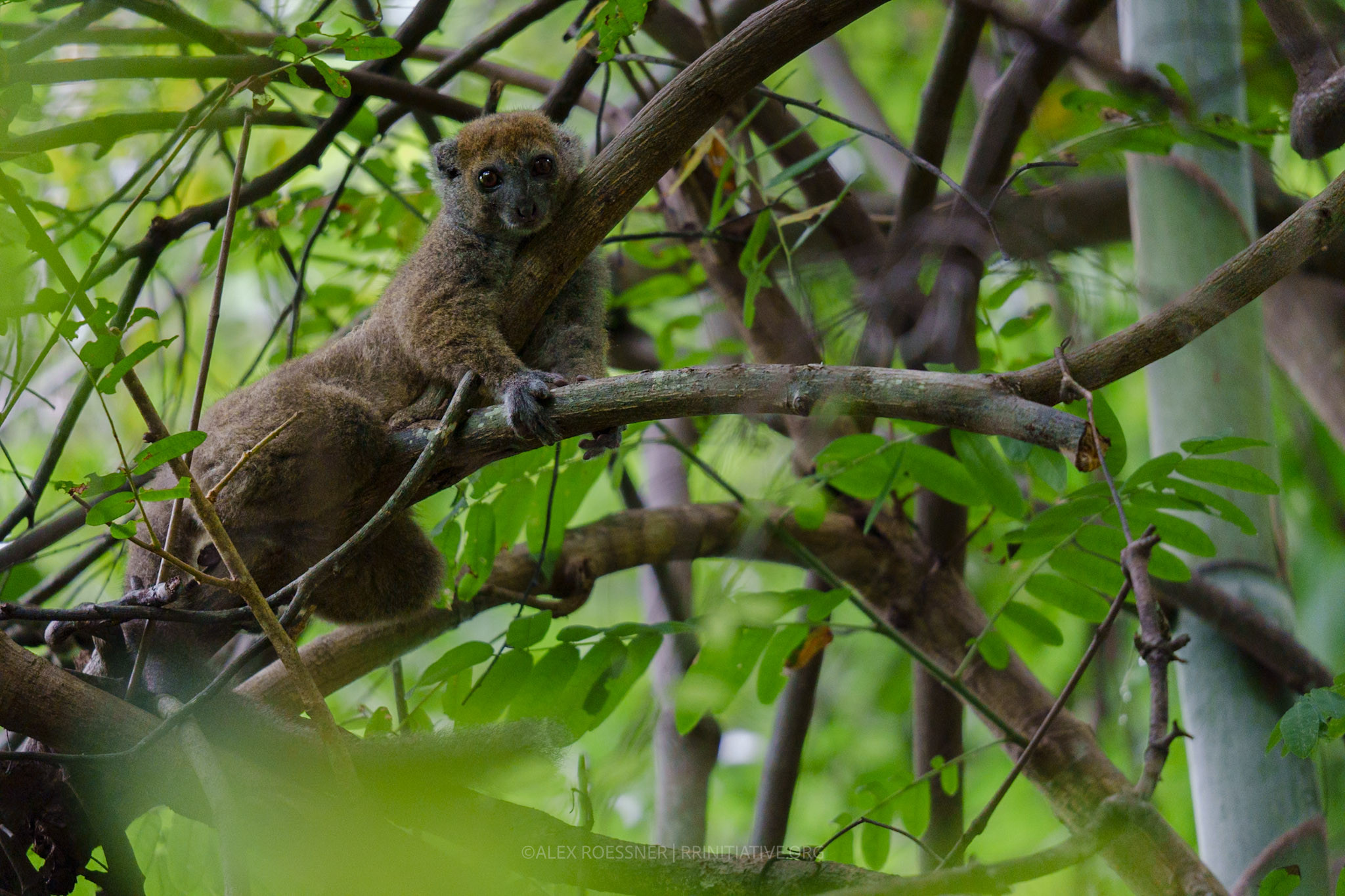 Bamboo Lounge
Andilambolo Forest, Madagascar
Bamboo Lounge
Andilambolo Forest, Madagascar
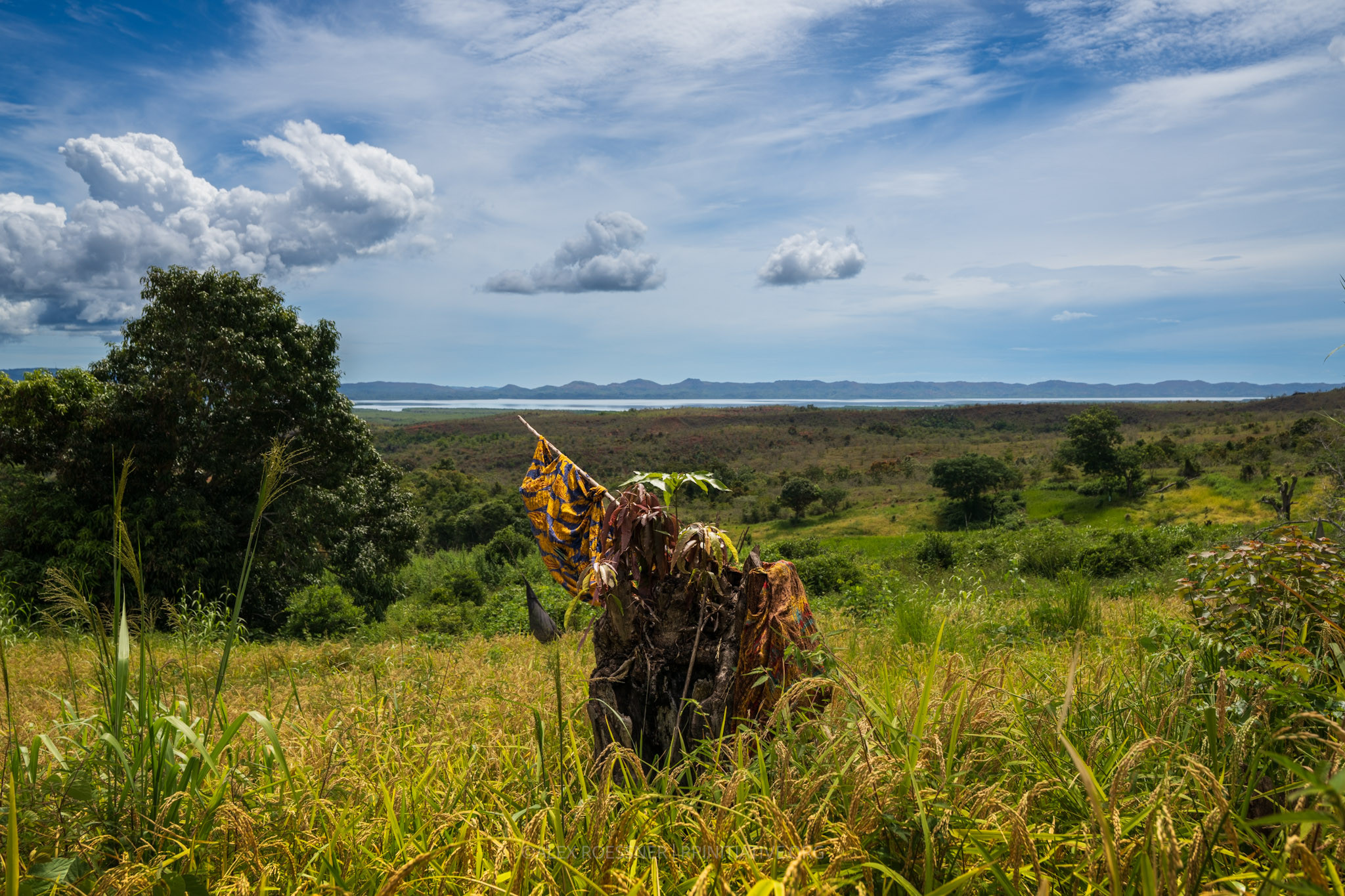 Scarecrow with a View
Andilambolo Forest, Madagascar
Scarecrow with a View
Andilambolo Forest, Madagascar
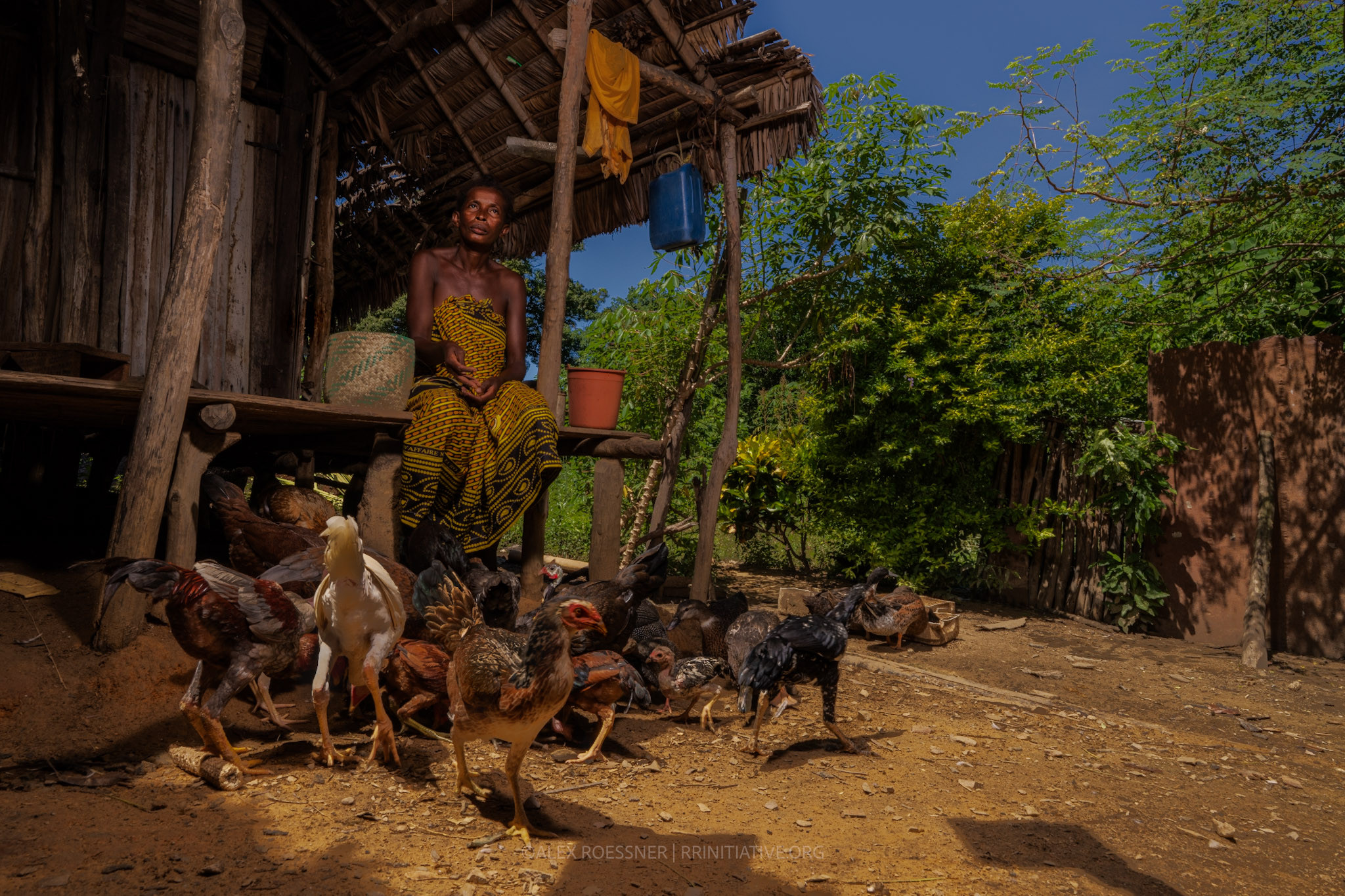 Controlled Chaos
Andilambolo Forest, Madagascar
Controlled Chaos
Andilambolo Forest, Madagascar
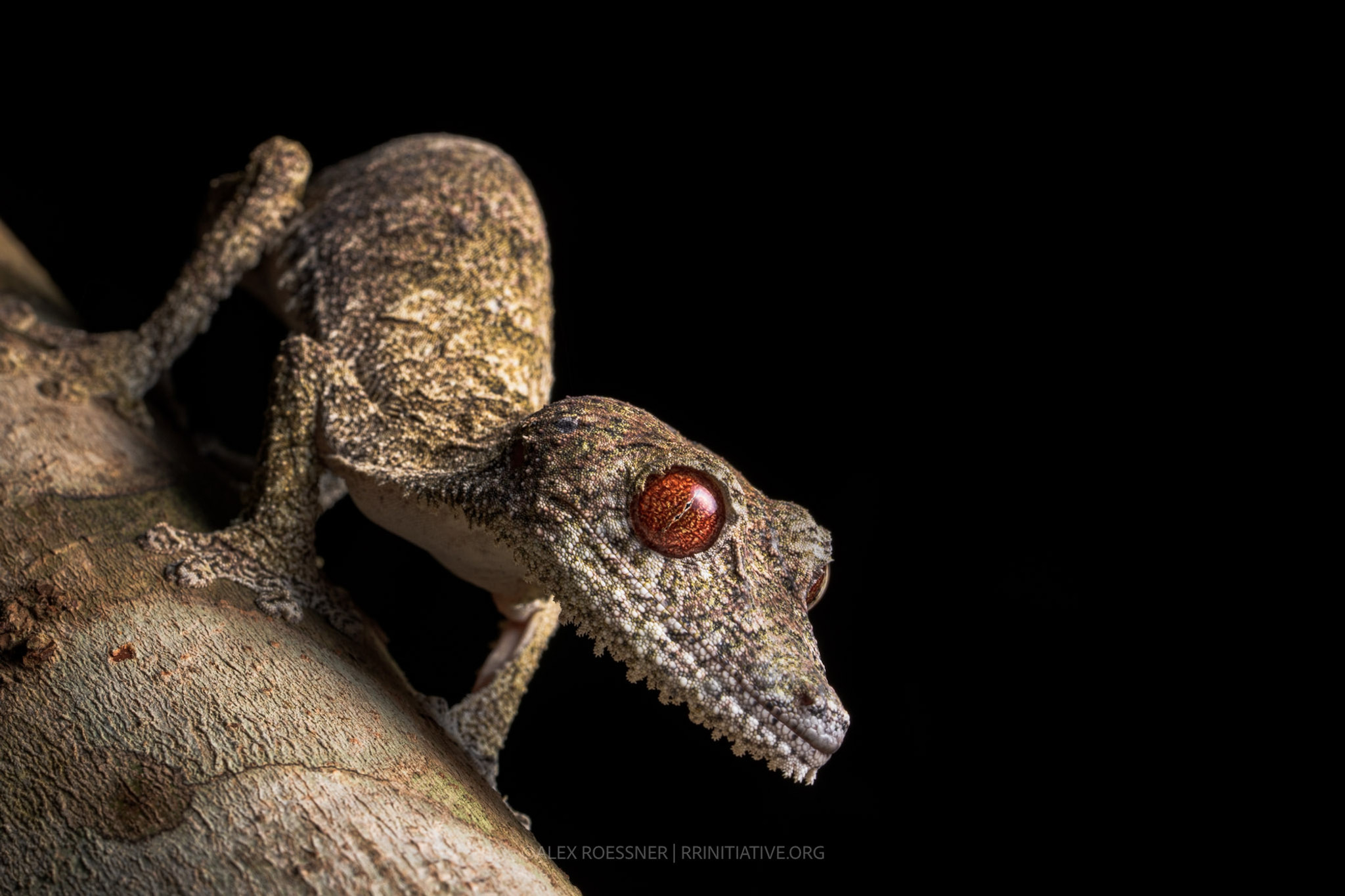 Uroplatus
Lokobe, Nosy Be, Madagascar
Uroplatus
Lokobe, Nosy Be, Madagascar
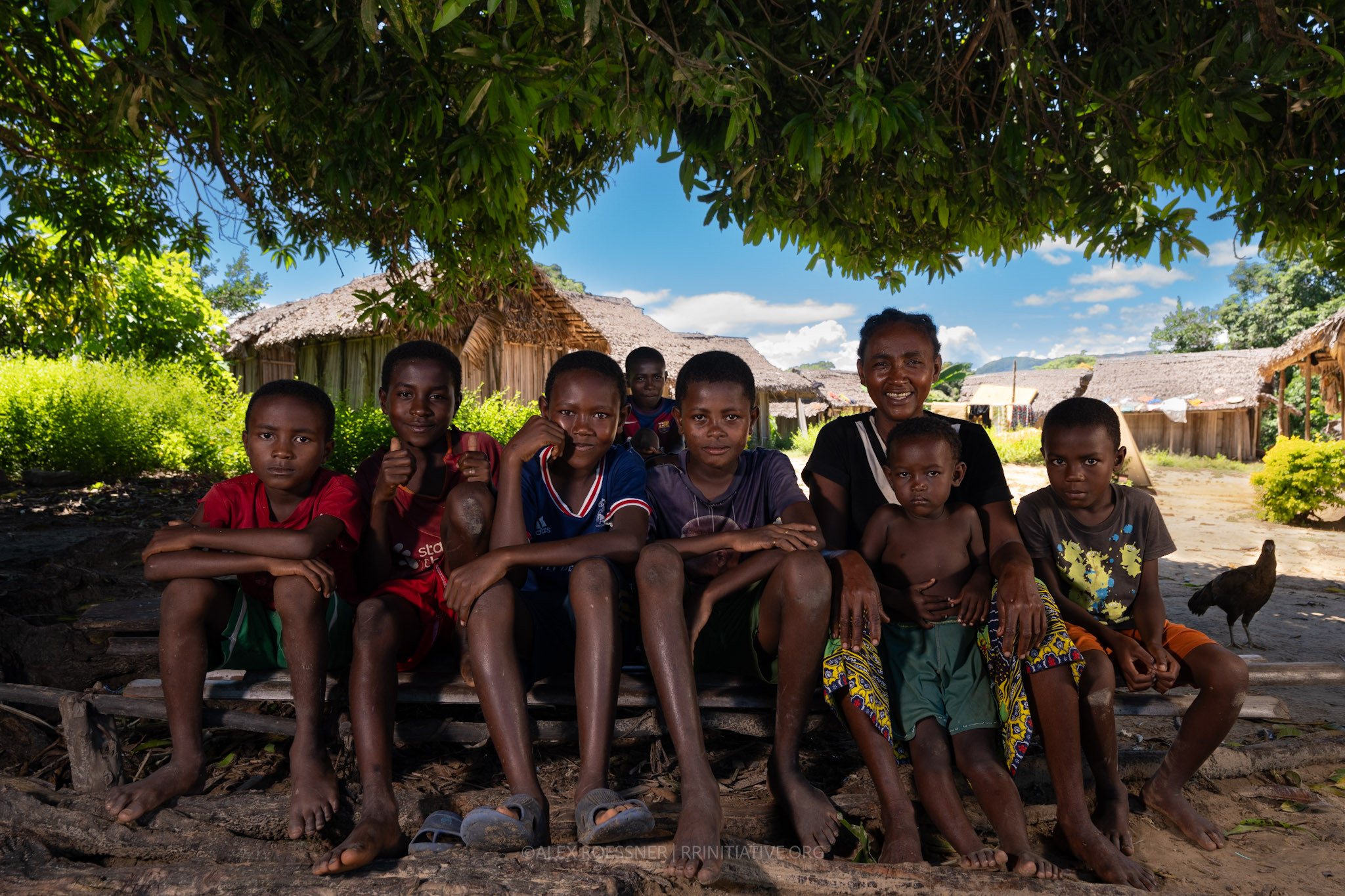 Community
Andilambolo Forest, Madagascar
Community
Andilambolo Forest, Madagascar
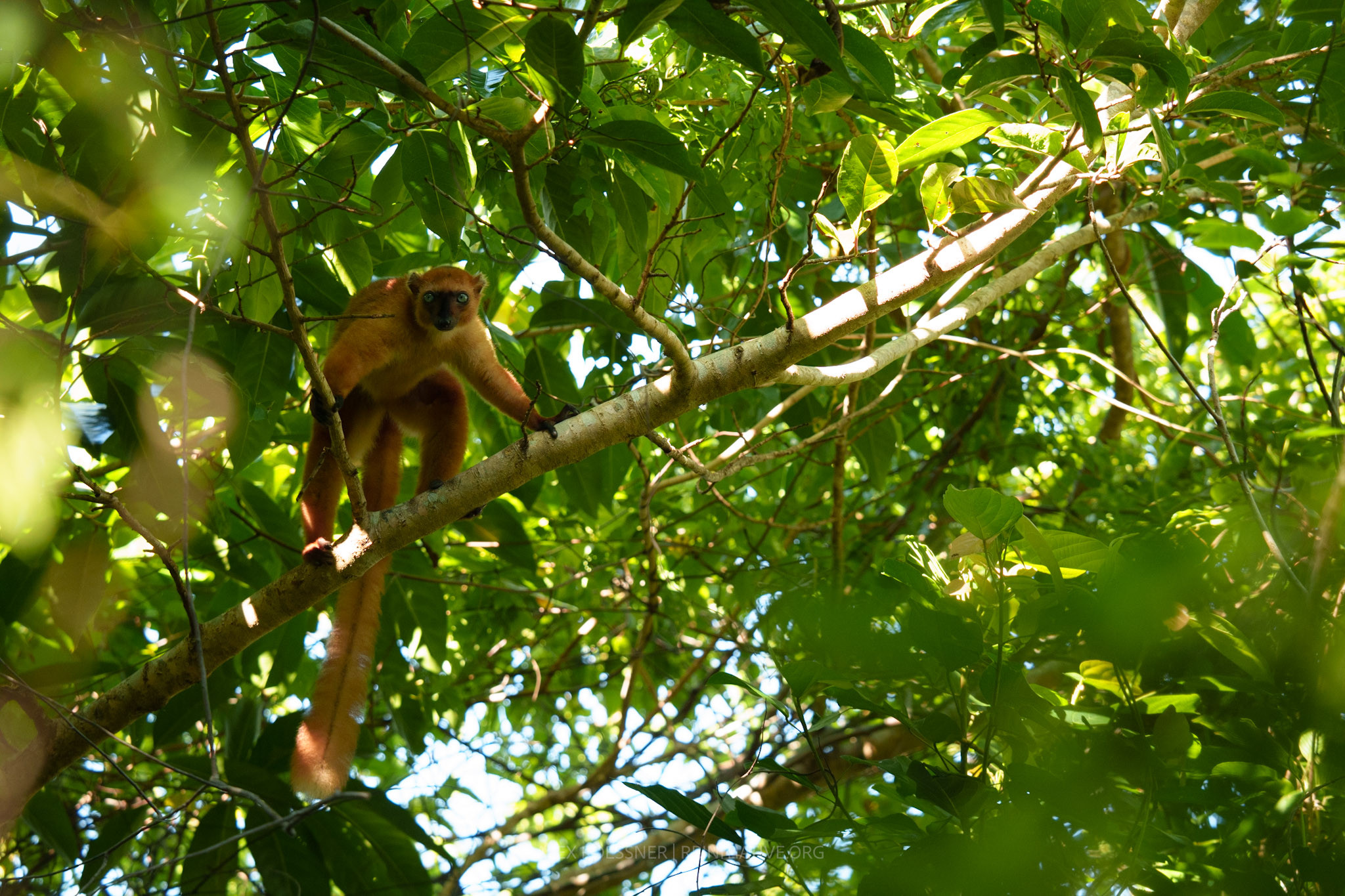 Attitude
Andilambolo Forest, Madagascar
Attitude
Andilambolo Forest, Madagascar
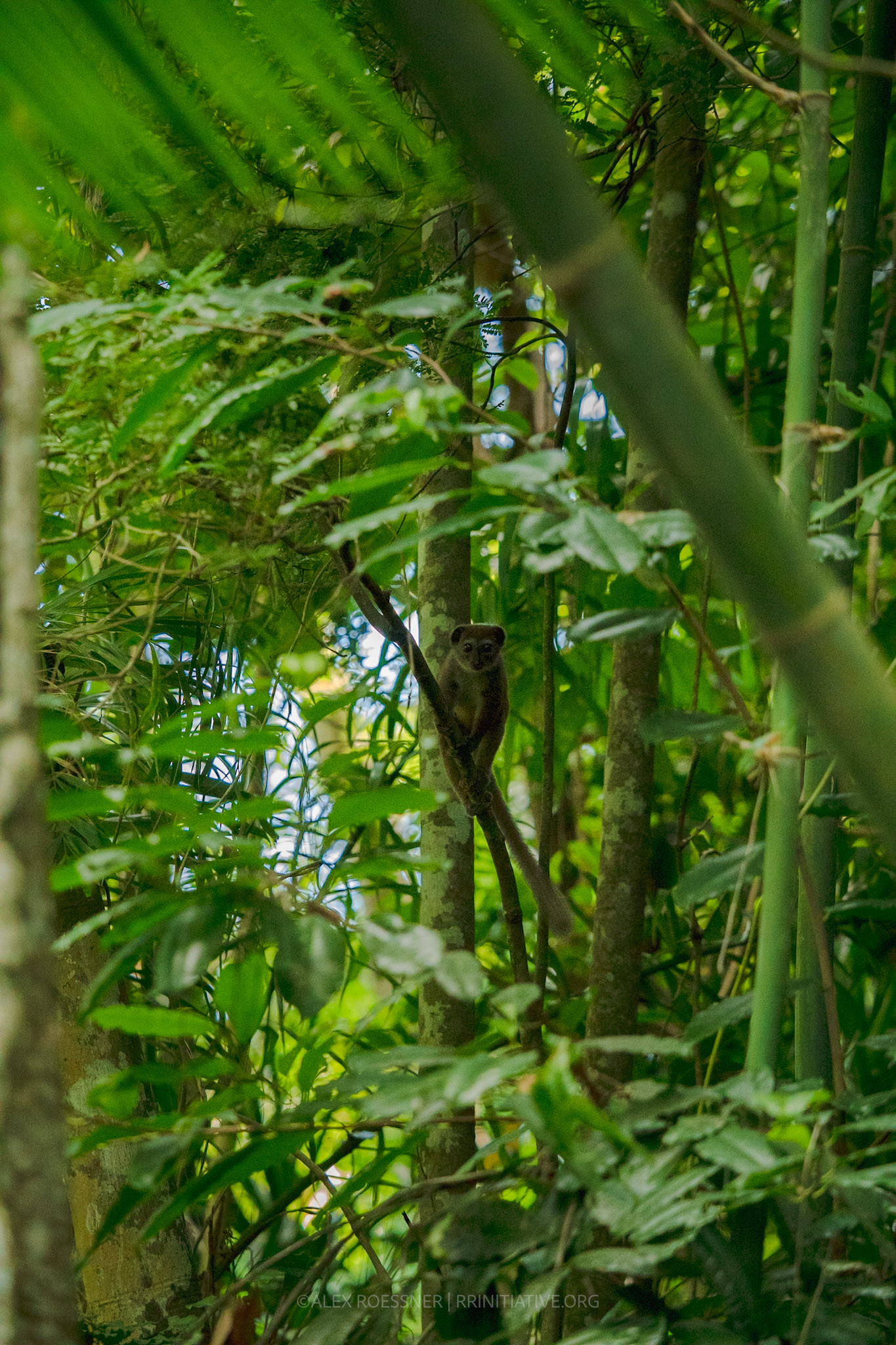 Framed by Bamboo
Andilambolo Forest, Madagascar
Framed by Bamboo
Andilambolo Forest, Madagascar
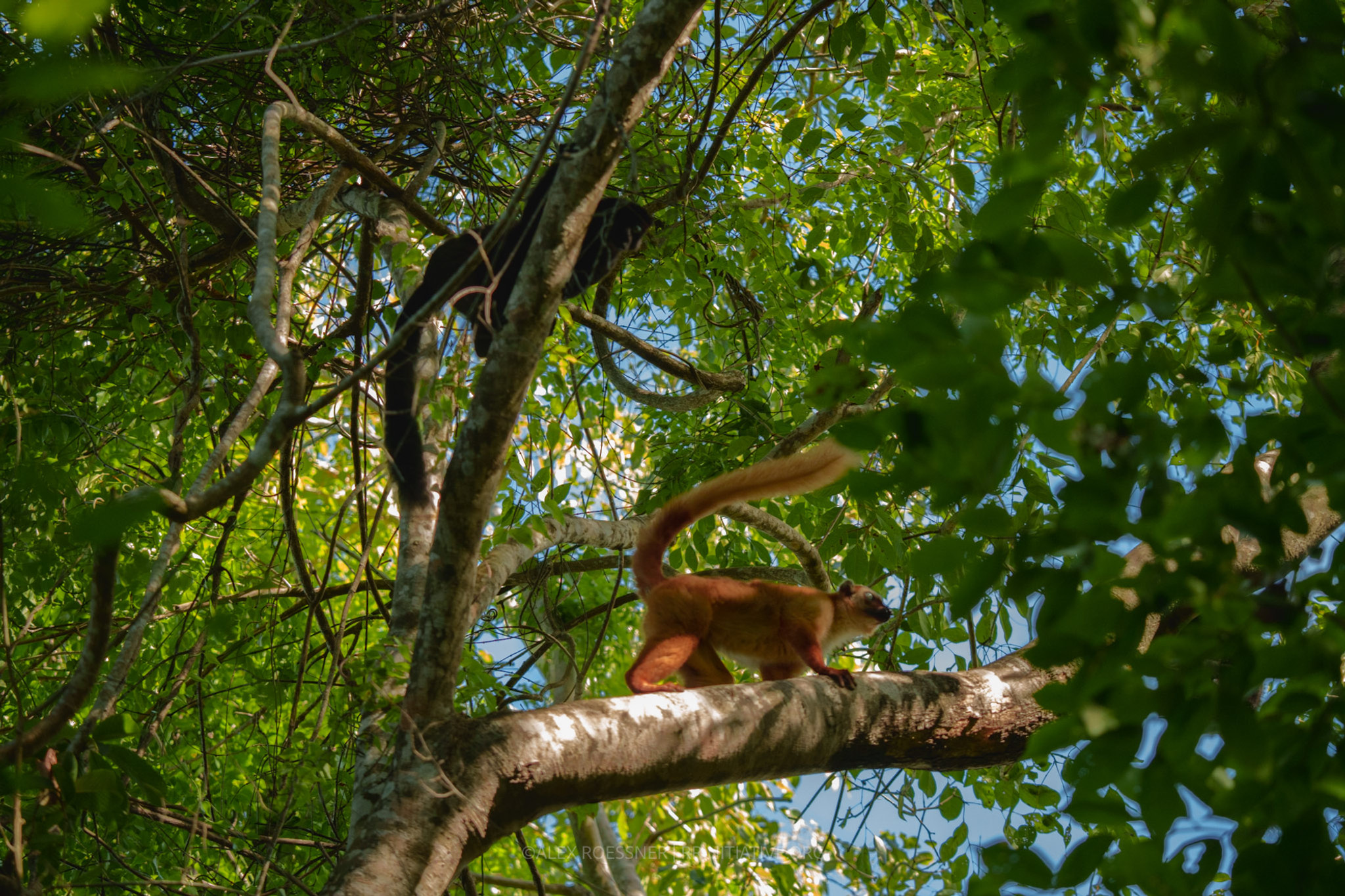 Yin and Yang
Andilambolo Forest, Madagascar
Yin and Yang
Andilambolo Forest, Madagascar
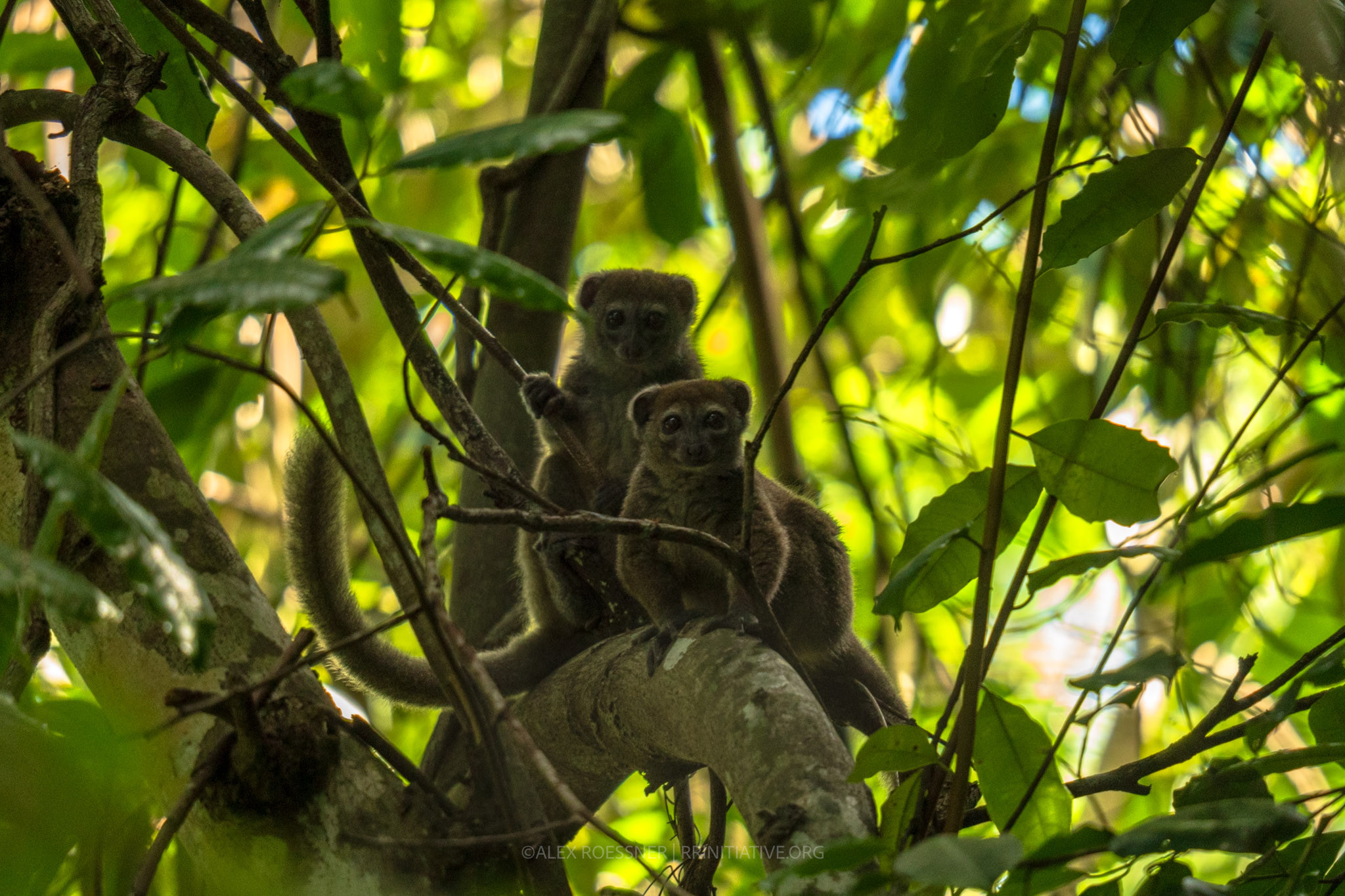 Bamboo Love
Andilambolo Forest, Madagascar
Bamboo Love
Andilambolo Forest, Madagascar
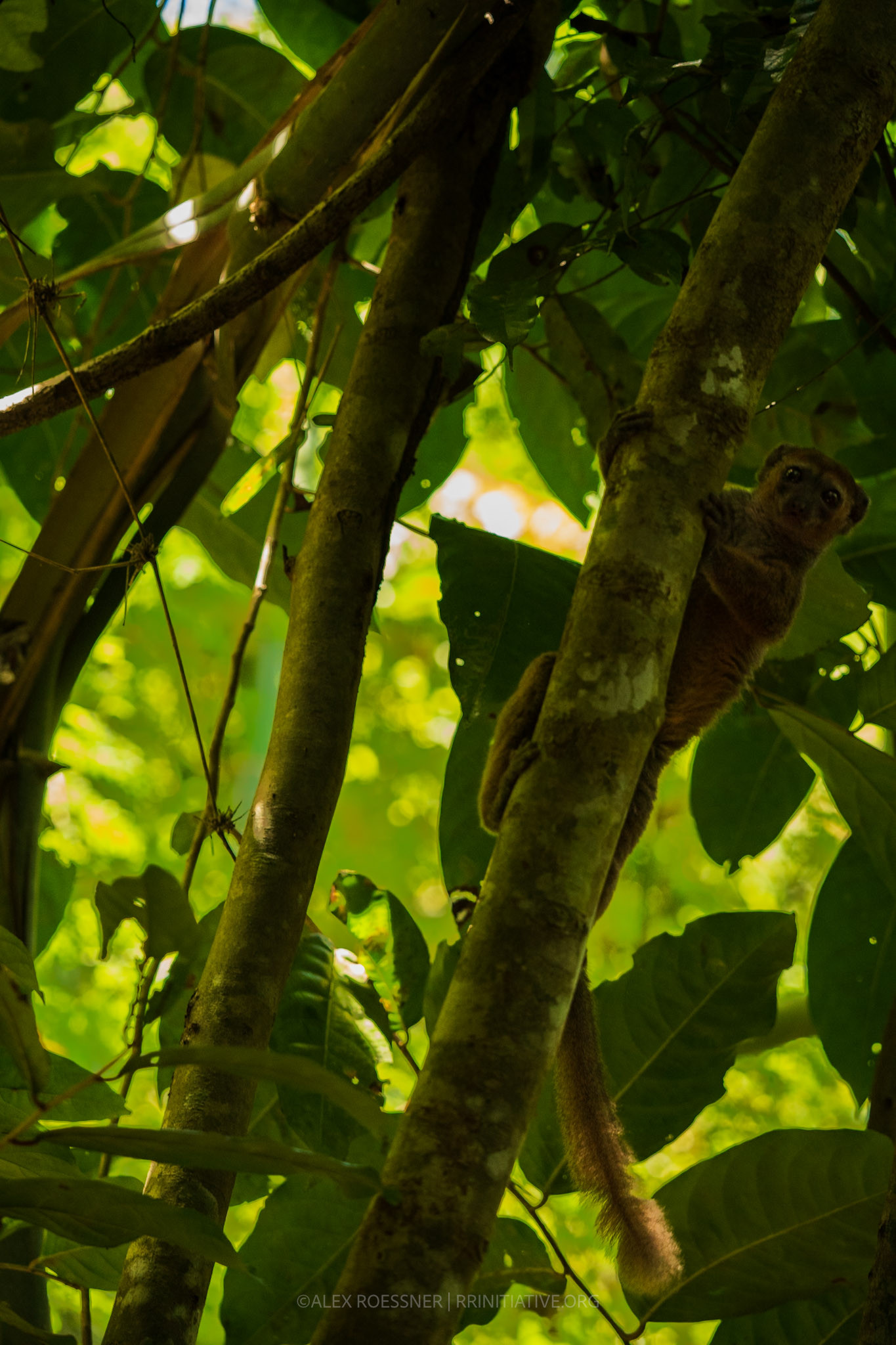 Bamboo Curiosity
Andilambolo Forest, Madagascar
Bamboo Curiosity
Andilambolo Forest, Madagascar
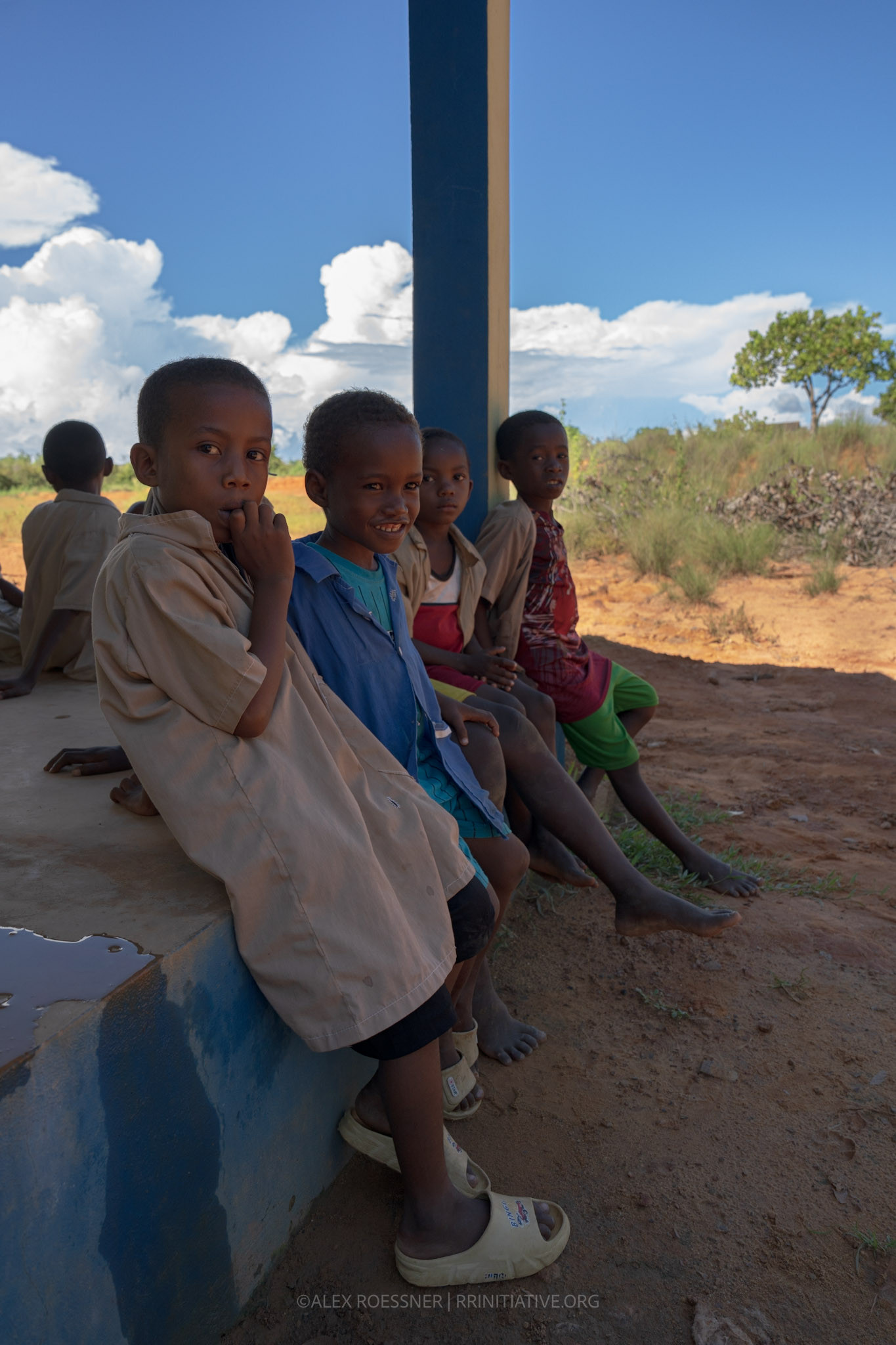 The Kids and the Sky
Andilambolo Forest, Madagascar
The Kids and the Sky
Andilambolo Forest, Madagascar
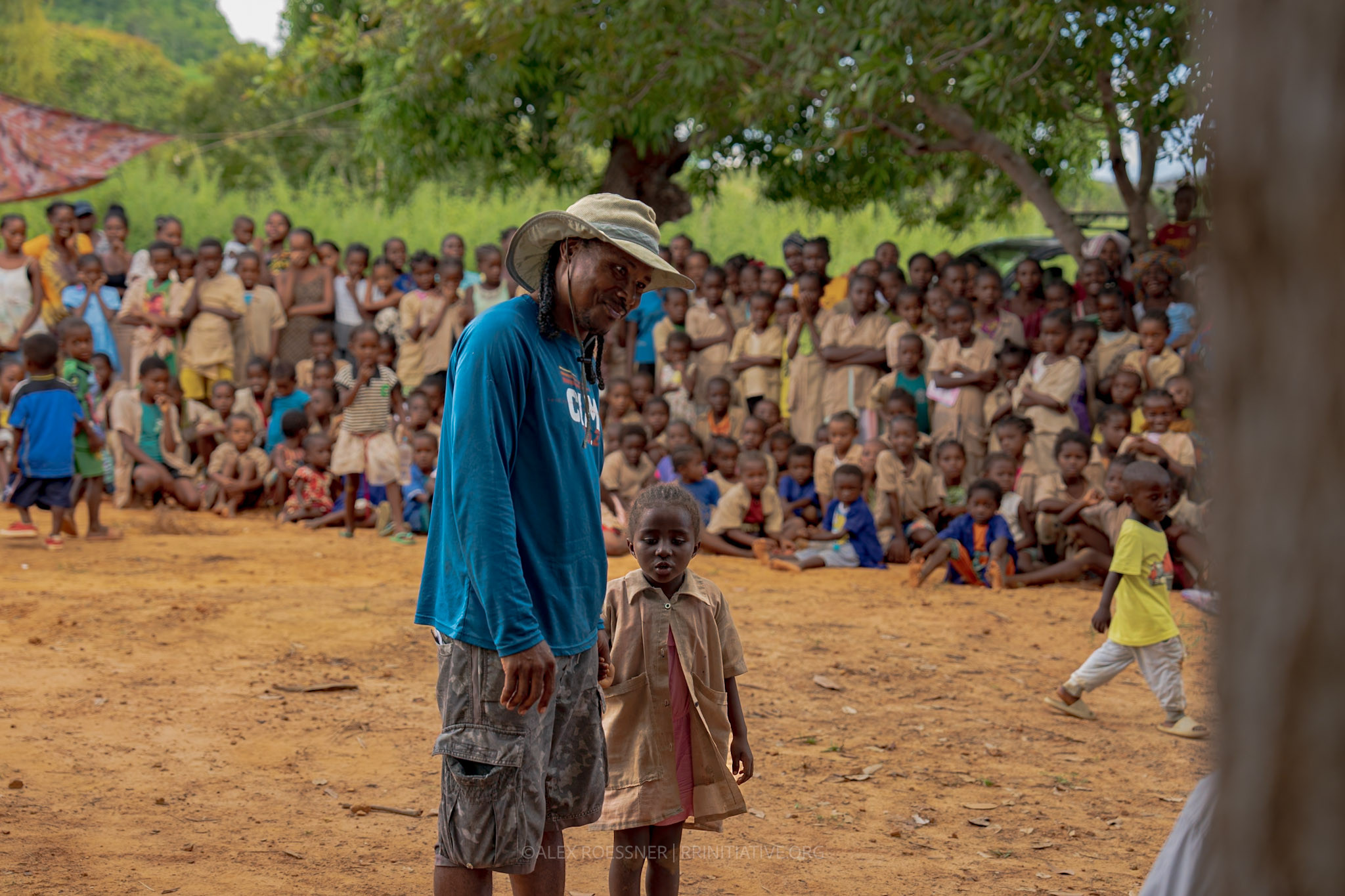 Admiration
Andilambolo Forest, Madagascar
Light and Faces
Andilambolo Forest, Madagascar
Admiration
Andilambolo Forest, Madagascar
Light and Faces
Andilambolo Forest, Madagascar
 Intensity
Andilambolo Forest, Madagascar
Intensity
Andilambolo Forest, Madagascar
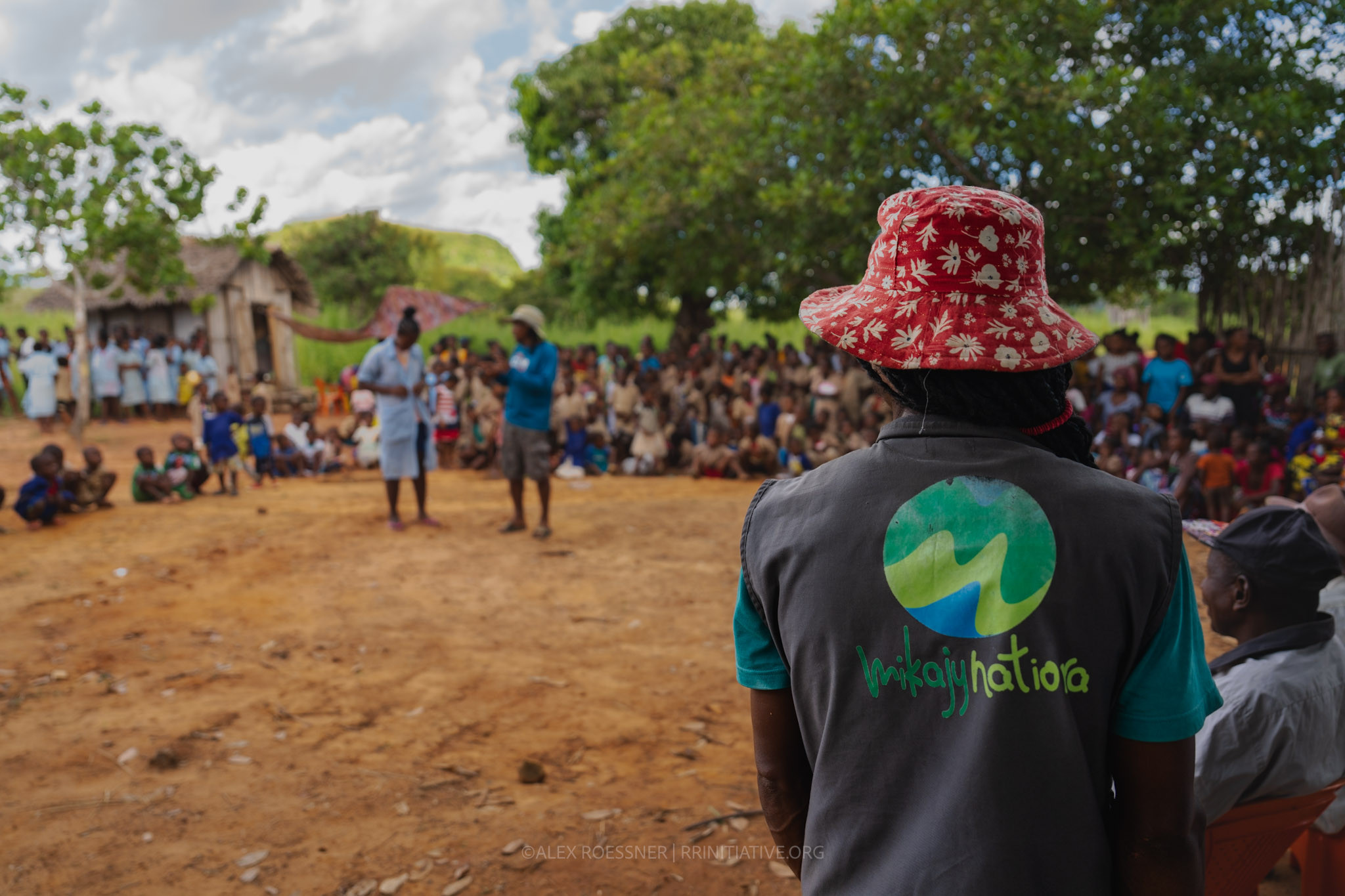 A Job Well Done
Andilambolo Forest, Madagascar
A Job Well Done
Andilambolo Forest, Madagascar
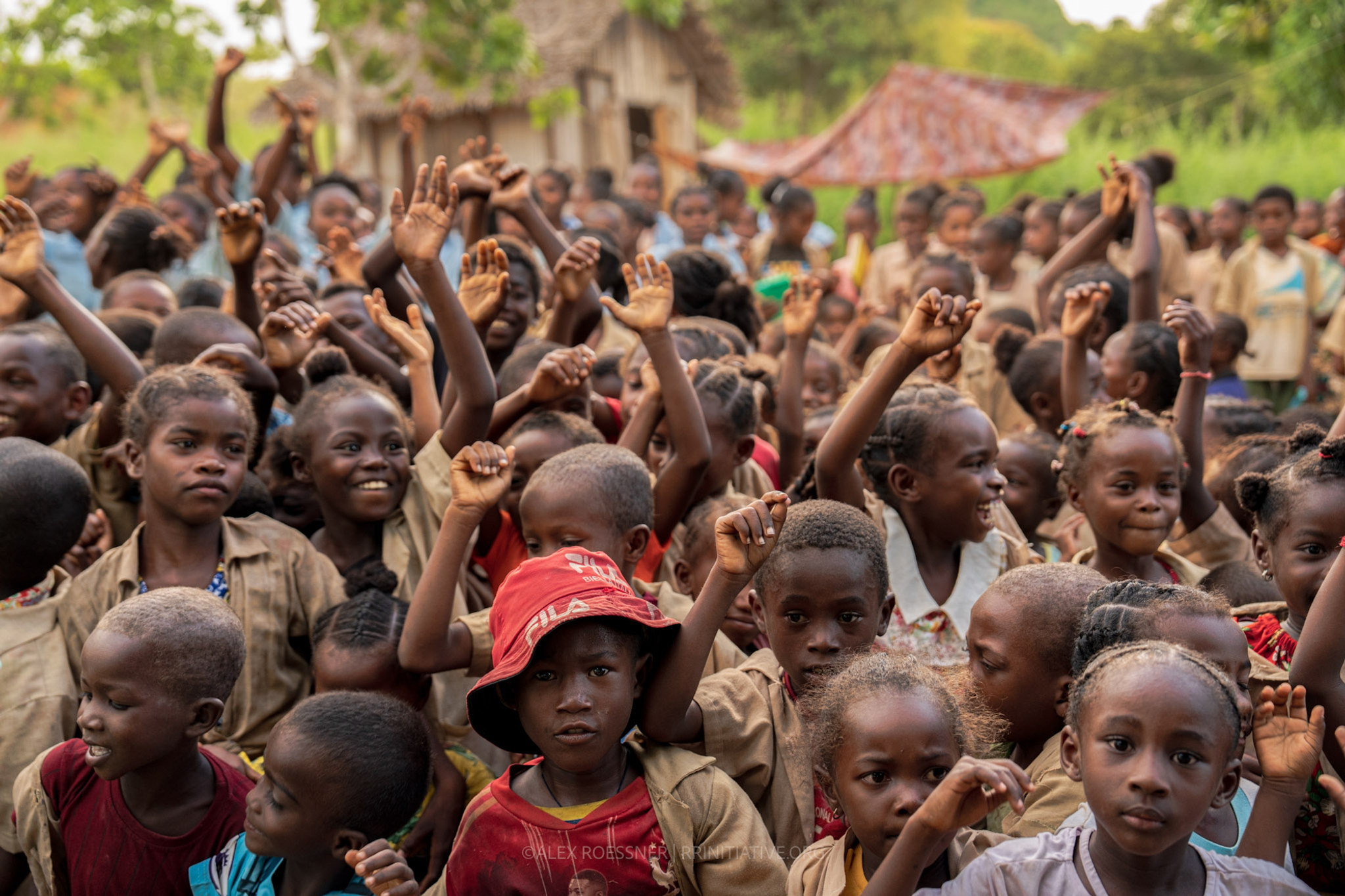 Dance Party
Andilambolo Forest, Madagascar
Dance Party
Andilambolo Forest, Madagascar
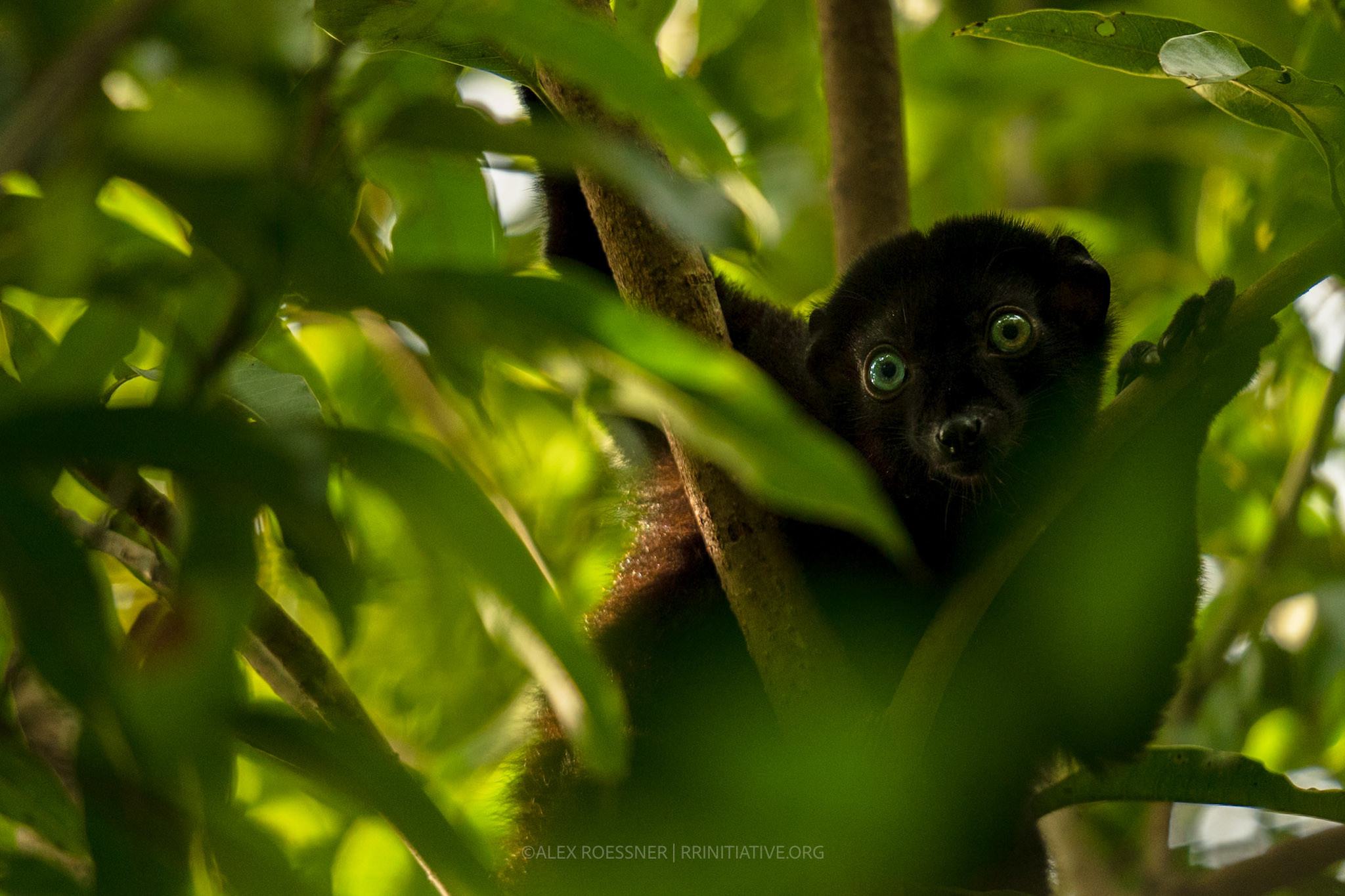 Peek-a-Boo
Andilambolo Forest, Madagascar
Peek-a-Boo
Andilambolo Forest, Madagascar
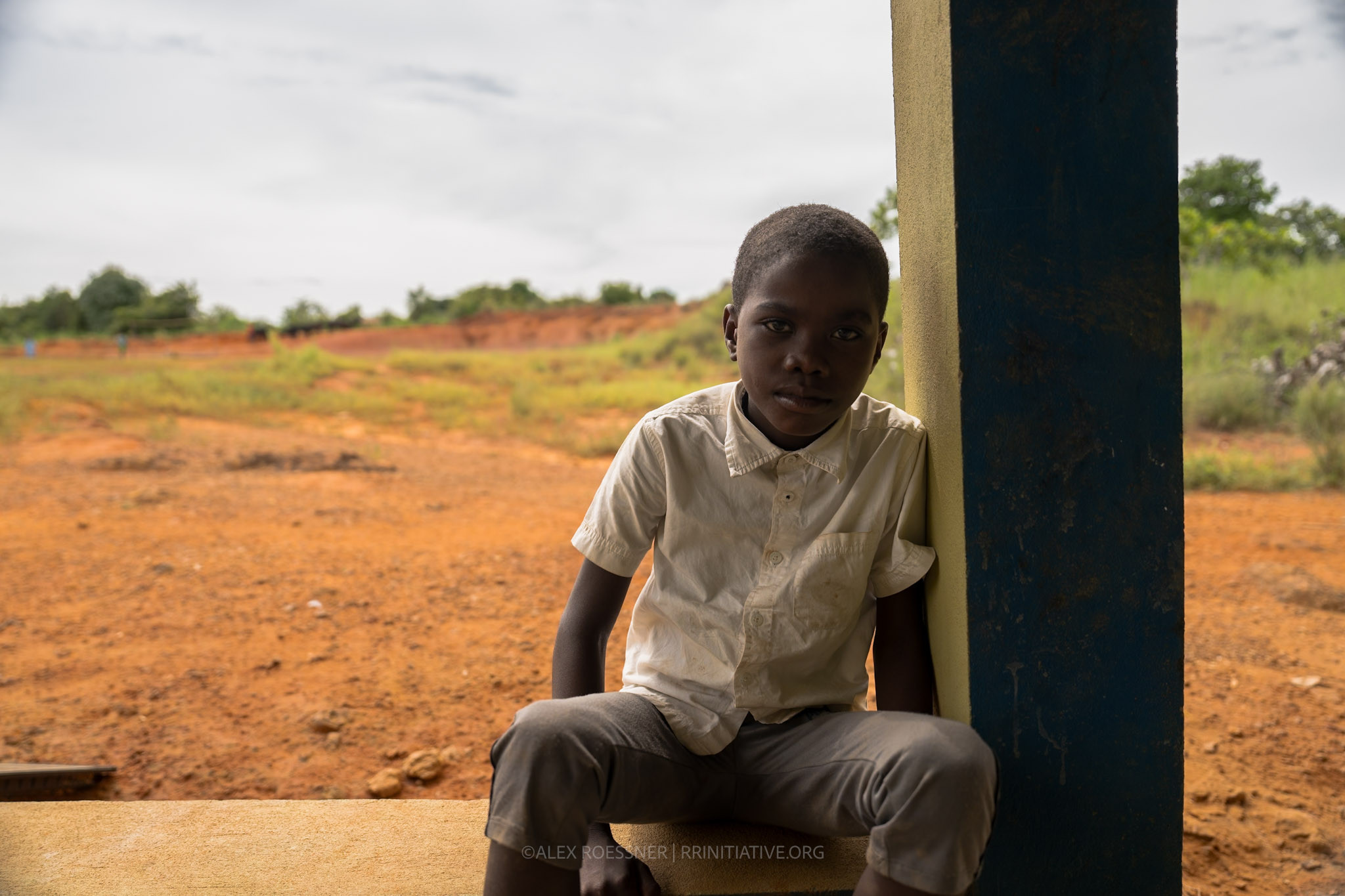 Connection
Andilambolo Forest, Madagascar
Connection
Andilambolo Forest, Madagascar
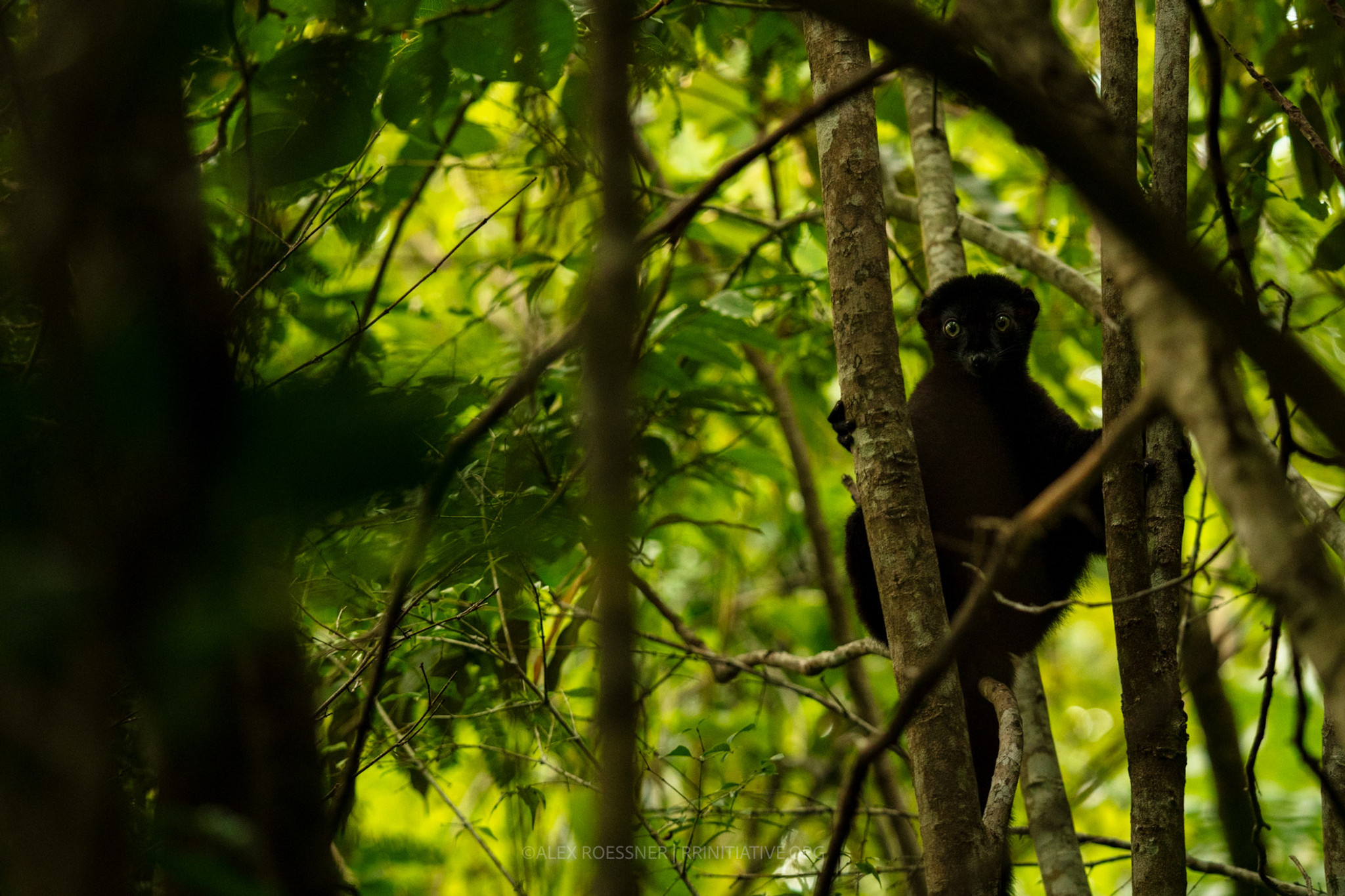 Between the Branches
Andilambolo Forest, Madagascar
Between the Branches
Andilambolo Forest, Madagascar
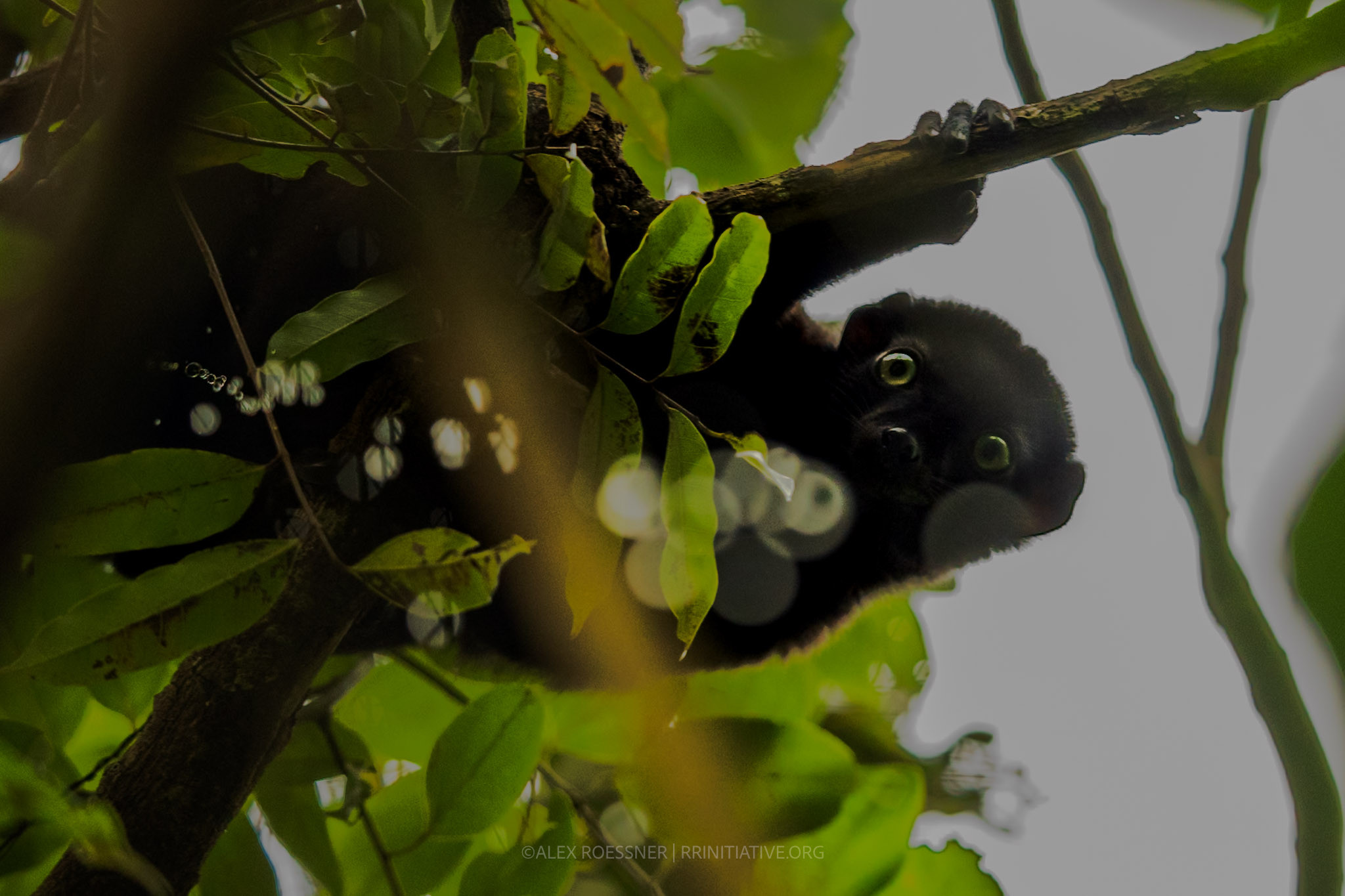 Blue-Eyed Leak
Andilambolo Forest, Madagascar
Blue-Eyed Leak
Andilambolo Forest, Madagascar
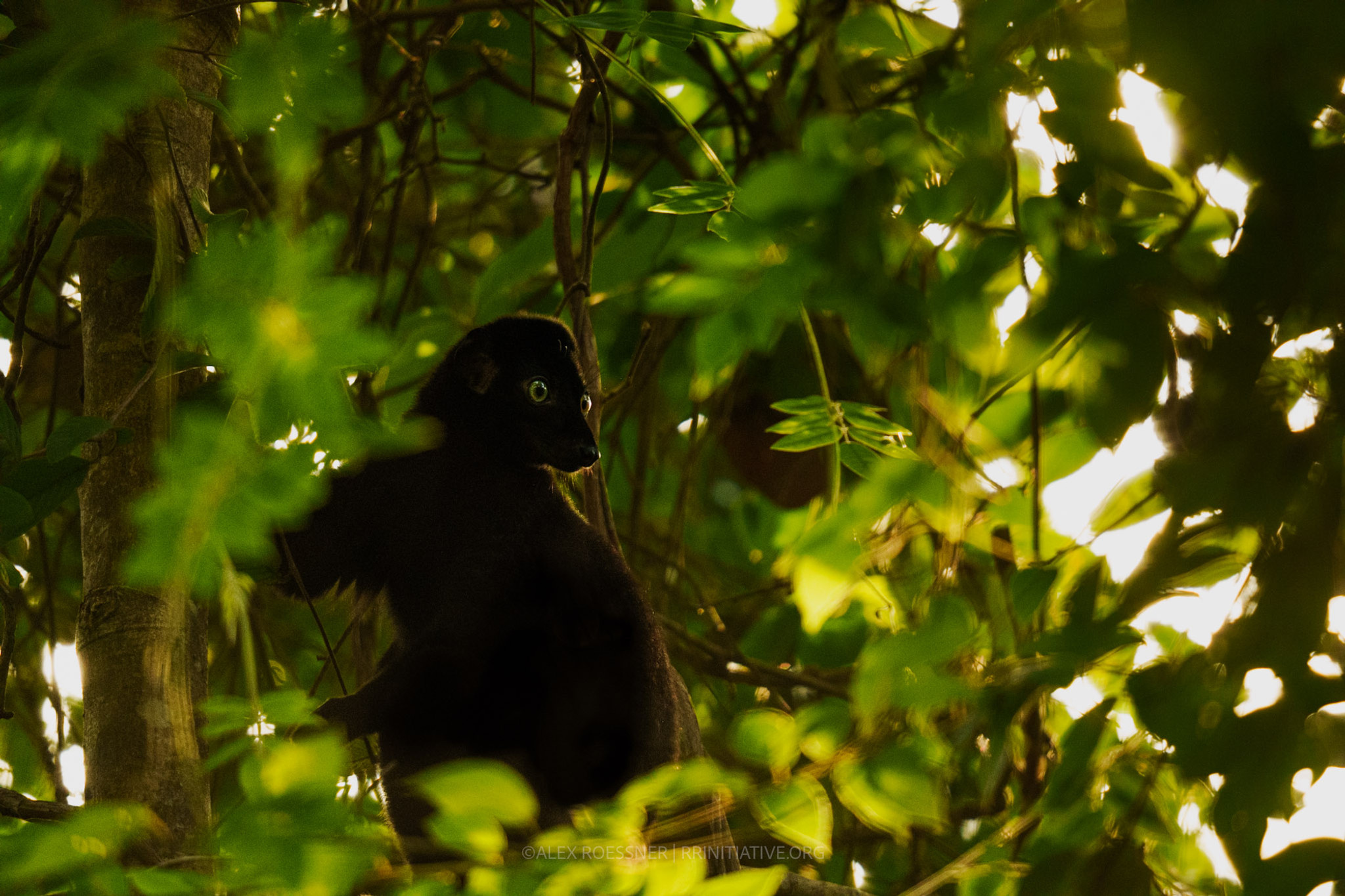 Backlit Blue-Eyes
Andilambolo Forest, Madagascar
Backlit Blue-Eyes
Andilambolo Forest, Madagascar
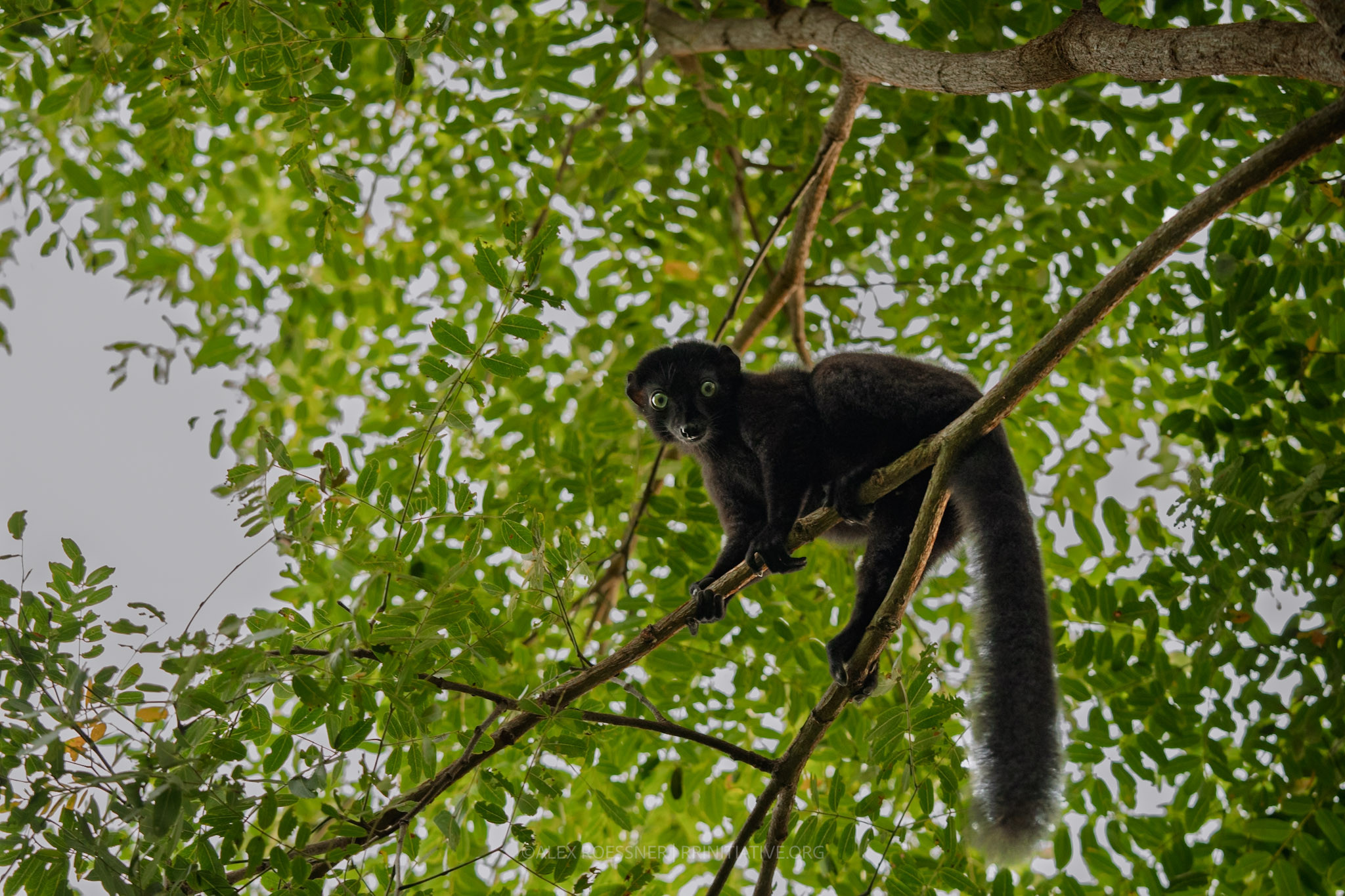 B&W&G
Andilambolo Forest, Madagascar
B&W&G
Andilambolo Forest, Madagascar
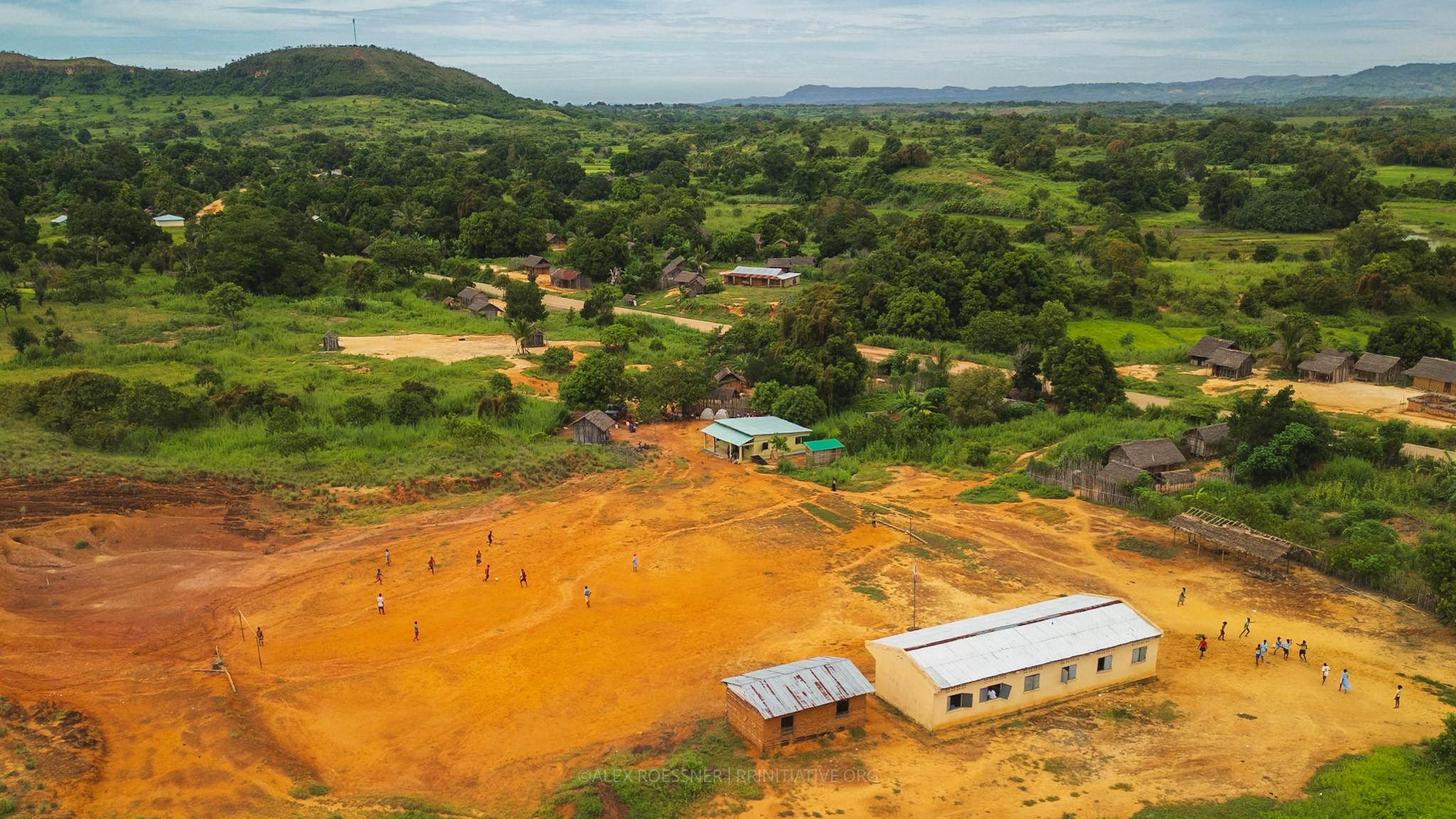 Mikajy Natiora HQ
Andilambolo Forest, Madagascar
Mikajy Natiora HQ
Andilambolo Forest, Madagascar
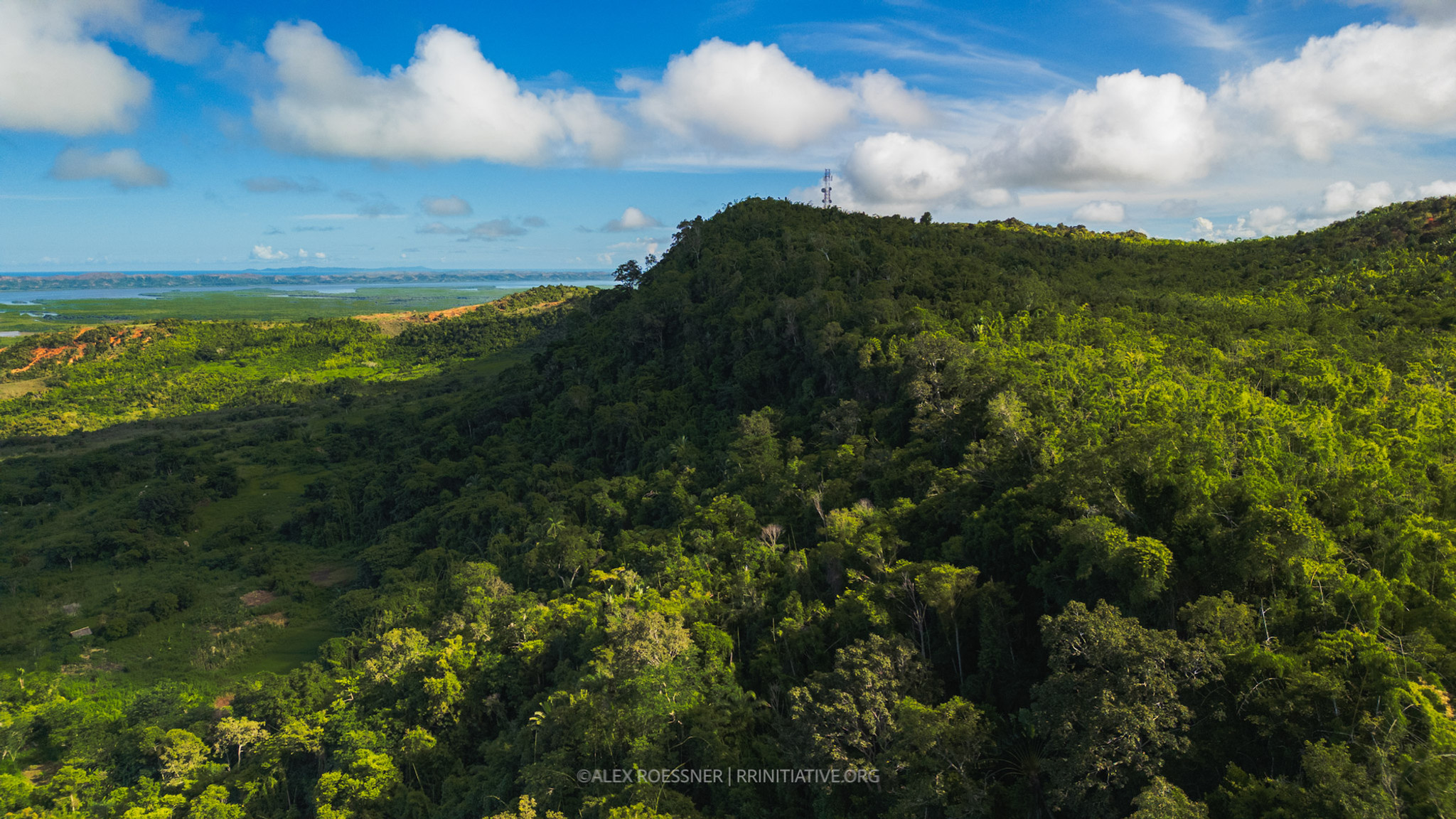 The Andilambolo Forest
Andilambolo Forest, Madagascar
The Andilambolo Forest
Andilambolo Forest, Madagascar
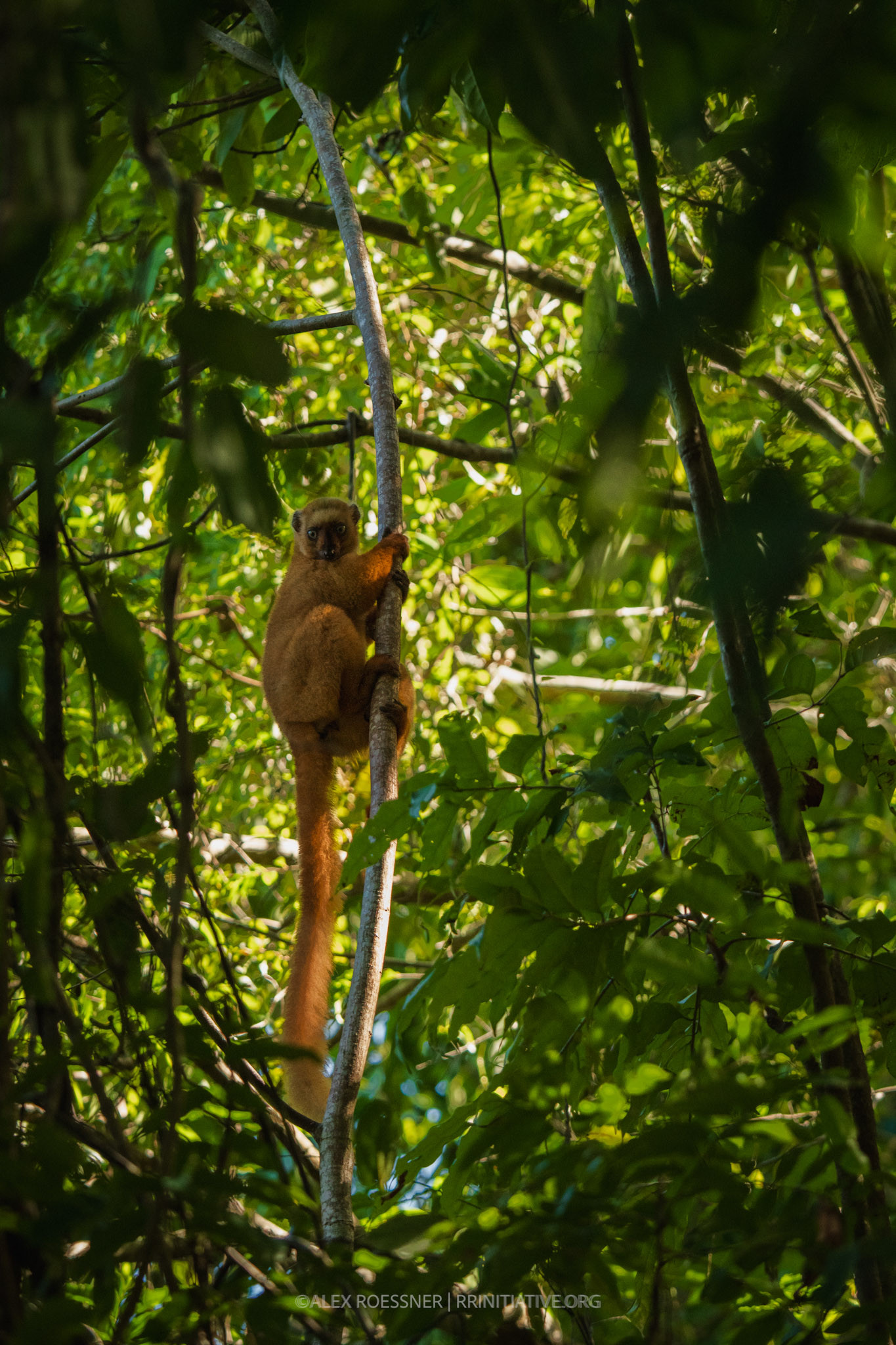 Clinging On
Andilambolo Forest, Madagascar
Curiosity
Andilambolo Forest, Madagascar
Clinging On
Andilambolo Forest, Madagascar
Curiosity
Andilambolo Forest, Madagascar
Other projects
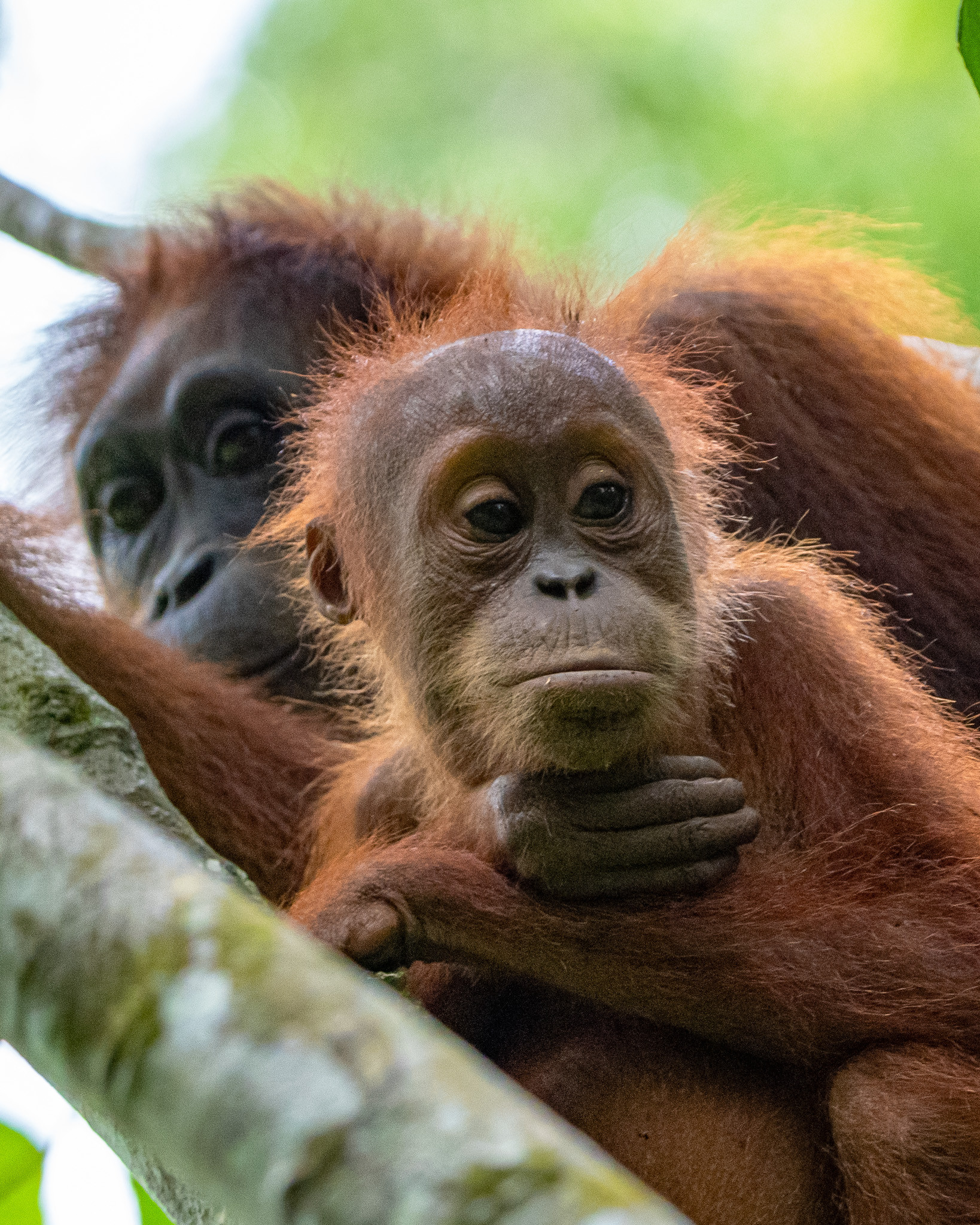
Indonesia · Sumatra
Sumatra
Protecting the last stronghold of wild tigers, rhinos, elephants, and orangutans — through community-led conservation science and regenerative economic systems.
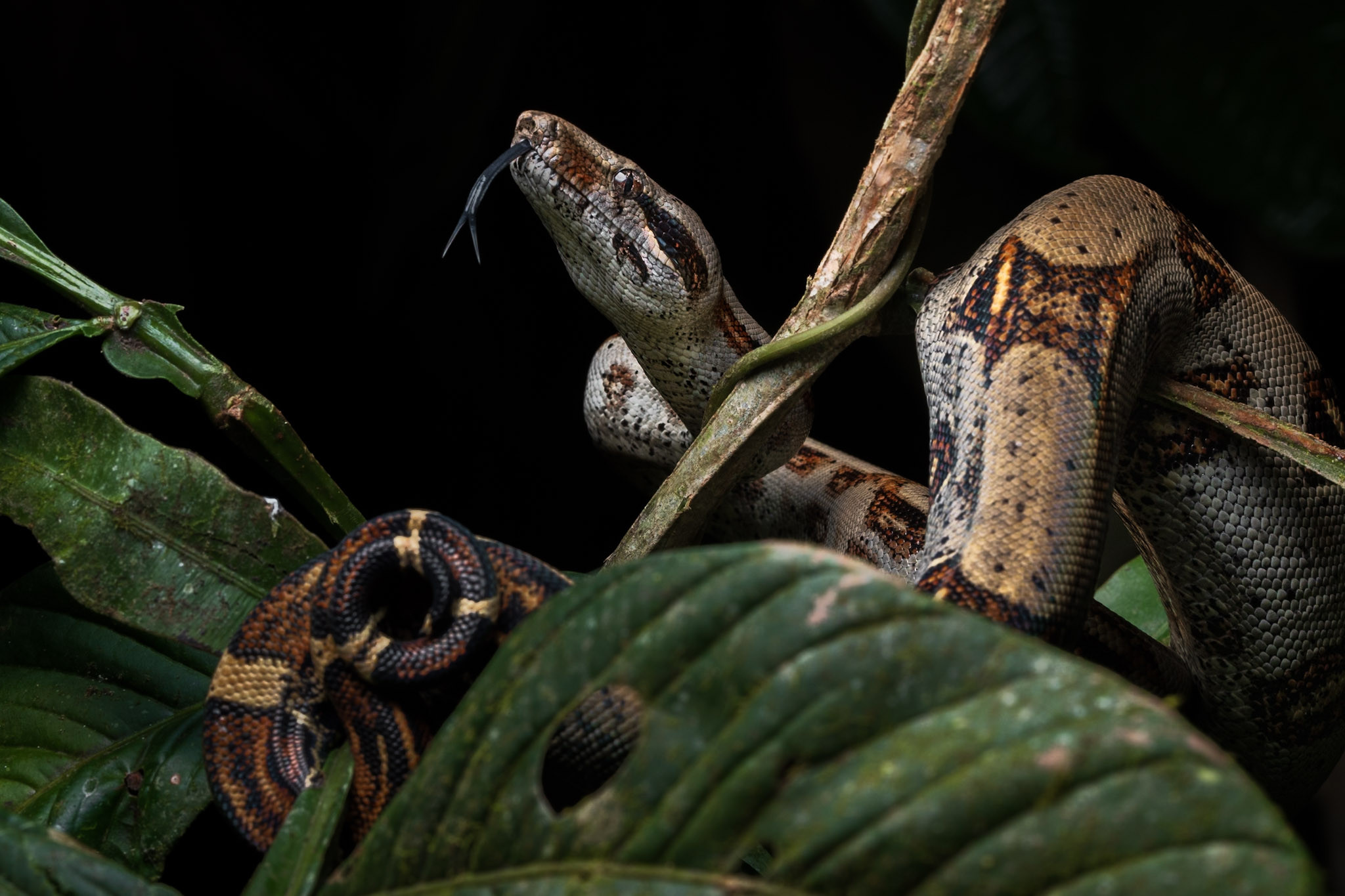
Ecuador · Chocó
The Chocó
An expedition to document the wildlife of an unexplored forest on the brink of collapse.
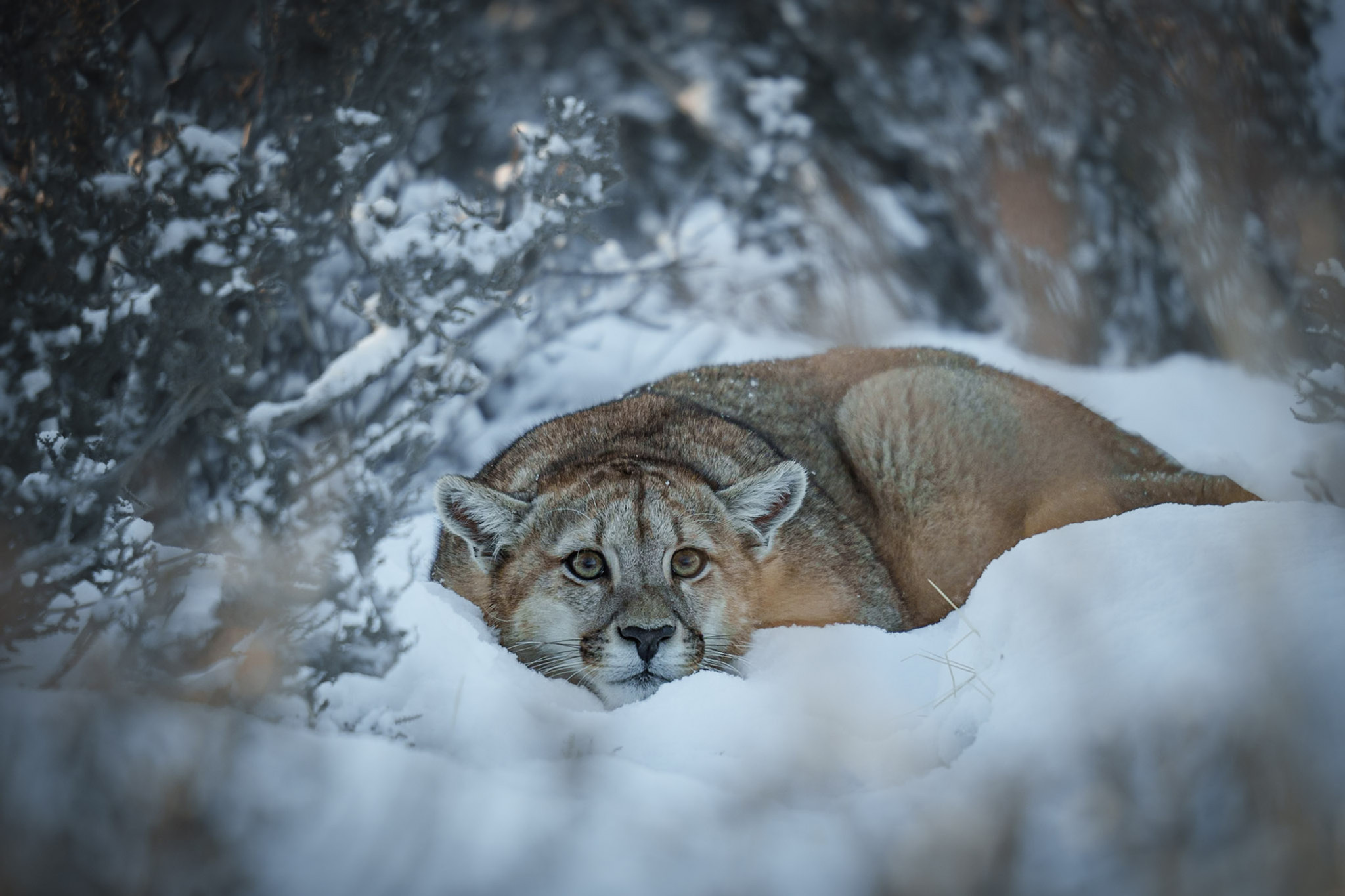
Chile · Patagonia
Patagonia
An expedition to track and photograph wild pumas in Torres del Paine.