
Rwanda · Nyamasheke District
Rwanda Eco Hive Guardians
Eco Hive Guardians — beekeeping cooperatives buffering Nyungwe National Park, turning honey into a force for forest protection.
Papers & Documents
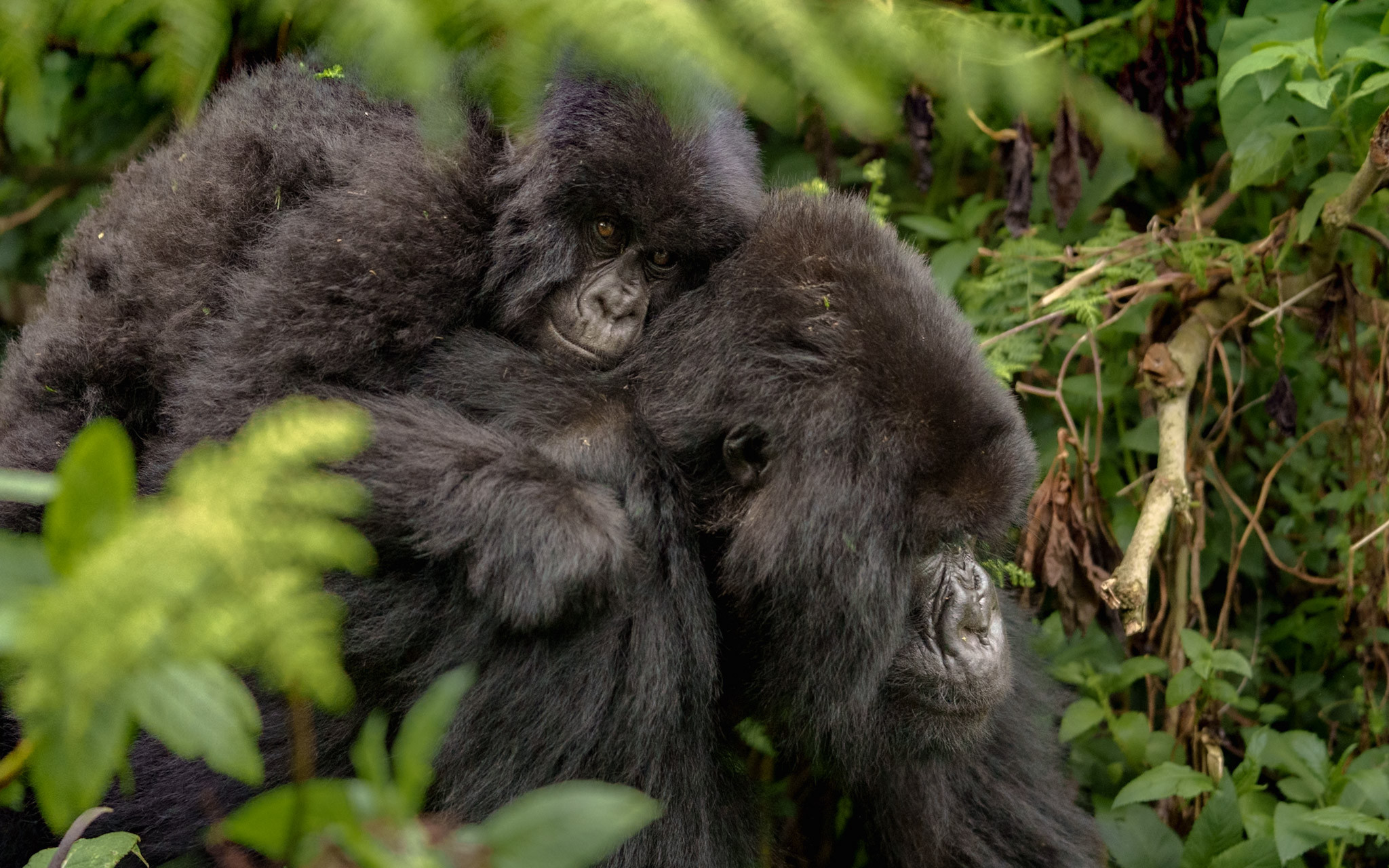
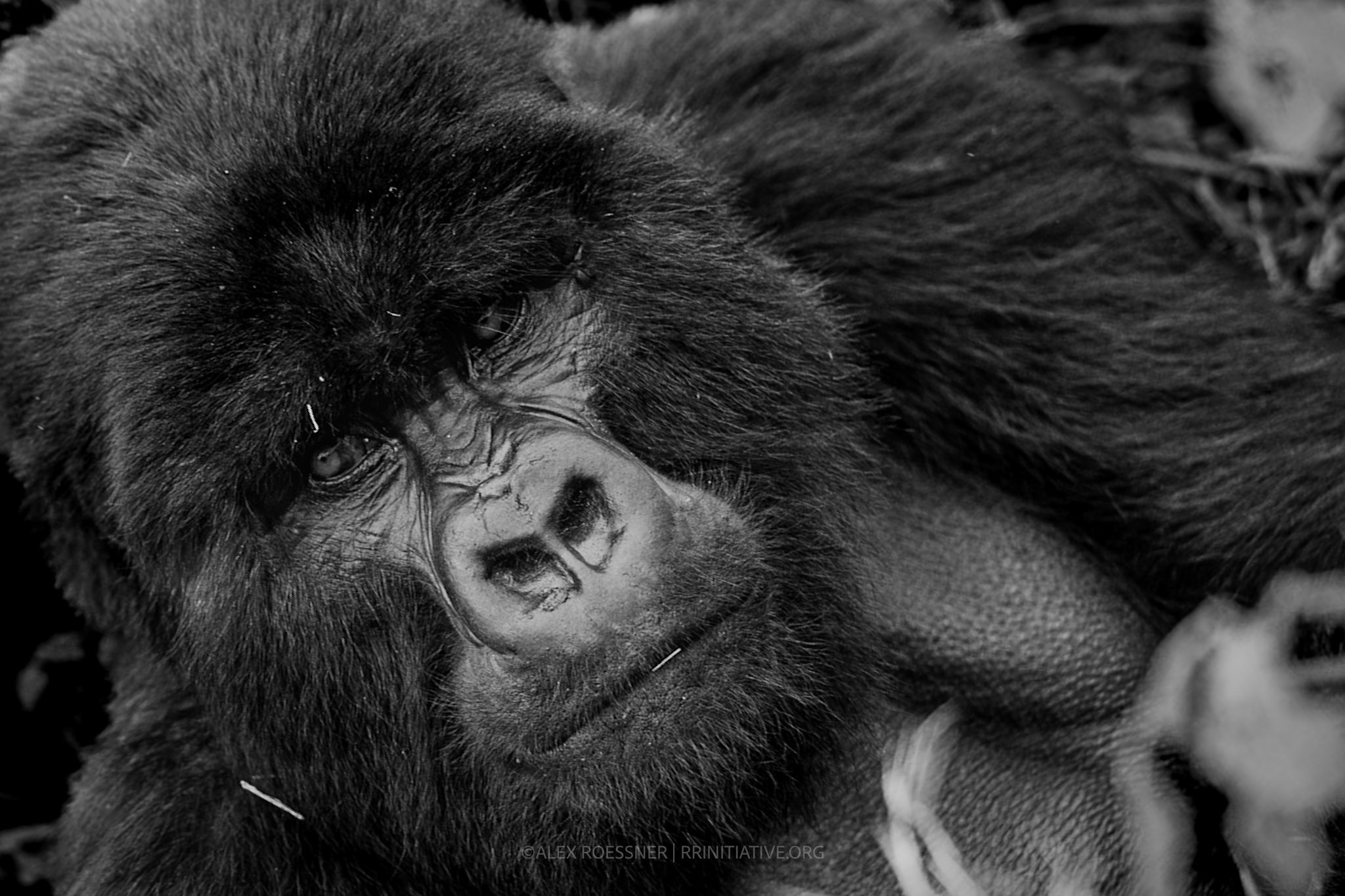
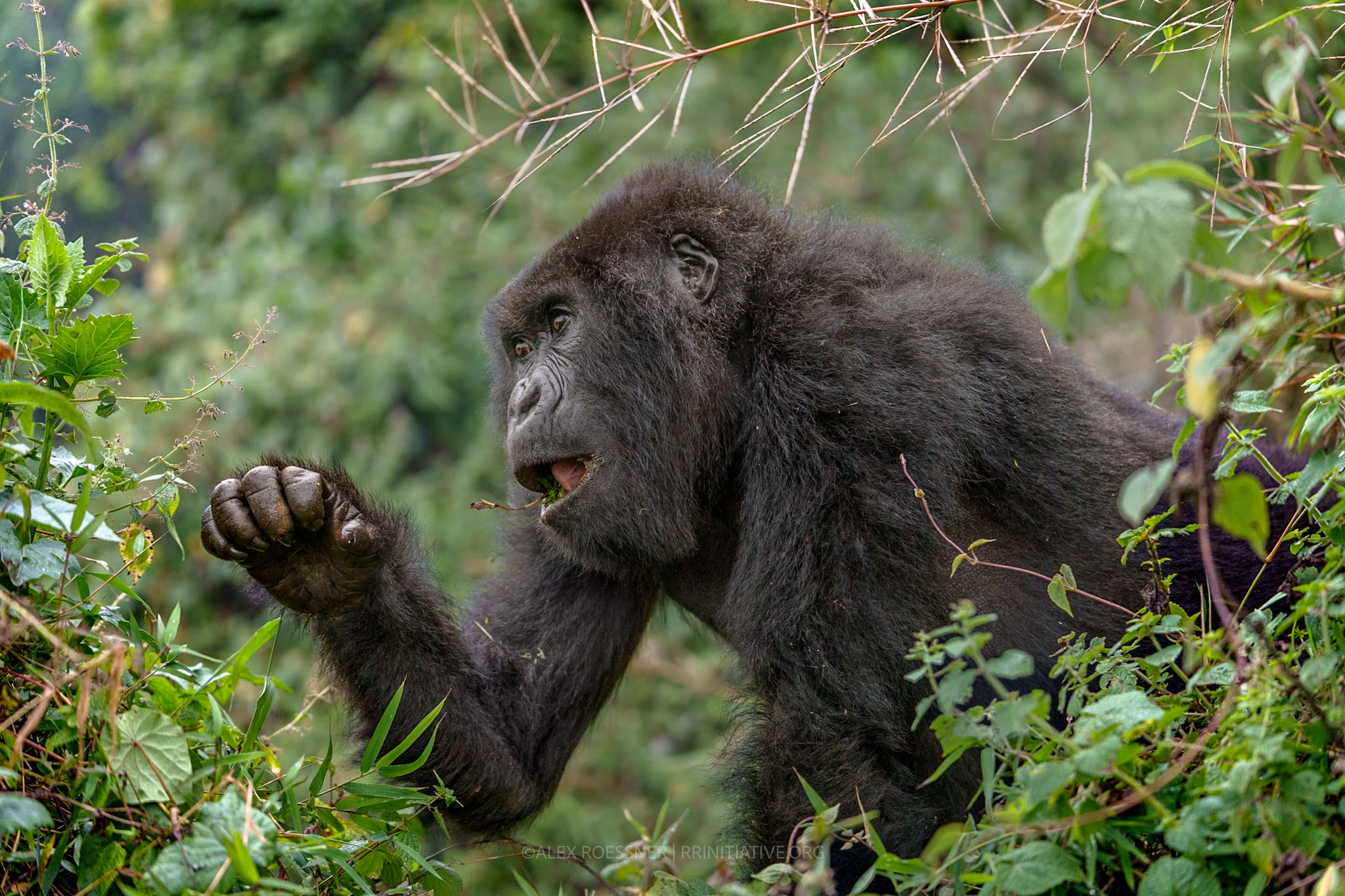
In August 2024, I traveled to the Volcanoes National Park region in northern Rwanda, where decades of dedicated work have brought mountain gorilla populations back from the edge. The recovery is real, and it's fragile. As gorilla numbers grow, the pressure on the boundary grows with them — buffer zones, food security, and rural livelihoods become the difference between a population that holds and one that retreats.
That's the context for the work that became Eco Hive Guardians. The visit to Volcanoes was where the question sharpened; the answer took shape in conversations with Daniel Ntakirutimana, a Rwandan conservationist and university student whose network of cooperatives sits at the edge of a different protected forest in the south of the country.
Eco Hive Guardians is run by Daniel and a network of beekeeping cooperatives in Nyamasheke District, on the edge of Nyungwe National Park — one of Africa's oldest rainforests and a refuge for chimpanzees, colobus monkeys, and over 300 bird species. The premise is direct: families living adjacent to Nyungwe rely on the forest for food and income, and without sustainable alternatives, their livelihoods unintentionally erode the ecosystem they depend on.
The model is beekeeping done right. Cooperatives are equipped with modern hives (Langstroth and Kenyan top-bar), protective gear, and stainless-steel honey extractors. Trainings cover hygiene standards and packaging that meets international export requirements, opening real market channels — not subsistence sales — for high-quality honey produced under tree cover.
Crucially, sixty percent of cooperative income from honey sales is reinvested into community-led conservation: reforestation around the buffer zone, anti-poaching outreach, and ecological education. The remaining forty percent stabilizes the cooperative itself, which keeps the model self-sustaining once seed funding tapers.
The project is in its first twelve months of implementation. The work follows the Eco Hive Guardians plan that Daniel authored:
- Identify and engage local beekeeping cooperatives in Nyamasheke District.
- Train cooperative members in modern, ecofriendly beekeeping, hygiene protocols, and packaging that meets food-safety and export standards.
- Equip cooperatives with hives, protective gear, honey extractors, and packaging.
- Connect honey output to domestic and international buyers.
- Direct sixty percent of cooperative income into reforestation, anti-poaching, and education at the Nyungwe buffer zone.
The end-state is straightforward: rural beekeepers — historically the people most likely to be in friction with protected forests — become the people most invested in keeping them standing.
By the numbers
- Cooperative members in scope
- Multiple coops · cooperative-led
- Tree seedlings/year (reforestation)
- 200
- Modern hives planned
- 100
- Income reinvested in conservation
- 60%
Nyungwe buffer zone
- Region
- Nyamasheke District, Rwanda
- Adjacent park
- Nyungwe National Park — one of Africa's oldest rainforests
- Project
- Eco Hive Guardians — beekeeping cooperatives
- Field partner
- Daniel Ntakirutimana · Rwandan conservationist
- Hive systems
- Langstroth · Kenyan top-bar
- 12-month budget
- ~$39,656 (cooperative + reforestation + market access)
On the ground
Locally-led. The cooperatives own the hives, the supply chain, and the conservation outcomes.
-
Daniel Ntakirutimana
Project lead · Rwandan conservationist
University student and conservationist; designed the Eco Hive Guardians plan to align cooperative livelihoods with Nyungwe protection.
-
Local cooperative members
Field implementers
Beekeepers, manual workers, and contractors based in Nyamasheke District — the cooperatives that own and operate the hives.
Field Photographs · 20 images
Silverback 2
Volcanoes NP, Rwanda
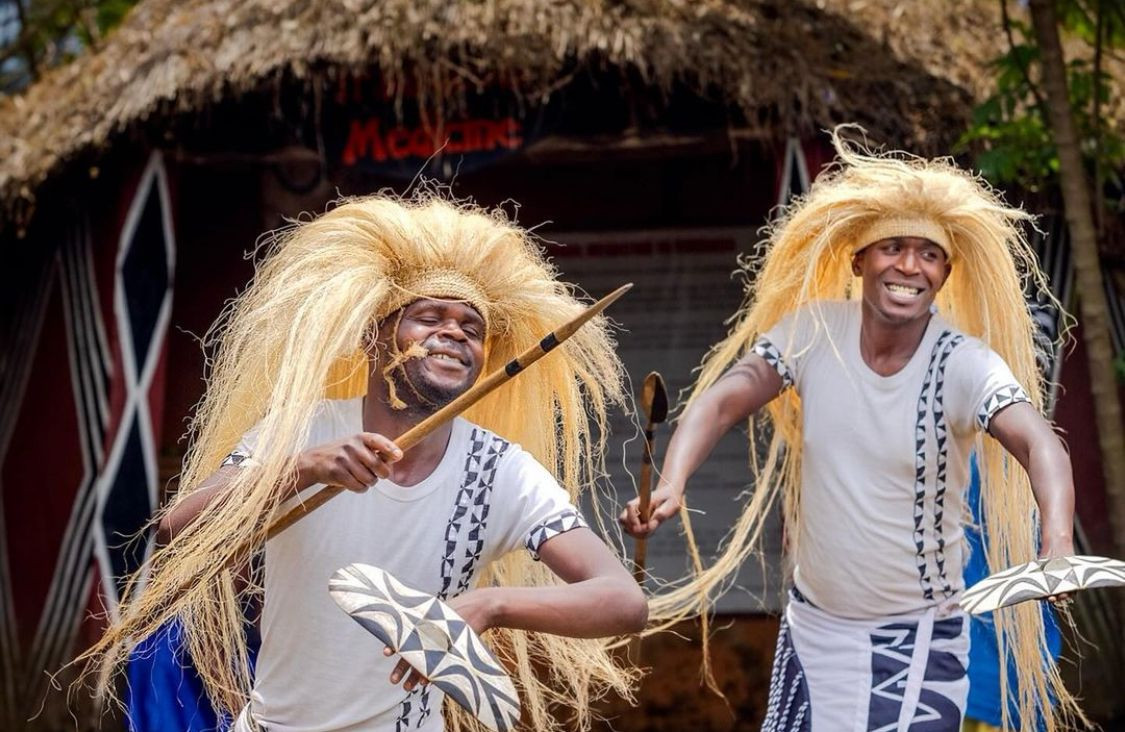 Welcome Celebration
Volcanoes NP, Rwanda
Welcome Celebration
Volcanoes NP, Rwanda
 Community Trinket #1
Volcanoes NP, Rwanda
Community Trinket #1
Volcanoes NP, Rwanda
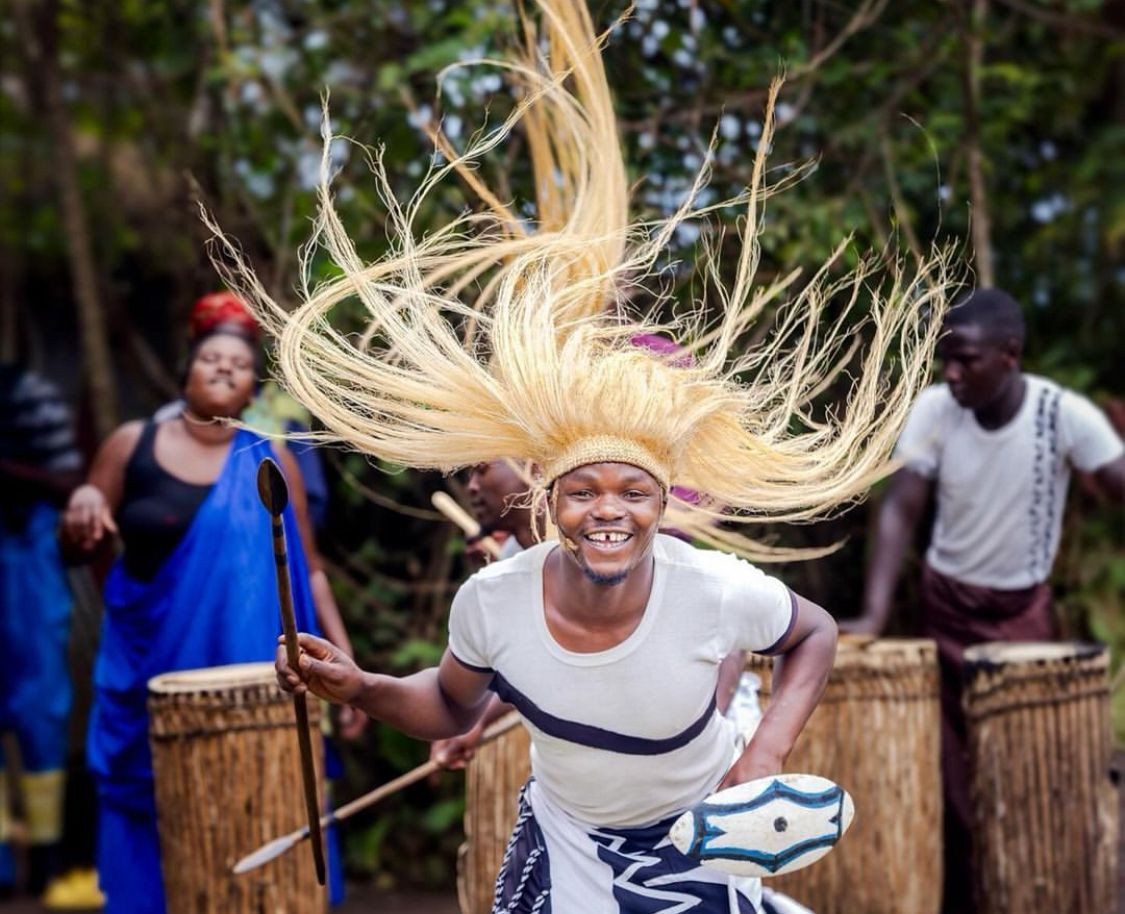 Welcome Dance
Volcanoes NP, Rwanda
Welcome Dance
Volcanoes NP, Rwanda
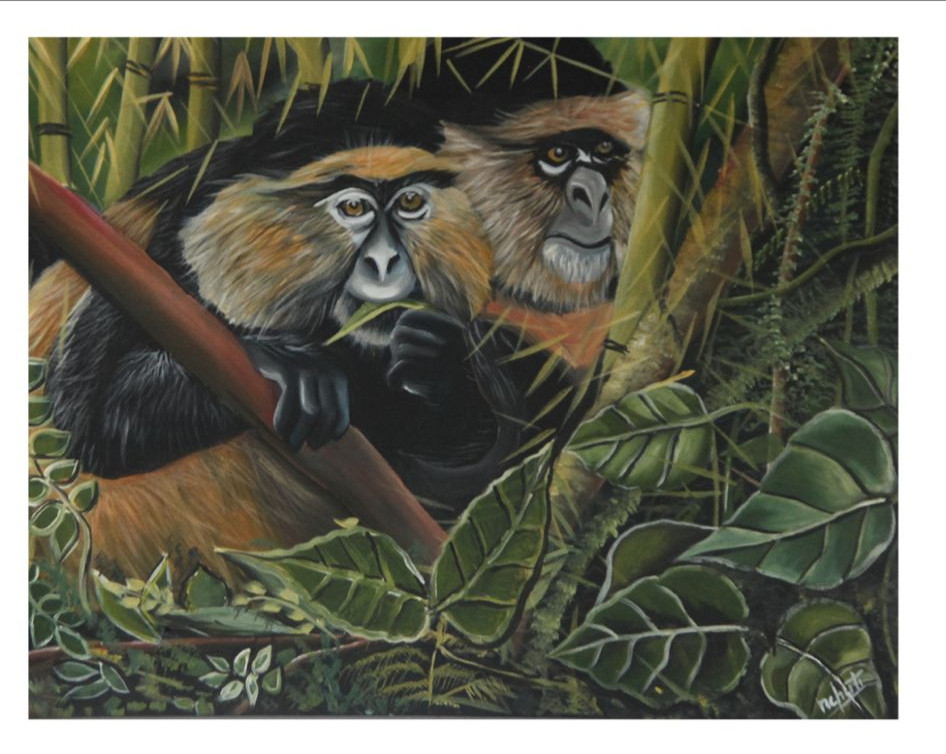 Community Painting #2
Volcanoes NP, Rwanda
Community Painting #2
Volcanoes NP, Rwanda
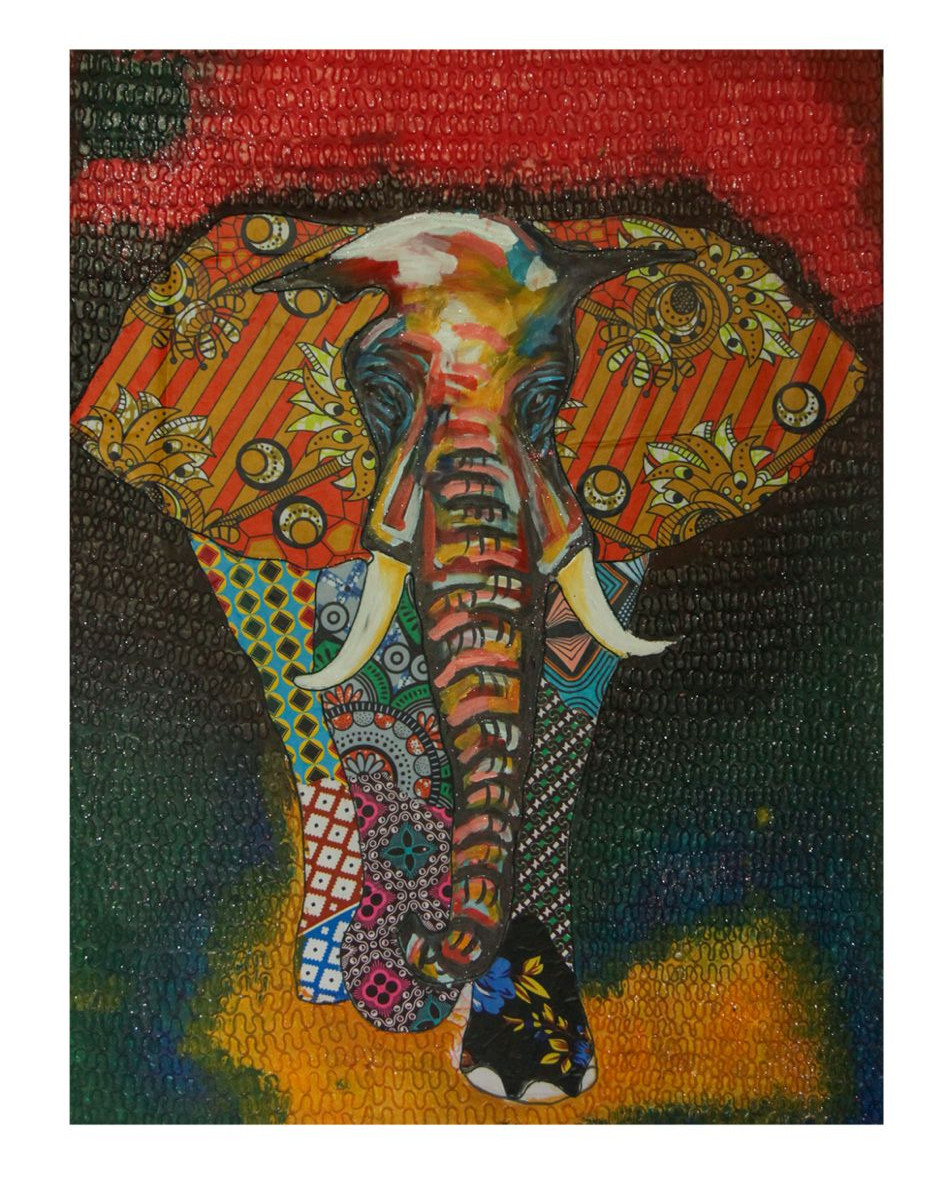 Community Painting #1
Volcanoes NP, Rwanda
Community Painting #1
Volcanoes NP, Rwanda
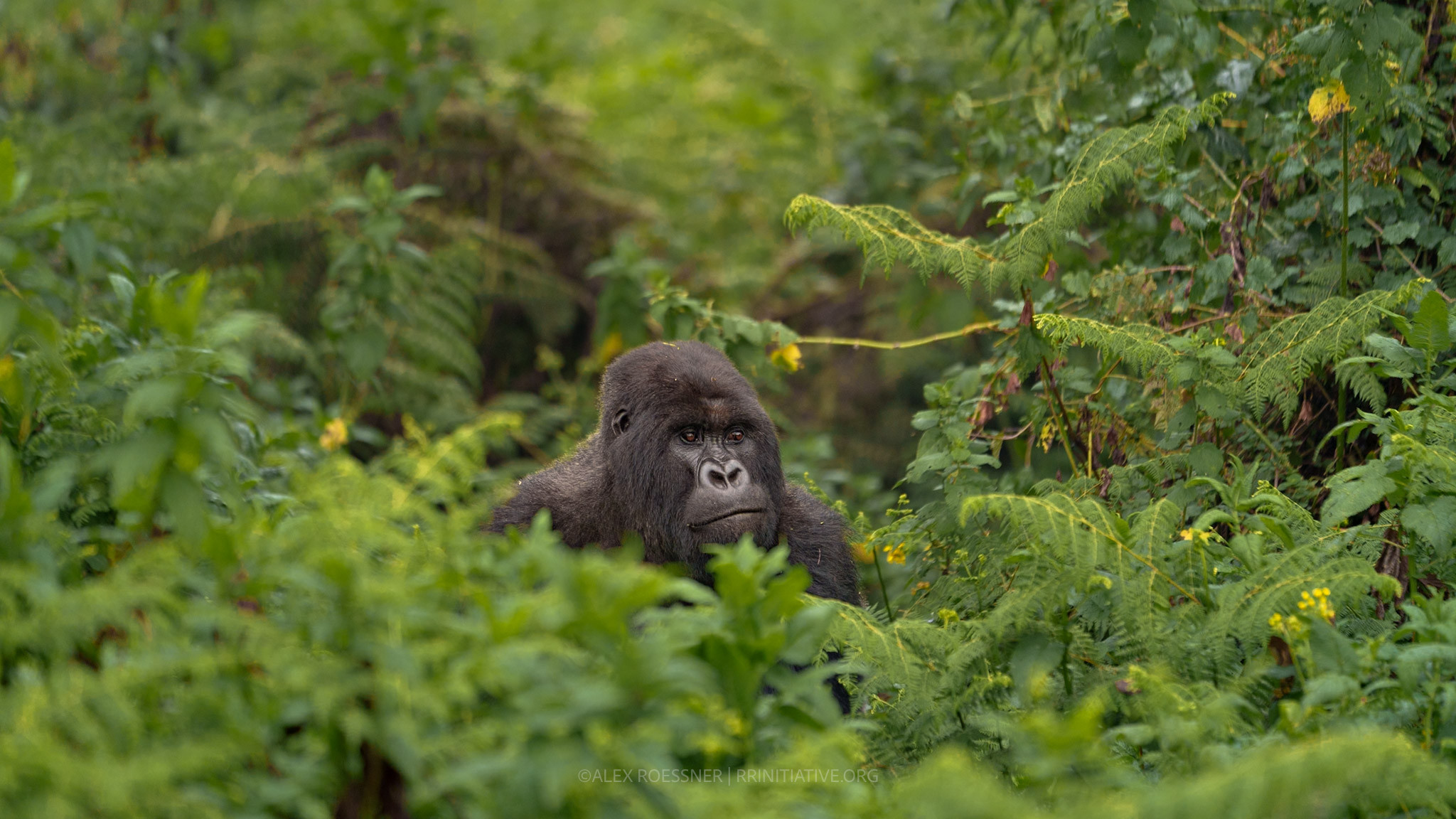 Layers of Green
Volcanoes NP, Rwanda
Layers of Green
Volcanoes NP, Rwanda
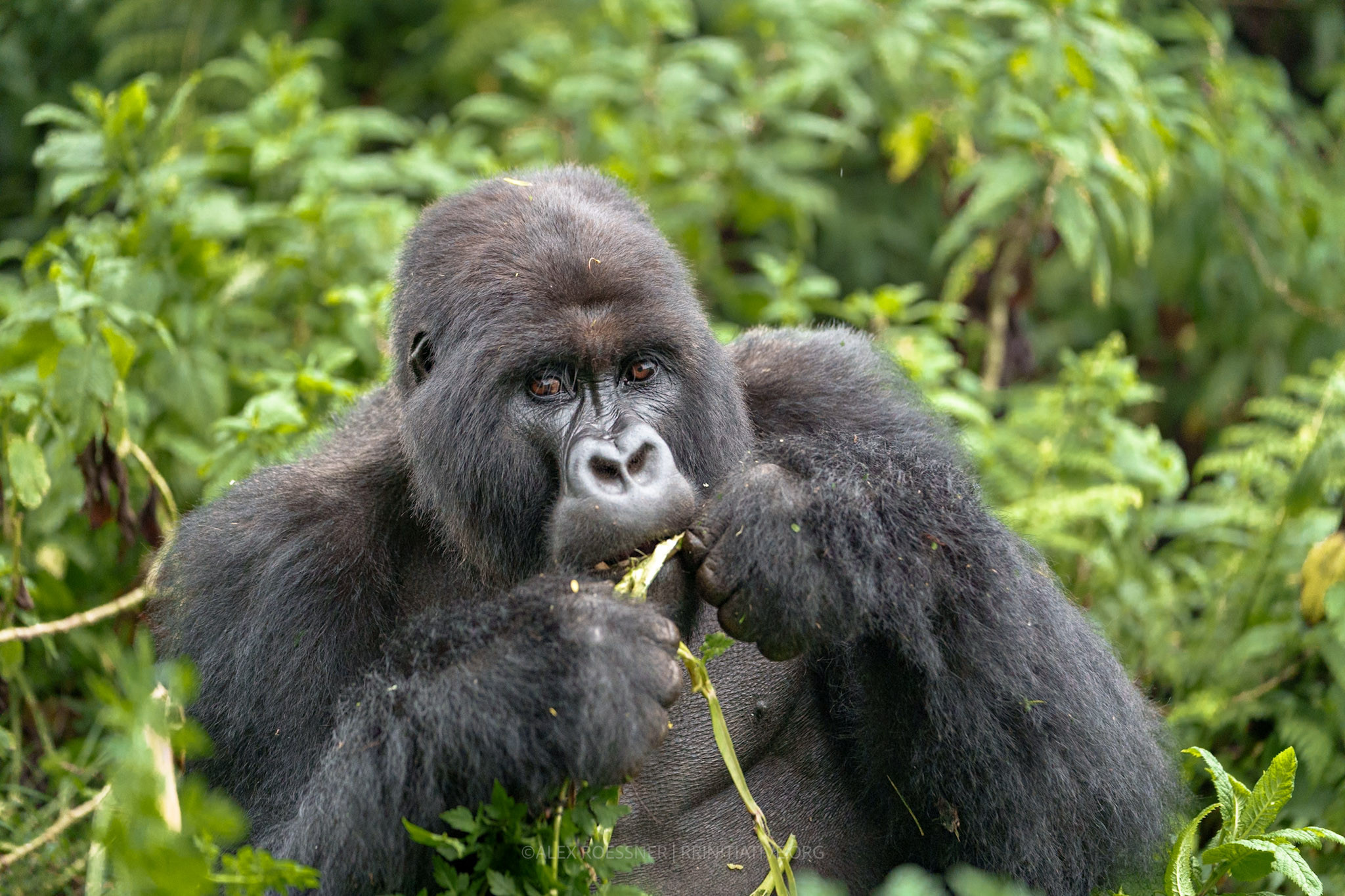 Crunch
Volcanoes NP, Rwanda
Crunch
Volcanoes NP, Rwanda
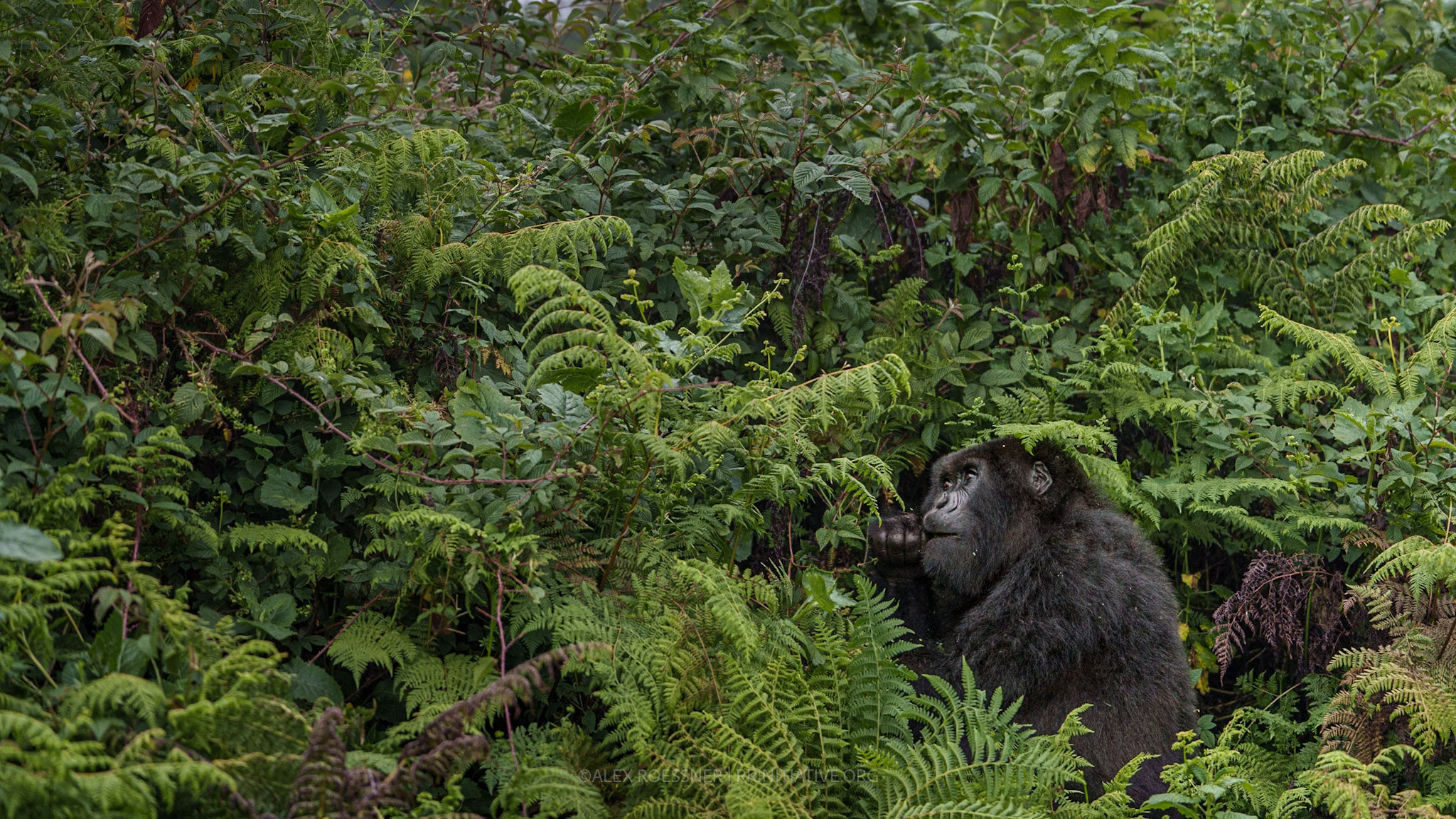 Deep in Dinner
Volcanoes NP, Rwanda
Deep in Dinner
Volcanoes NP, Rwanda
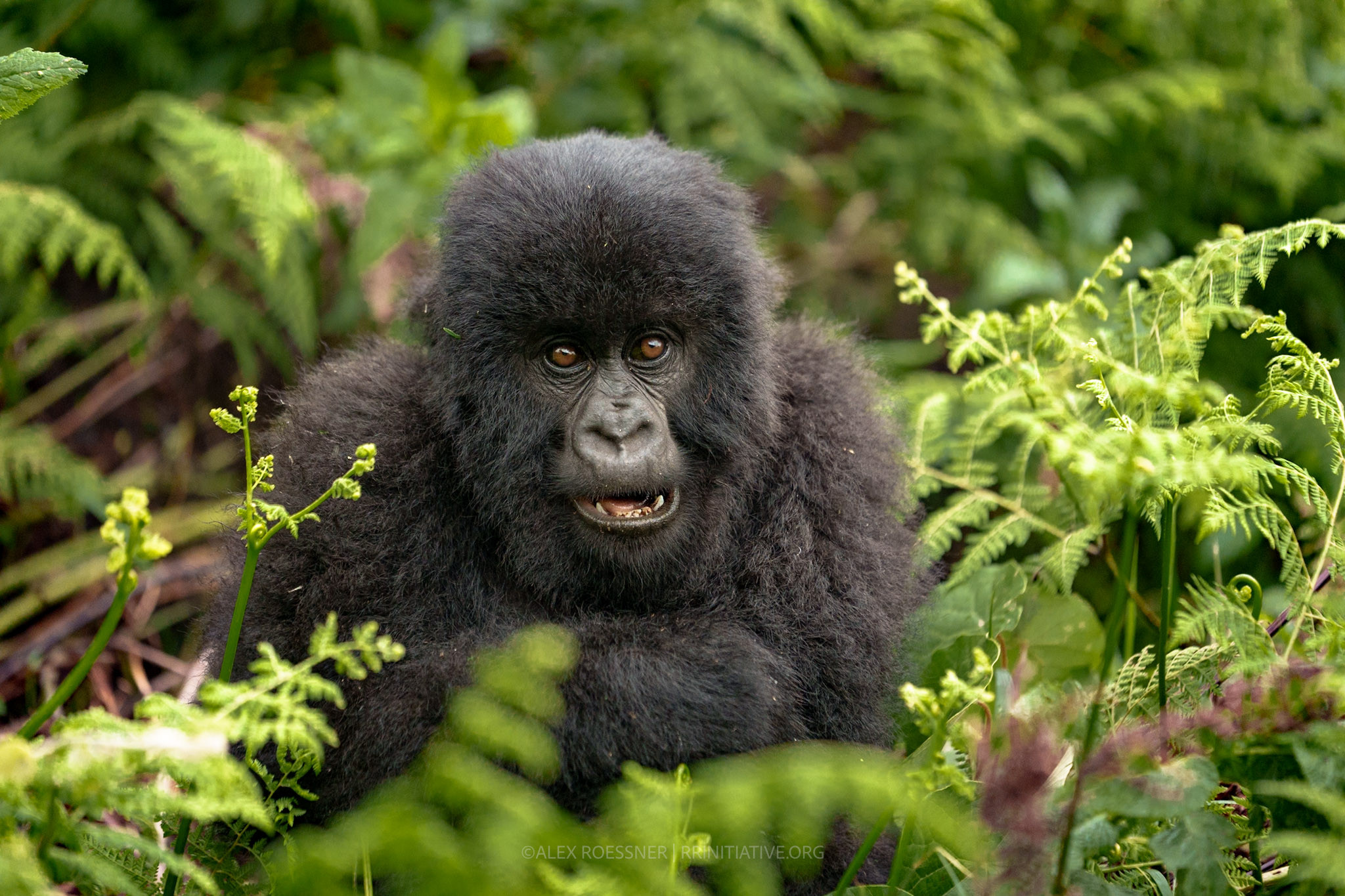 Mountain Baby
Volcanoes NP, Rwanda
Snack Time
Volcanoes NP, Rwanda
Mountain Baby
Volcanoes NP, Rwanda
Snack Time
Volcanoes NP, Rwanda
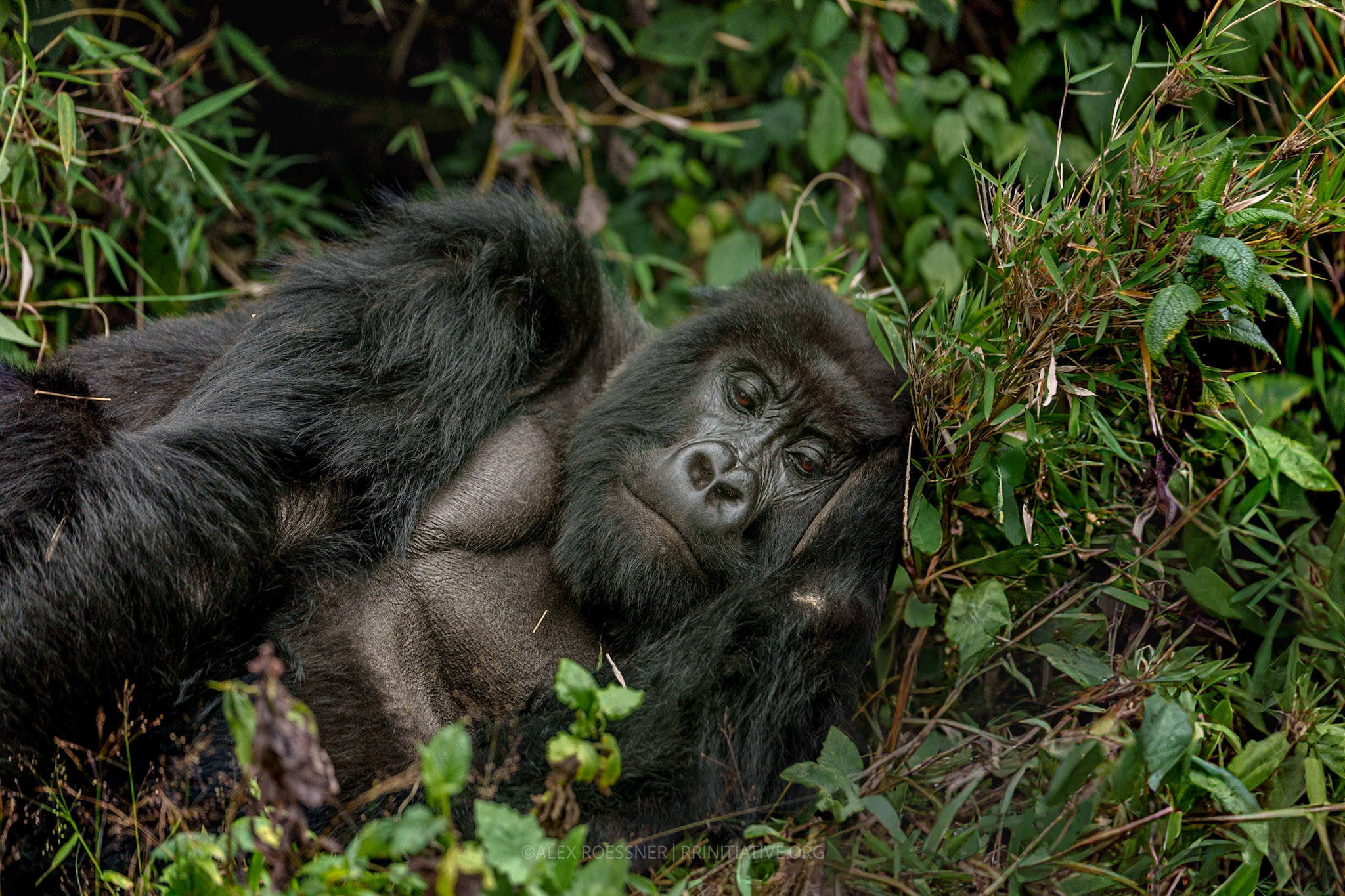 Nap Time
Volcanoes NP, Rwanda
Nap Time
Volcanoes NP, Rwanda
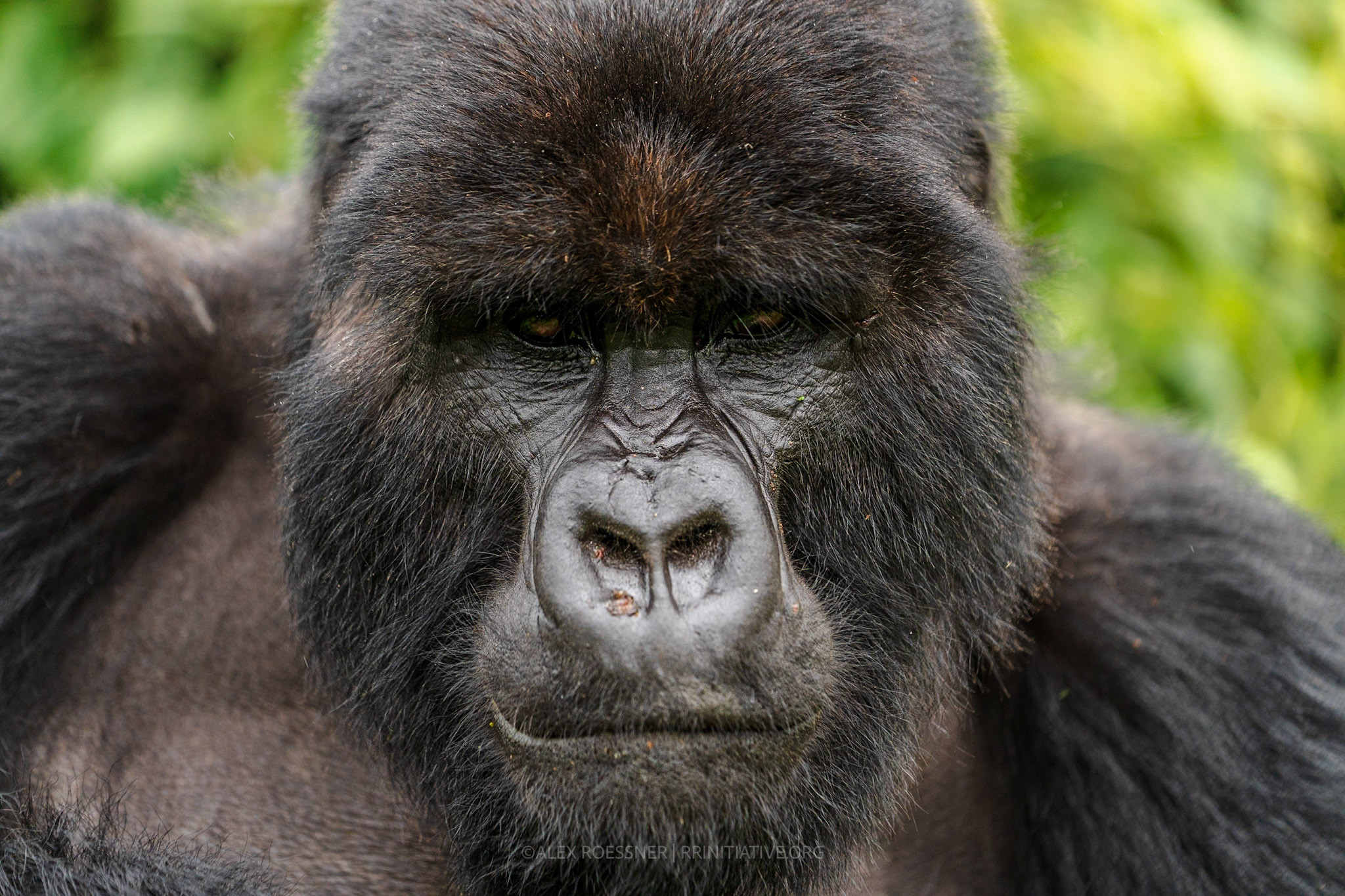 Silverback
Volcanoes NP, Rwanda
Silverback
Volcanoes NP, Rwanda
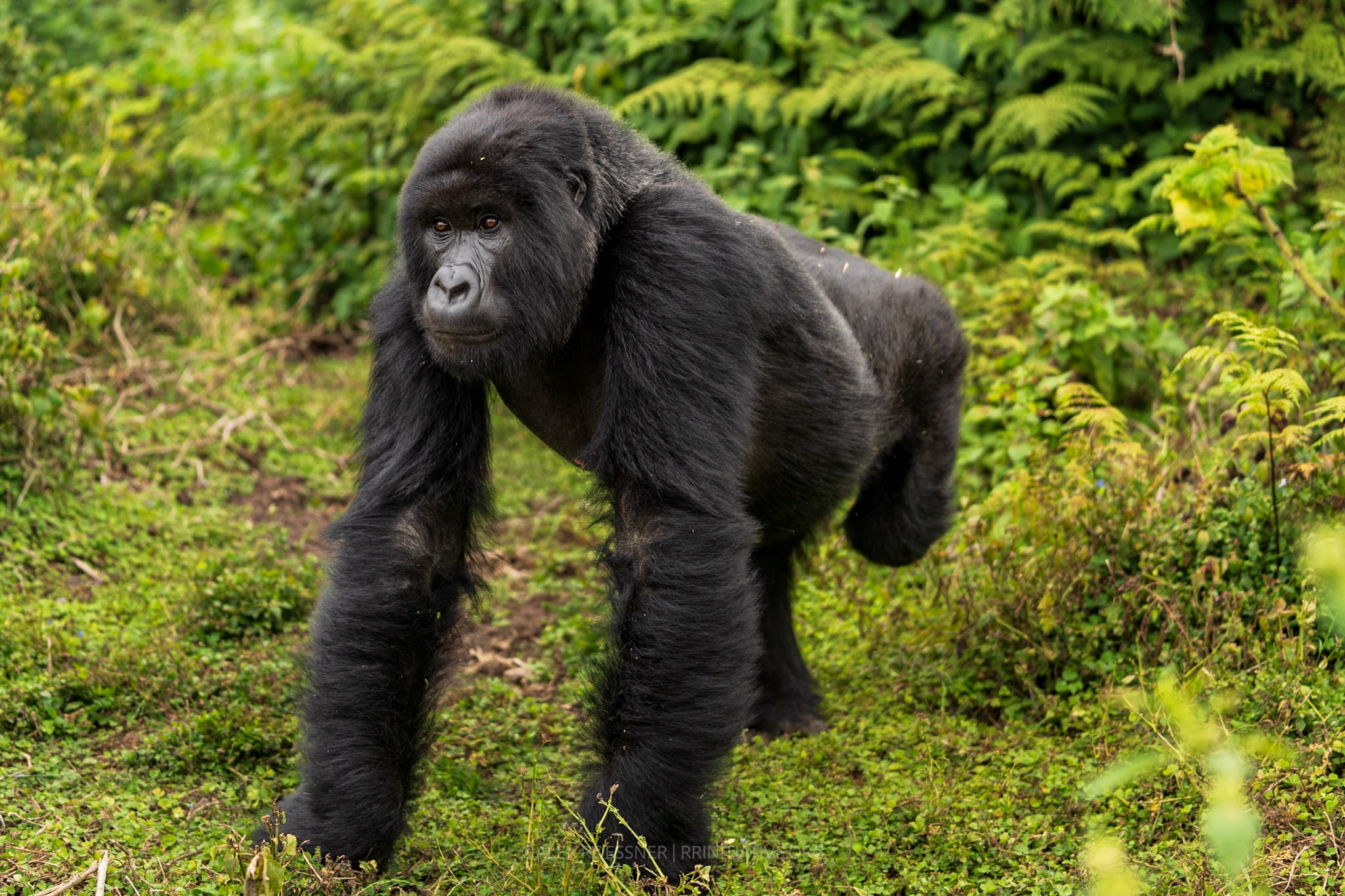 Resilience
Volcanoes NP, Rwanda
Resilience
Volcanoes NP, Rwanda
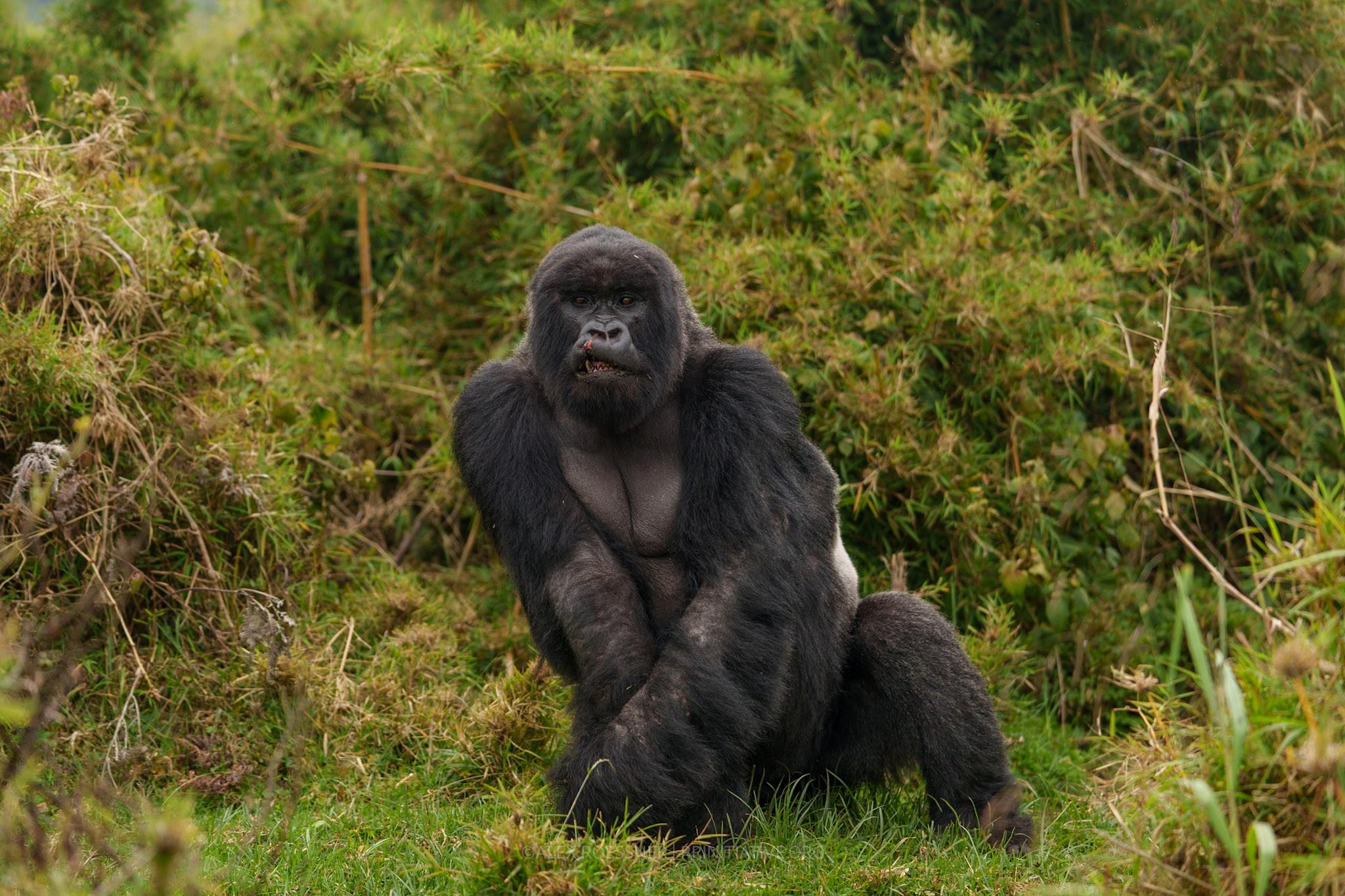 Snarl
Volcanoes NP, Rwanda
Snarl
Volcanoes NP, Rwanda
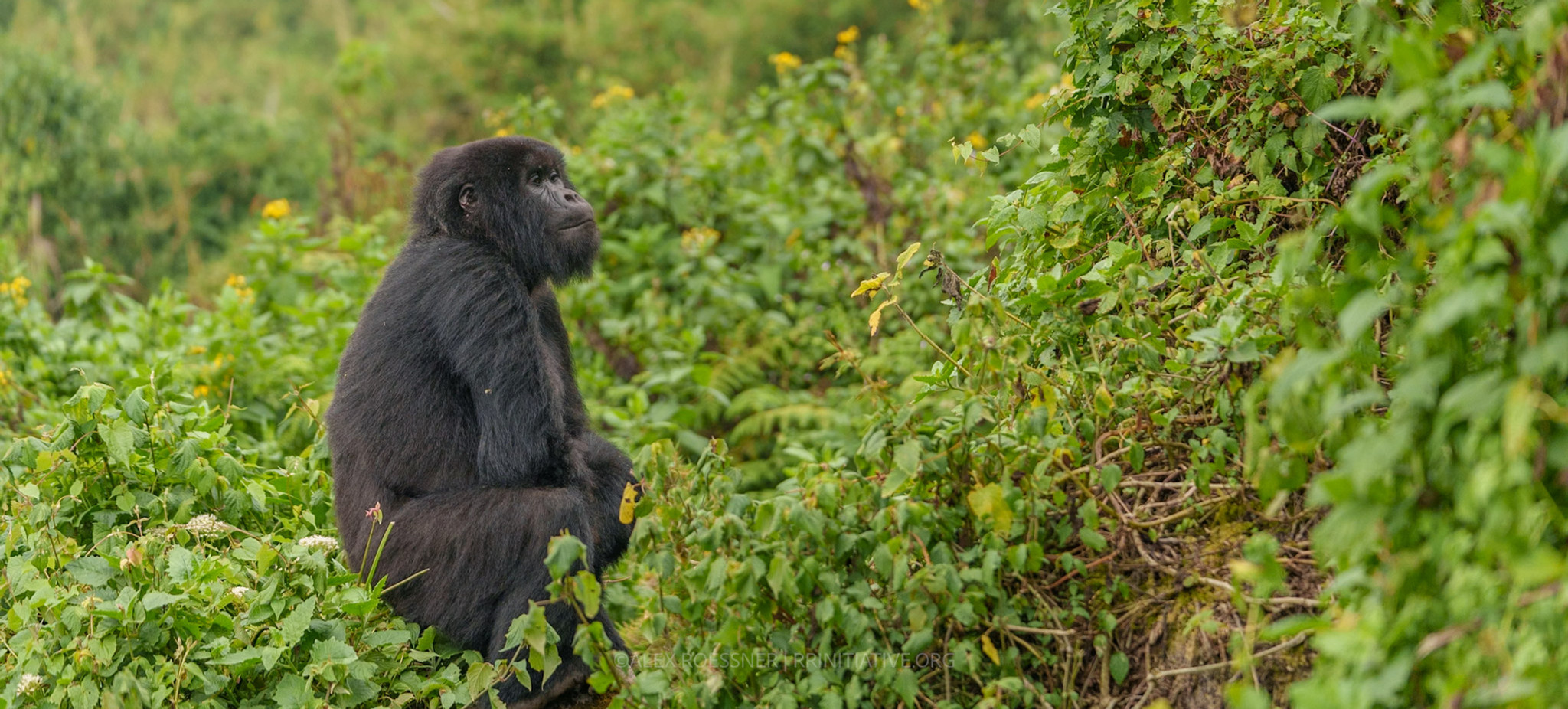 Thinker
Volcanoes NP, Rwanda
Thinker
Volcanoes NP, Rwanda
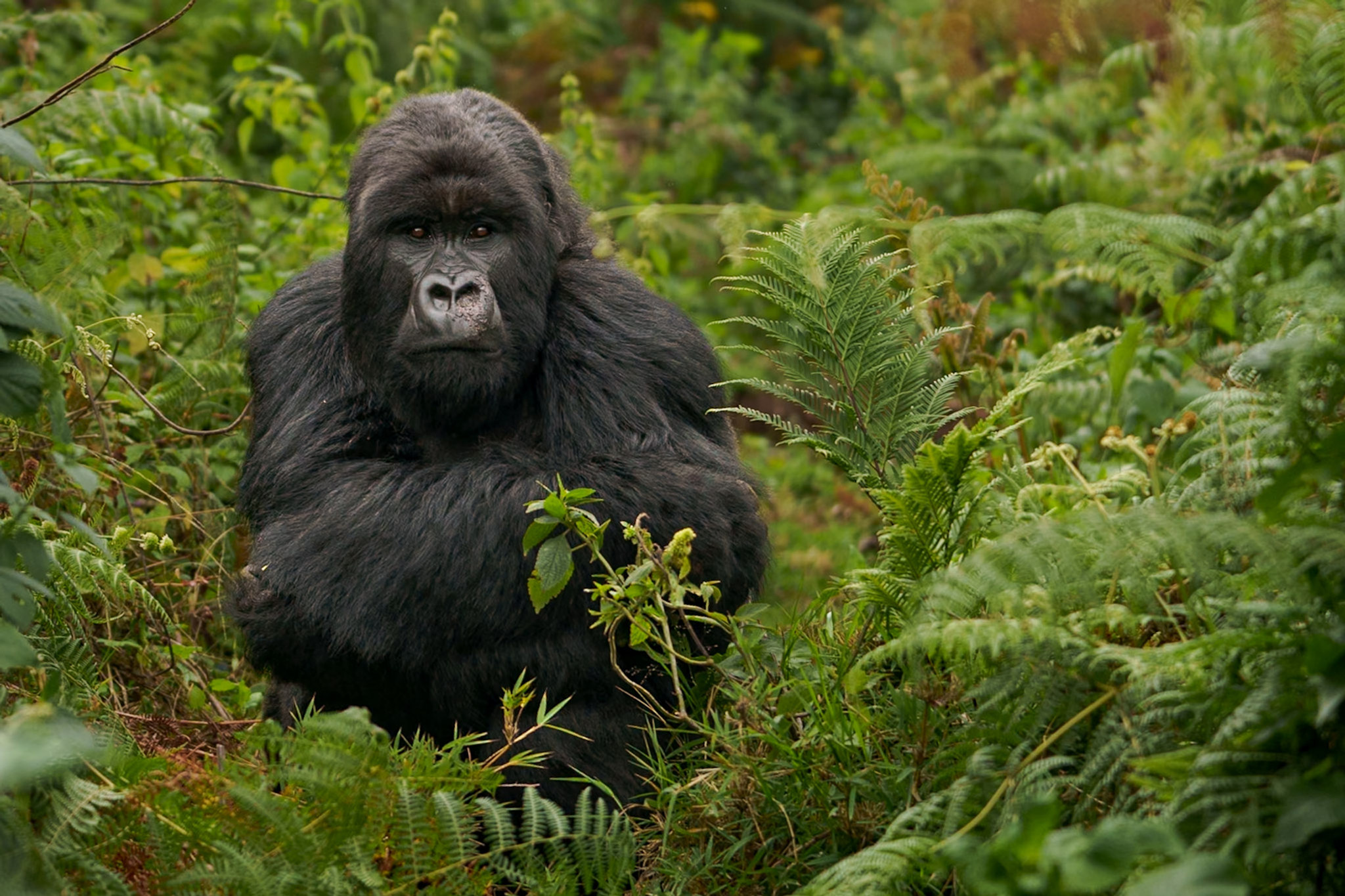 Stoicism
Volcanoes NP, Rwanda
Stoicism
Volcanoes NP, Rwanda
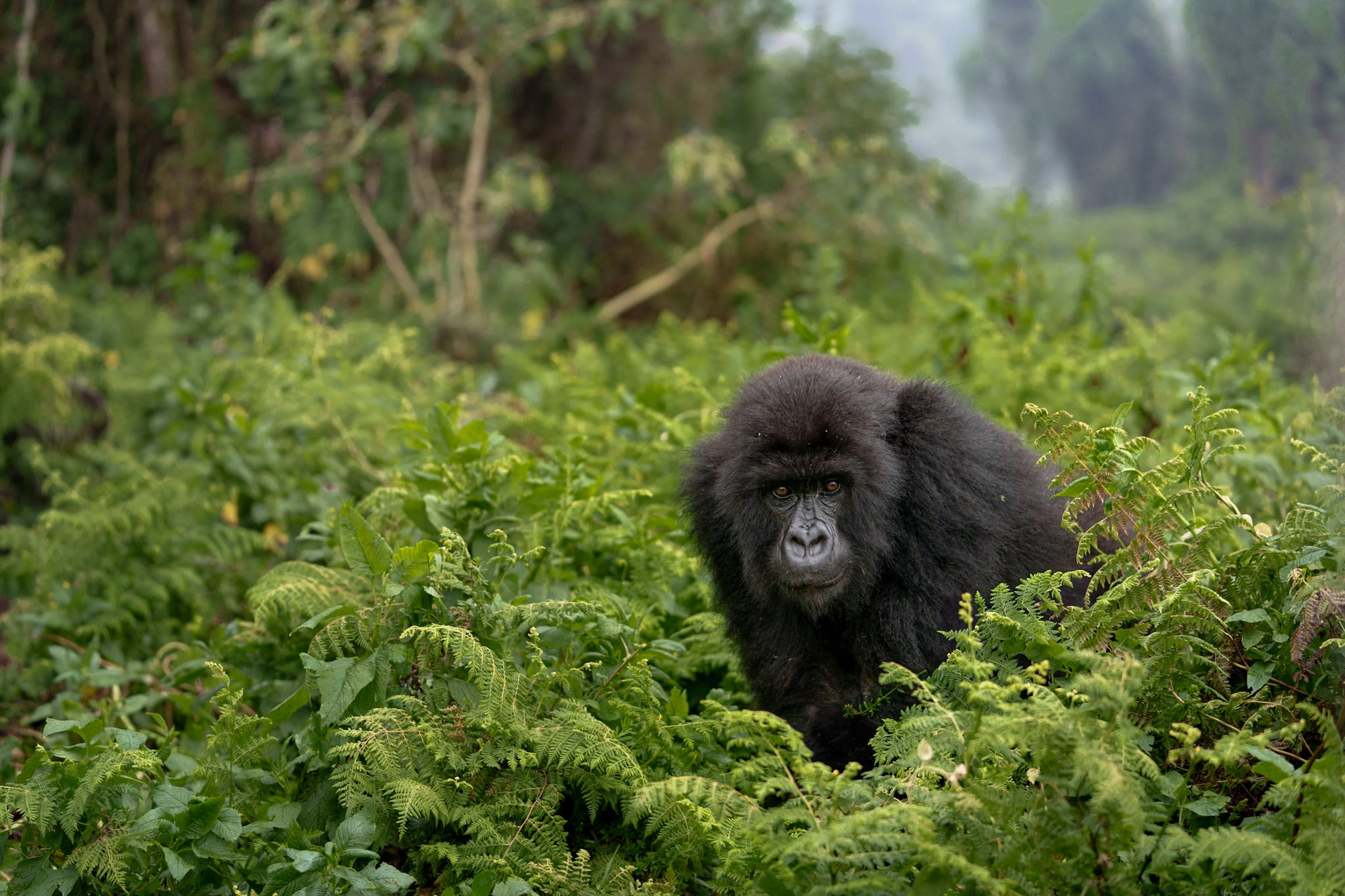 Locked Eyes
Volcanoes NP, Rwanda
Locked Eyes
Volcanoes NP, Rwanda
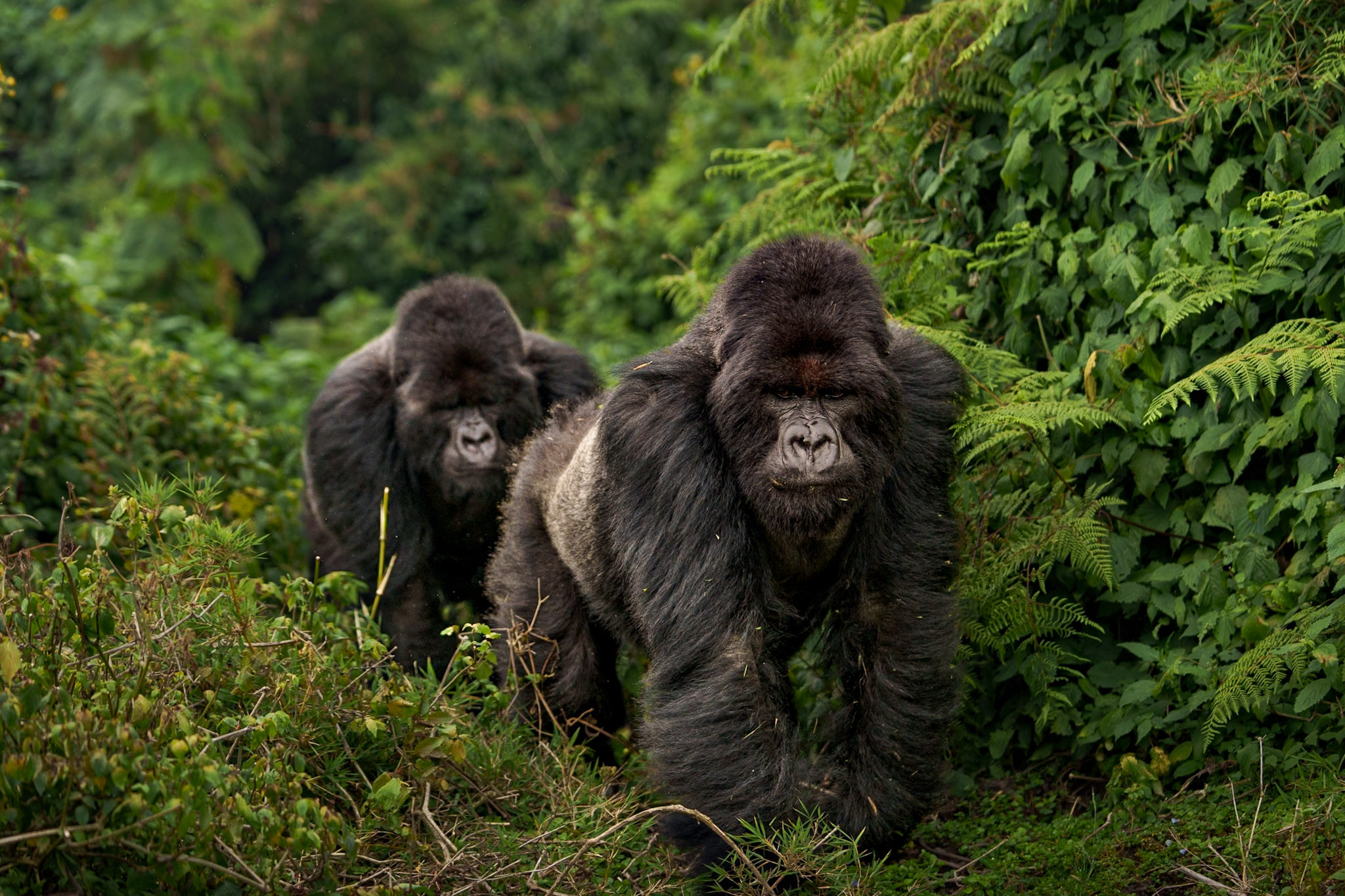 Seeing Double
Volcanoes NP, Rwanda
Baby Backpack
Volcanoes NP, Rwanda
Seeing Double
Volcanoes NP, Rwanda
Baby Backpack
Volcanoes NP, Rwanda
Other projects
Indonesia · Sumatra
Sumatra
Protecting the last stronghold of wild tigers, rhinos, elephants, and orangutans — through community-led conservation science and regenerative economic systems.
Madagascar
Madagascar
An expedition to a forgotten forest where a grassroots model is stopping deforestation — and saving a species on the brink.
Ecuador · Chocó
The Chocó
An expedition to document the wildlife of an unexplored forest on the brink of collapse.